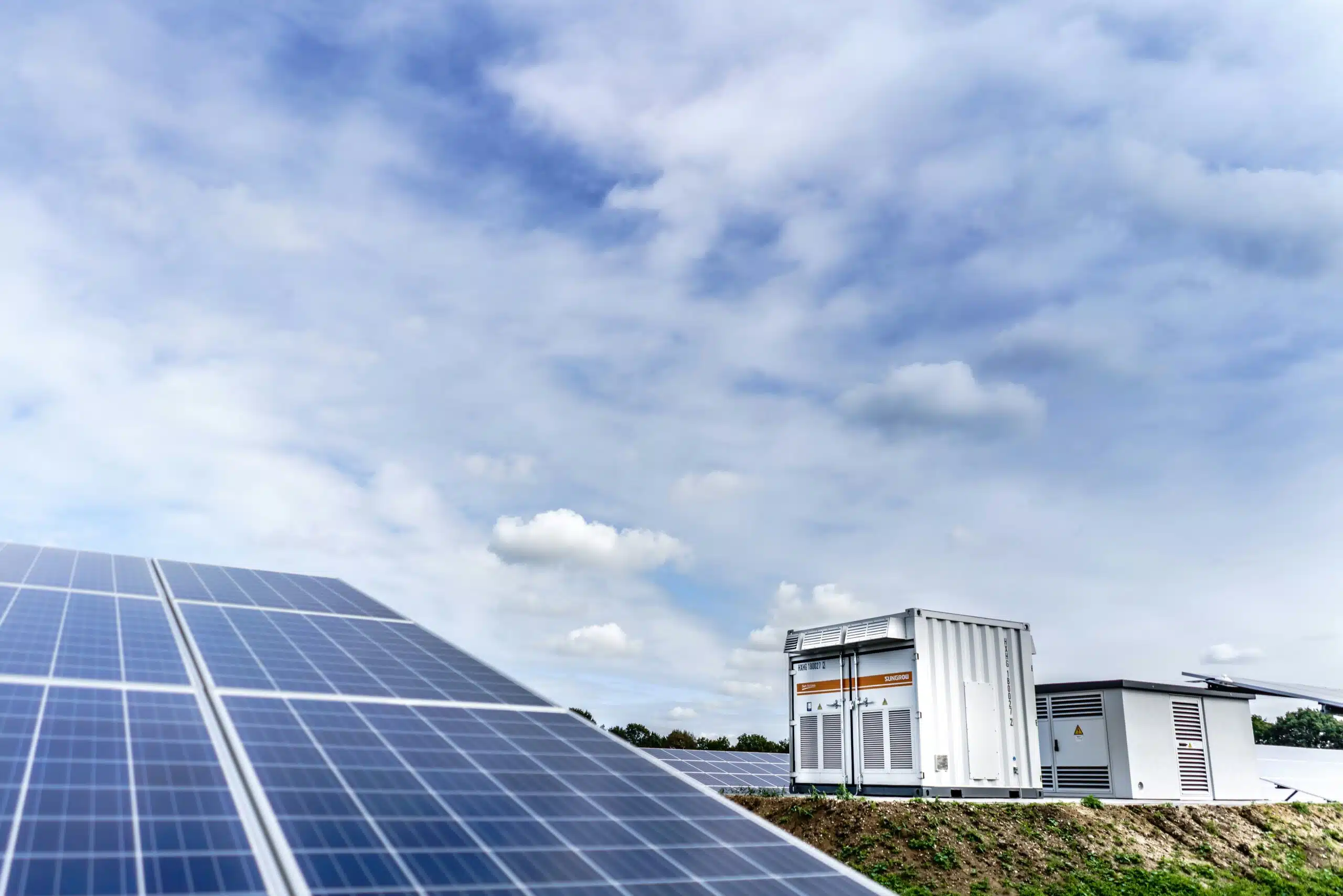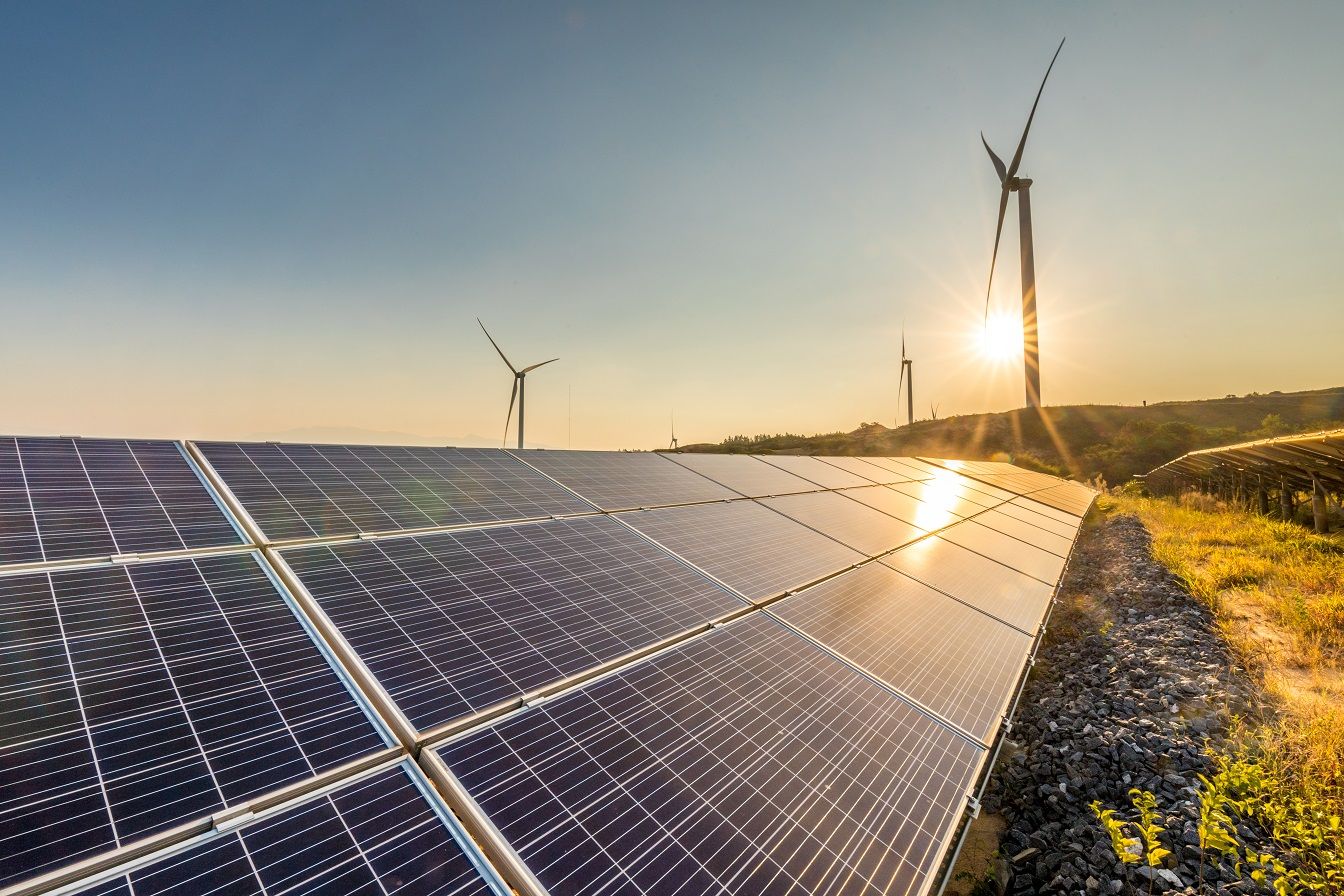

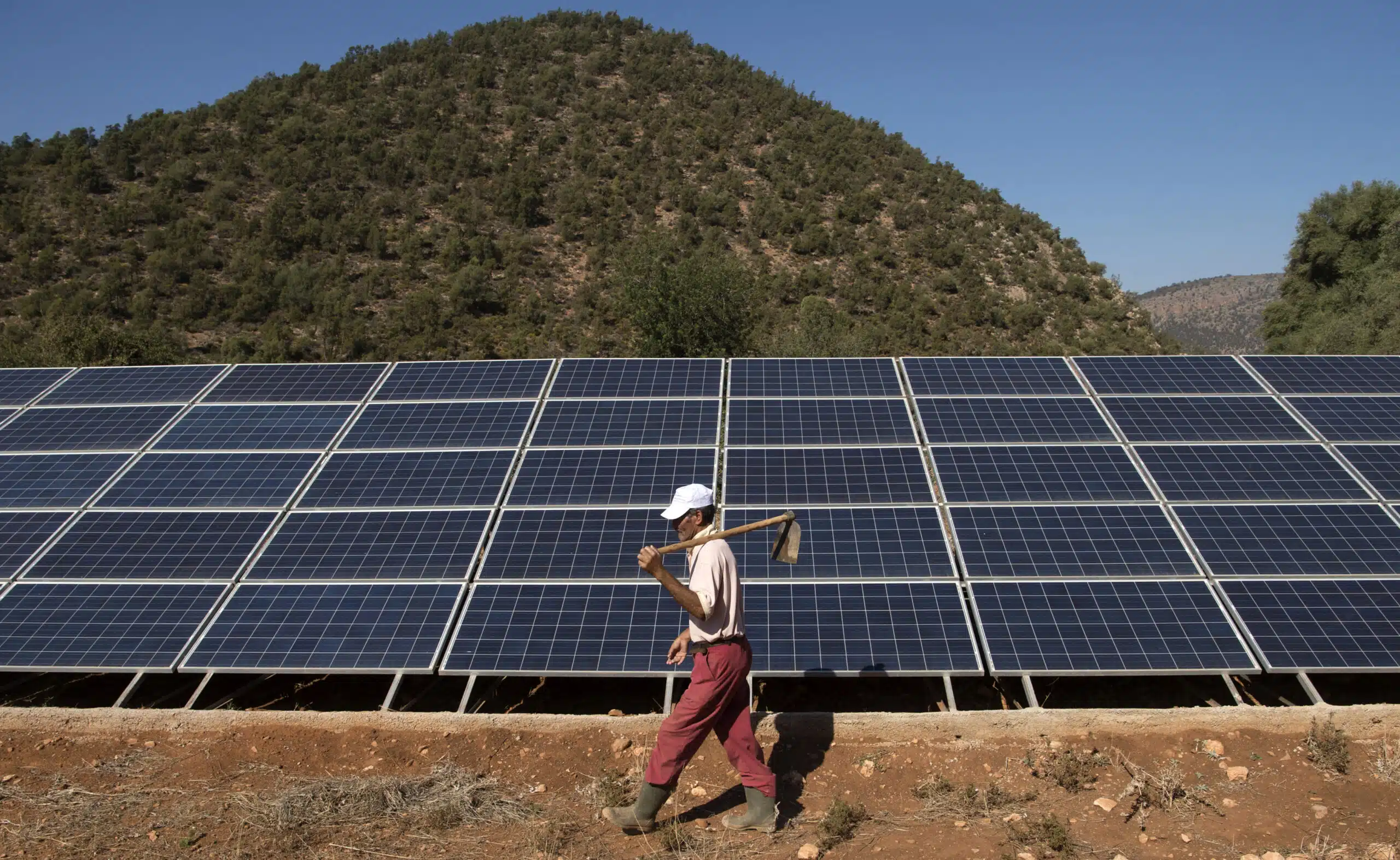


The government of Botswana has signed a 30-year power purchase agreement (PPA) for the development of a 500 megawatts (MW) solar photovoltaic plant with 500MWh battery storage in Maun, representing the country’s largest renewable energy project.
The deal was formalised during a groundbreaking ceremony attended by Duma Boko, the nation’s president, on Thursday.
Boko noted that the project signals a shift from policy planning to implementation in the country’s energy sector .
The Maun plant, developed through a government-to-government partnership with Oman, is expected to supply electricity to the national grid while storing excess power for peak demand periods.
Botswana’s electricity supply has long depended on imports, particularly from neighbouring countries, due to constraints in domestic generation.
According to industry data, imports have historically accounted for a significant share of supply, largely due to challenges at coal-fired plants such as Morupule B.
President Boko, speaking at the event, said the project is part of efforts to address these gaps.
“This project marks our transition from planning to execution. It is about securing Botswana’s energy future and reducing our dependence on imported electricity,” he said.
Meanwhile, the government noted that the addition of battery storage will allow the system to store solar energy generated during the day and deploy it during high-demand periods, particularly in the evening.
Project to target grid stability
Botswana has set a target to increase the share of renewables in its energy mix from about 8% to 50% by 2030.
The initiative is expected to contribute significantly toward that goal, particularly with the integration of battery storage, which remains limited across many existing projects in the region.
The government stated that storage systems can help address intermittency challenges associated with solar power, improving grid reliability.
It added that the project is also expected to support industrial expansion by improving electricity availability and stability.
Similar solar projects in Botswana
The Maun solar project follows several years of planning and smaller renewable energy initiatives across Botswana.
These projects such as the Selebi-Phikwe, Palapye, and Mmadinare solar plants have been at different stages of development, forming part of a broader pipeline aimed at increasing generation capacity.
Maun had previously been identified for solar development due to its high solar irradiation levels and proximity to growing demand centres in the northern part of the country.
Government officials said the 500MW capacity is expected to make a measurable contribution to domestic supply once operational, easing pressure on imports and supporting demand from industry and households.
Botswana’s power sector has generation shortfalls and relies on imports from the Southern African Power Pool.
However, aging infrastructure and maintenance issues have reduced output in recent years.
Solar energy has been identified as a key alternative due to the country’s high irradiation levels, with multiple projects initiated to diversify the energy mix.
The Maun solar plant will be one of the largest planned installations in Botswana to date which include battery storage facilities.