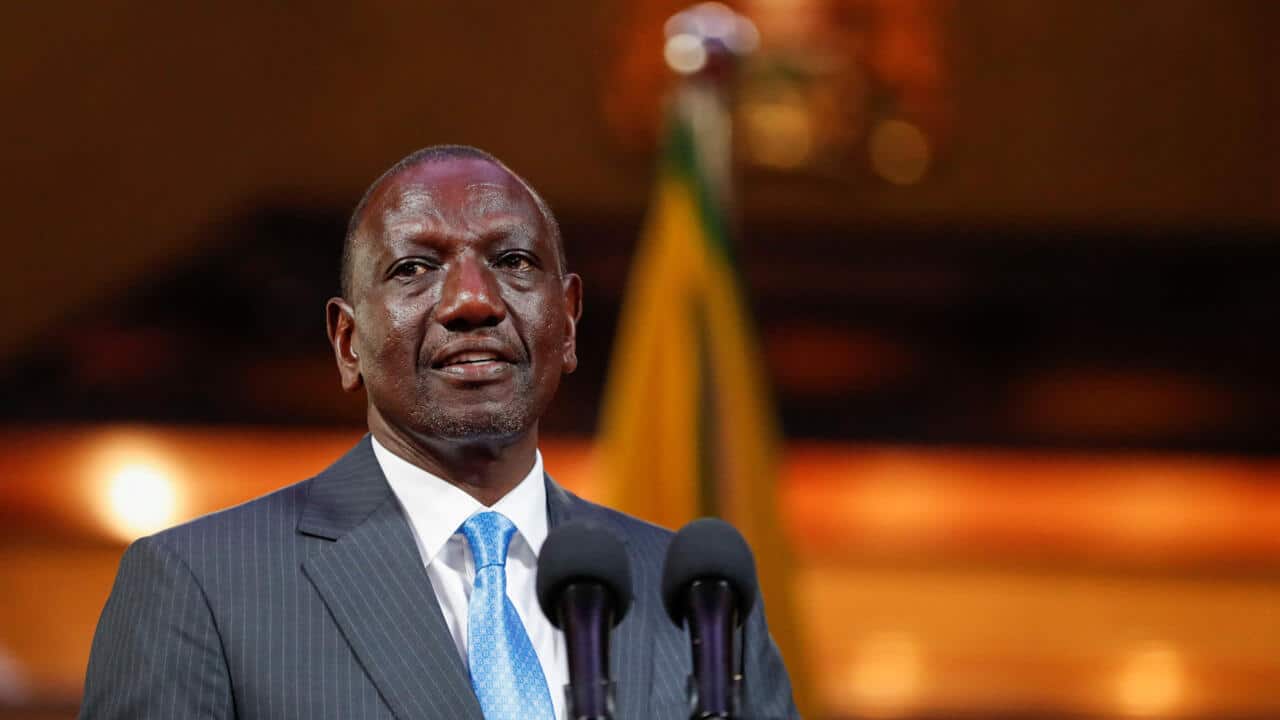



President William Ruto has announced plans to secure long-term gas imports from Mozambique, as Kenya seeks to stabilise energy supply and reduce reliance on imports from the Middle East and other distant markets affected by ongoing conflicts.
The development was disclosed during a State House meeting in Nairobi between President Ruto and Mozambique’s President Daniel Chapo, who is on a three-day state visit to Kenya.
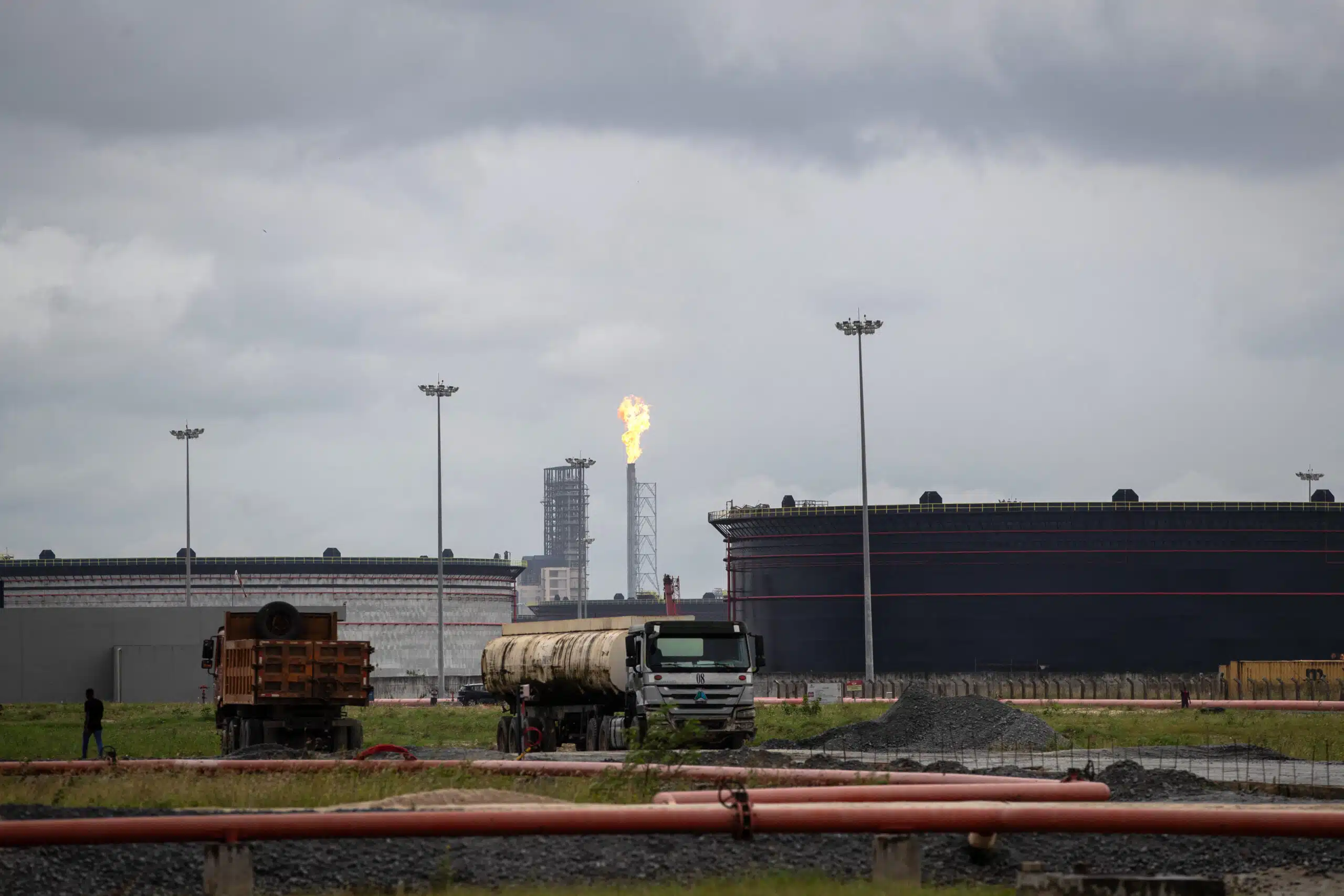
Ruto stated that Kenya currently imports liquefied petroleum gas (LPG) from multiple sources, including Nigeria and regional intermediaries in Tanzania.
“We recognise the strong complementarity between our economies, particularly Mozambique’s natural gas and coal resources and Kenya’s growing energy needs.
“Equally important is energy cooperation, which remains central to advancing sustainable development and inclusive growth in our two countries,” he said.
Domestic demand drive import push
Kenya’s move comes amid rising domestic demand for LPG, driven by a shift away from traditional fuels such as firewood and charcoal.
Data from the country’s Energy and Petroleum Regulatory Authority (Epra) shows increased adoption of LPG for cooking, particularly in urban areas. This has placed pressure on existing supply chains, which rely heavily on imports.
“To support this, we agreed to promote partnerships in energy development, including opportunities in natural gas, while strengthening collaboration in renewable energy to support a reliable, sustainable and diversified energy mix,” he said.
Ruto noted that the two sides agreed to promote partnerships in energy development, including opportunities in natural gas, and to strengthen collaboration in renewable energy.
Mozambique’s gas reserves
Mozambique holds some of the largest natural gas reserves in Africa, with more than 100 trillion cubic feet discovered offshore in the Rovuma Basin. The country has in recent years positioned itself as a key supplier to both global and regional markets.
President Chapo said the two countries are already working within an established cooperation framework covering multiple sectors.
“In the bilateral context, Mozambique and Kenya have already 20 legal instruments. And they are being fully implemented, with tangible results in various sectors such as politics,diplomacy, defence and security, immigration, transportation among other areas,” he said.
He added that both governments are seeking to expand cooperation beyond existing agreements.
Global conflicts disrupt supply
Kenya’s shift comes against the backdrop of disruptions linked to the Russia–Ukraine war and instability in the Middle East, both of which have affected global energy supply chains.
Ruto said these developments have reinforced the need to look for alternative suppliers within the region.
The country’s reliance on imports from distant markets has exposed it to price volatility and supply risks, particularly during periods of geopolitical tension. As a result, Kenya is now focusing on sourcing energy closer to home.
Meanwhile, Kenya is investing in infrastructure to handle increased LPG volumes as it expands supply options.
A 30,000-tonne LPG handling and storage facility is under construction in Mombasa at a cost of $129 million. The Taifa Gas project at the Dongo Kundu Special Economic Zone is reported to be about 80 percent complete and is expected to be operational within months.
Trade Cabinet Secretary Lee Kinyanjui said the project will strengthen the country’s supply capacity.
“The facility will add 30,000 tonnes of LPG storage and distribution capacity, strengthening Kenya’s ability to meet domestic demand and positioning the country as a regional supplier,” he said.
In addition, Kenya Petroleum Refineries Ltd is partnering with Asharami Synergy Ltd, a subsidiary of Nigeria’s Sahara Group, to develop another LPG facility in Changamwe, Mombasa.
The bottom line
Kenya relies heavily on imported LPG to meet domestic demand, with supply sourced from West Africa, the Middle East and regional distributors.
Mozambique’s gas discoveries over the past decade have positioned it as one of Africa’s largest potential LNG exporters, with ongoing projects targeting both international and African markets.
The growing shift to LPG in Kenya is part of broader efforts to promote cleaner cooking fuels and reduce reliance on biomass such as firewood and charcoal.
The proposed partnership between Kenya and Mozambique adds to a wider trend of African countries exploring intra-continental energy trade as global supply chains face increasing uncertainty.