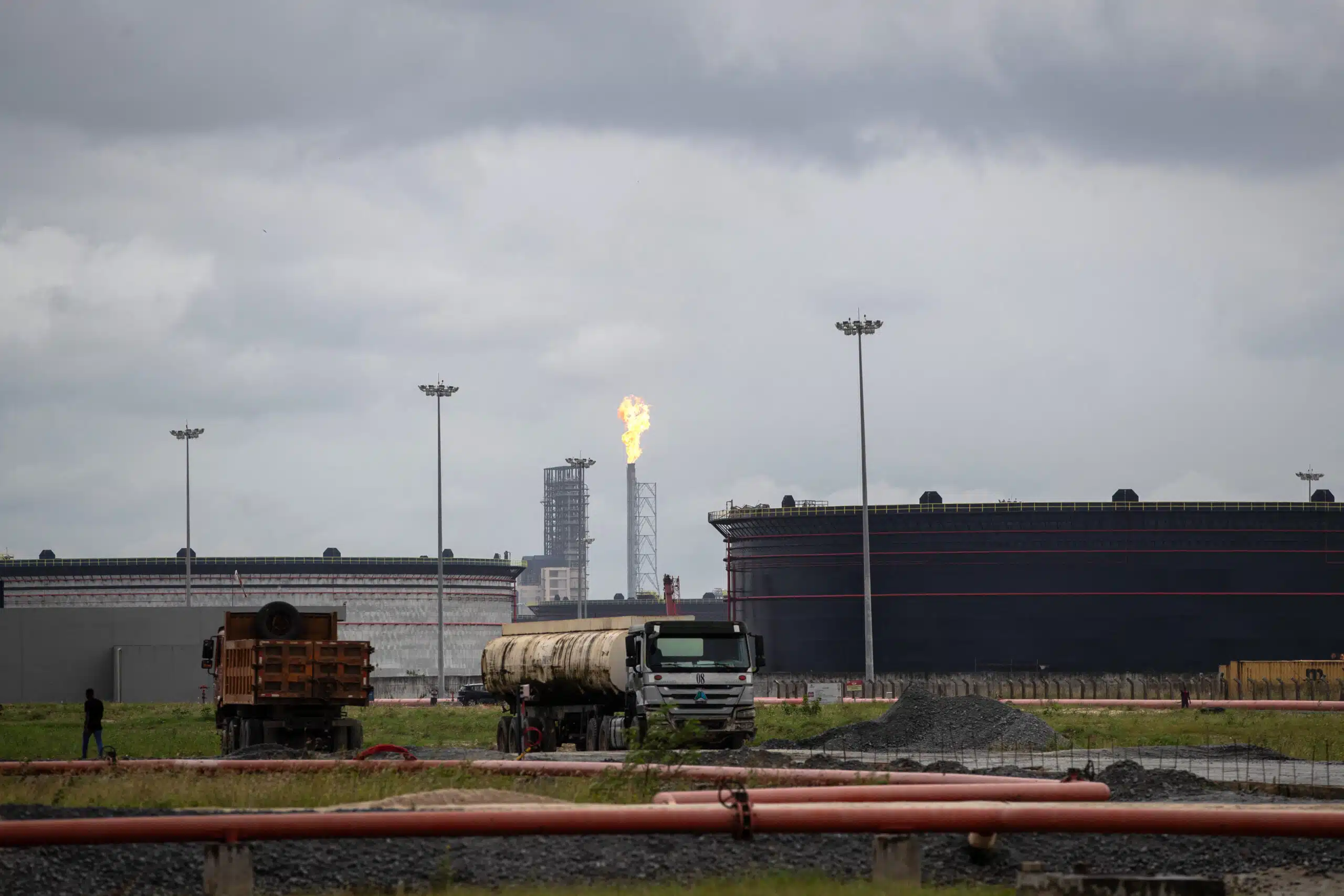




The Uganda National Oil Company and the Ministry of Energy and Mineral Development have assured the public that Uganda’s fuel supply remains stable despite disruptions in global oil shipments caused by the ongoing Middle East conflict.
In a press statement released on March 30, 2026 and signed by the Chief Corporate Affairs, Mr. Tony Otoa, the government said the conflict has affected shipments passing through the Strait of Hormuz, a major global oil transit route used for about 20 per cent of global oil consumption, including petroleum supplies from the Middle East.
According to the statement, Uganda’s fuel stock levels and inland supply chain remained stable as of March 27, 2026, with enough fuel to meet the country’s short-term demand.
The government said available stocks included about 81 million litres of petrol, 80 million litres of diesel, and about 18.5 million litres of Jet A-1 aviation fuel.
These volumes translate to approximately 22 days of petrol supply, 23 days of diesel supply, and 30 days of Jet A-1 supply, meaning the country’s current fuel stock is expected to last until the end of April 2026.
The government said additional fuel shipments are already scheduled to arrive between the end of March and April 2026, mainly through the port of Mombasa in Kenya, with products destined for Uganda.
Additional fuel shipments expected
According to Otoa, the incoming shipments are expected to include about 195 million litres of petrol, 155 million litres of diesel, and 24 million litres of Jet A-1 fuel. These additional supplies are expected to significantly increase Uganda’s fuel reserves and extend national fuel coverage.
He noted that fuel supplies would be supported through Tanzania using multiple ports including Tanga, Dar es Salaam and Mtwara to strengthen supply security and reduce reliance on a single supply route.
The statement noted that the diversified supply routes are part of Uganda’s strategy to maintain fuel availability despite global supply disruptions.
He also reassured transport operators, airlines, businesses and the general public that Uganda’s fuel supply remains secure and continuous despite the global market uncertainties caused by the Middle East conflict.
“The Government of Uganda remains fully committed to safeguarding national energy security and ensuring a consistent and reliable supply of petroleum products across the country,” Otoa said.
Otoa warned that some information circulating on social media about fuel shortages was inaccurate and could create unnecessary panic and market exploitation.
Pump prices may still be affected
While supply remains stable, the government said it will continue to monitor factors that may affect fuel prices, including foreign exchange rates and international oil prices.
Global oil prices have been volatile due to the Middle East conflict, and this may influence pump prices even if fuel supply remains stable.
The Uganda National Oil Company said it will continue working with its international supply partners to ensure continuity of petroleum product supply and maintain fuel availability across the country despite global market uncertainties.