



Nigeria has exported the first cargo of its newly introduced Cawthorne crude oil grade to India, the Nigerian National Petroleum Company Limited has confirmed, marking the official entry of the new crude blend into the international oil market.
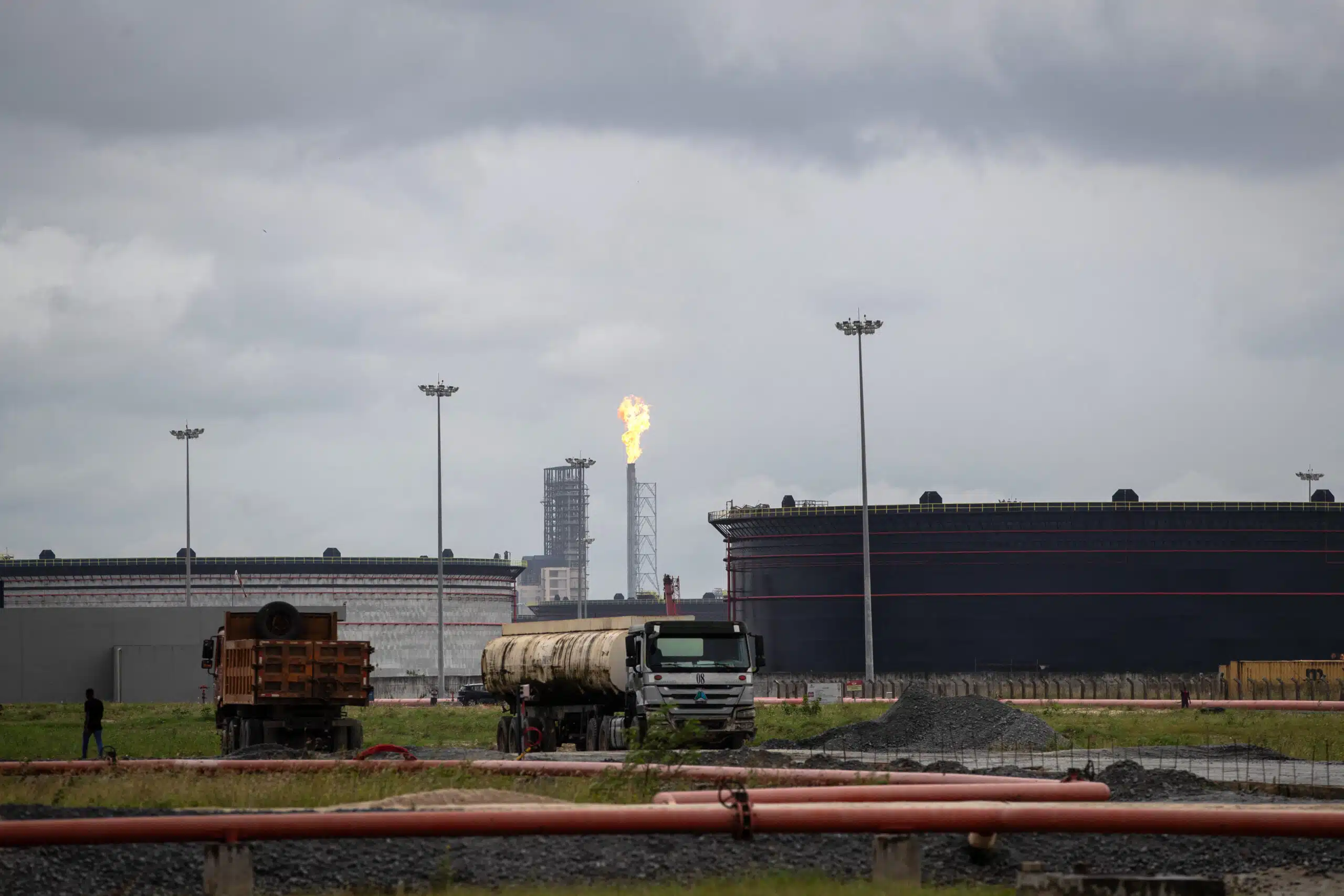
A spokesperson for the national oil company said approximately 950,000 barrels of the new crude grade were shipped over the weekend from the Floating Storage and Offloading vessel, FSO Cawthorne.
“NNPC shipped the first cargo of the new Cawthorne crude at the weekend. A total of 950,000 barrels of crude was exported from the FSO Cawthorne,” the spokesperson said.
Ship-tracking data indicated that the cargo is heading to Sikka port in India, where the Jamnagar refinery owned by Reliance Industries is located.
The refinery is one of the largest in the world and has been adjusting its crude sourcing strategy in recent years due to sanctions on Russian oil and supply disruptions linked to geopolitical tensions in the Middle East.
New crude grade similar to Bonny Light
NNPC had earlier described Cawthorne crude as a light, sweet crude similar to Nigeria’s popular Bonny Light grade, which is widely accepted in global markets because of its low sulphur content and ease of refining into high-value products such as petrol, diesel and aviation fuel.
Industry analysts say introducing new crude grades helps Nigeria diversify its crude streams and attract more buyers in Asia and Europe, especially at a time when refiners are seeking alternative supply sources due to global supply uncertainties.
The Cawthorne crude is produced from Oil Mining Lease 18 (OML 18) located in the eastern Niger Delta, an area that has historically faced production challenges including oil theft, pipeline vandalism and operational disruptions.
The OML 18 block is operated by NNPC in partnership with Sahara Group, Eroton Exploration and Production and Bilton Energy. The block includes the Awoba and Buguma oil fields and is expected to reach peak production of around 50,000 barrels per day, according to industry data.
Sahara Group confirmed that the first cargo from the Cawthorne facility had been lifted, describing the floating storage and offloading facility as important for improving crude production, storage and export operations in the region.
The company’s Head of Commercial and Planning, Tosin Etomi, said the project reflects cooperation among the partners involved in the OML 18 operations.
He added that modern technologies were installed on the 2.2-million-barrel capacity FSO Cawthorne to support production and export activities.
Nigeria seeks to increase crude production
Nigeria has been working to increase crude oil production and exports since the administration of Bola Tinubu began in 2023, with policies aimed at attracting investment into the oil sector and boosting output, particularly from onshore and shallow water fields.
According to official production data, Nigeria produced about 1.48 million barrels per day in February, partly affected by maintenance work at the Bonga deepwater field.
The country’s production capacity is estimated at about 2.2 million barrels per day, but actual output has declined over the years due to underinvestment, ageing oil fields and crude theft.
Industry experts say increasing production from assets such as OML 18 and introducing new crude grades like Cawthorne could help Nigeria strengthen its position in the global oil market, especially at a time when buyers are searching for alternative crude supplies due to geopolitical tensions affecting major oil-producing regions.
The export of the first Cawthorne cargo is expected to open the grade to more international buyers in Asia and other markets in the coming months, potentially increasing Nigeria’s crude export revenues and improving foreign exchange earnings.