
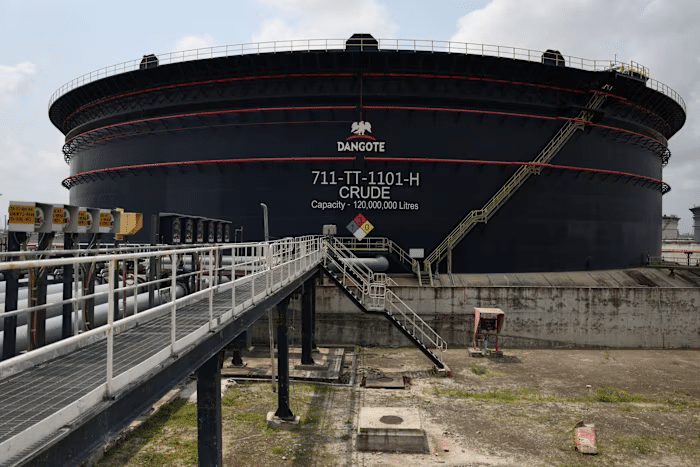


Nigeria has significantly increased crude oil deliveries to the Dangote refinery in March, as Africa’s top oil producer seeks to shore up domestic fuel availability following global supply disruptions linked to geopolitical tensions in the Middle East.
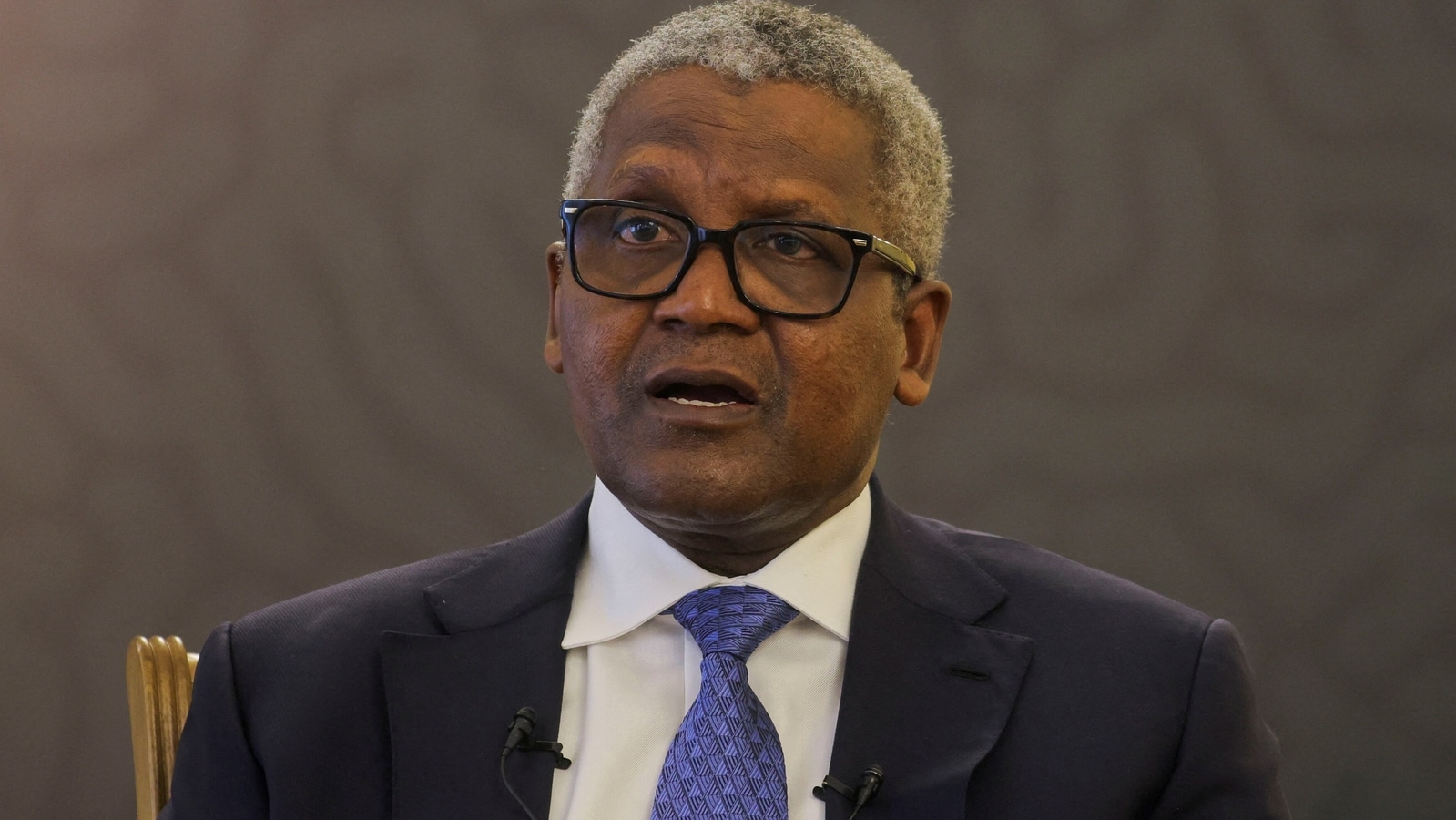
At a media briefing on April 7, billionaire industrialist Aliko Dangote, who controls the continent’s largest crude processing facility, said the refinery received 10 cargoes of crude from the state‑owned Nigerian National Petroleum Company Limited last month.
“Last month, they gave us six cargoes for naira and four cargoes for dollars,” Dangote told reporters.
The delivery volume represents a doubling of NNPC crude supplied compared with recent months, when the facility had been receiving an average of about five cargoes a month.
The increase in crude allocation to the Dangote refinery comes amid ongoing disruptions in global oil markets triggered by the war involving Iran and related conflicts in the Middle East.
These events have disrupted supply routes and elevated crude oil prices, placing pressure on downstream fuel availability in many regions, including West Africa.
Historically, Nigeria has struggled with fuel shortages and volatile prices despite being a major oil producer, largely because of limited refining capacity and reliance on imported refined products.
The Dangote refinery was built to change that narrative, to reduce imports, supply local demand, and export excess fuel to neighbouring countries.
Shortfall remains despite increased supply
While the increase to 10 cargoes marks progress, the March deliveries still fell well short of the 19 cargoes per month the refinery says it needs to operate at full capacity. Dangote officials have said the refinery’s optimal operation requires between 13 and 15 cargoes sourced locally.
Dangote’s CEO David Bird told local outlet Arise TV last month that the refinery receives only five local cargoes out of the 13-15 crude cargoes previously agreed.
“We try and maintain some stability within a commercially acceptable range… but all our cost inputs—from crude to freight and insurance—are impacted,” Bird told Arise.
Analysing the shortfall, Dangote disclosed that supplies from international oil companies operating within Nigeria have not increased in line with the refinery’s needs.
“The higher we pay, the higher the cost of petroleum products will be, because we have to pass on the cost,” Dangote said, referring to the premium the refinery pays for some crude supplies it purchases indirectly.
The company has at times paid premiums as high as $18 per barrel above Brent‑linked benchmarks to secure cargoes on the international market.
These additional costs are typically passed through to the price of refined products sold locally.