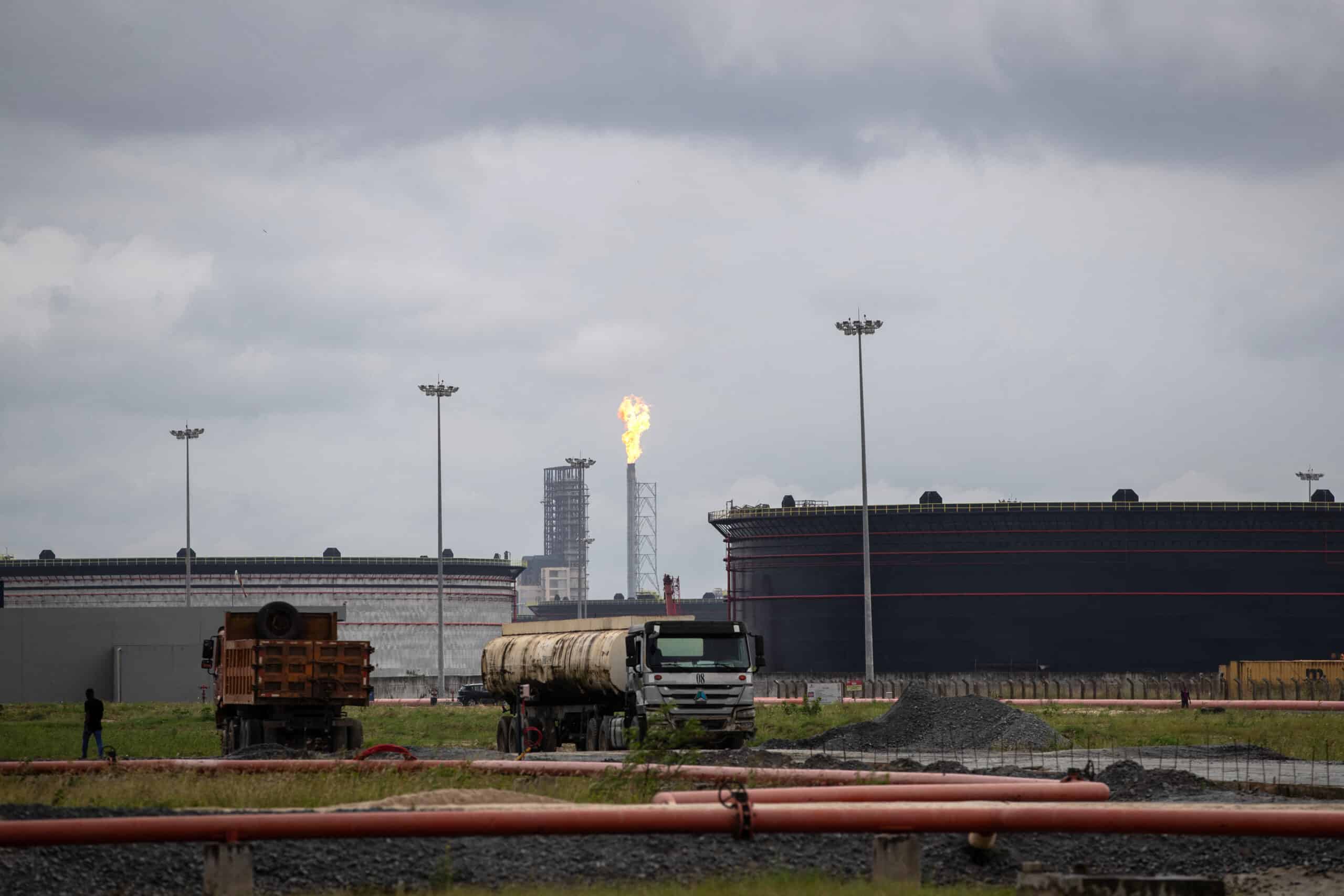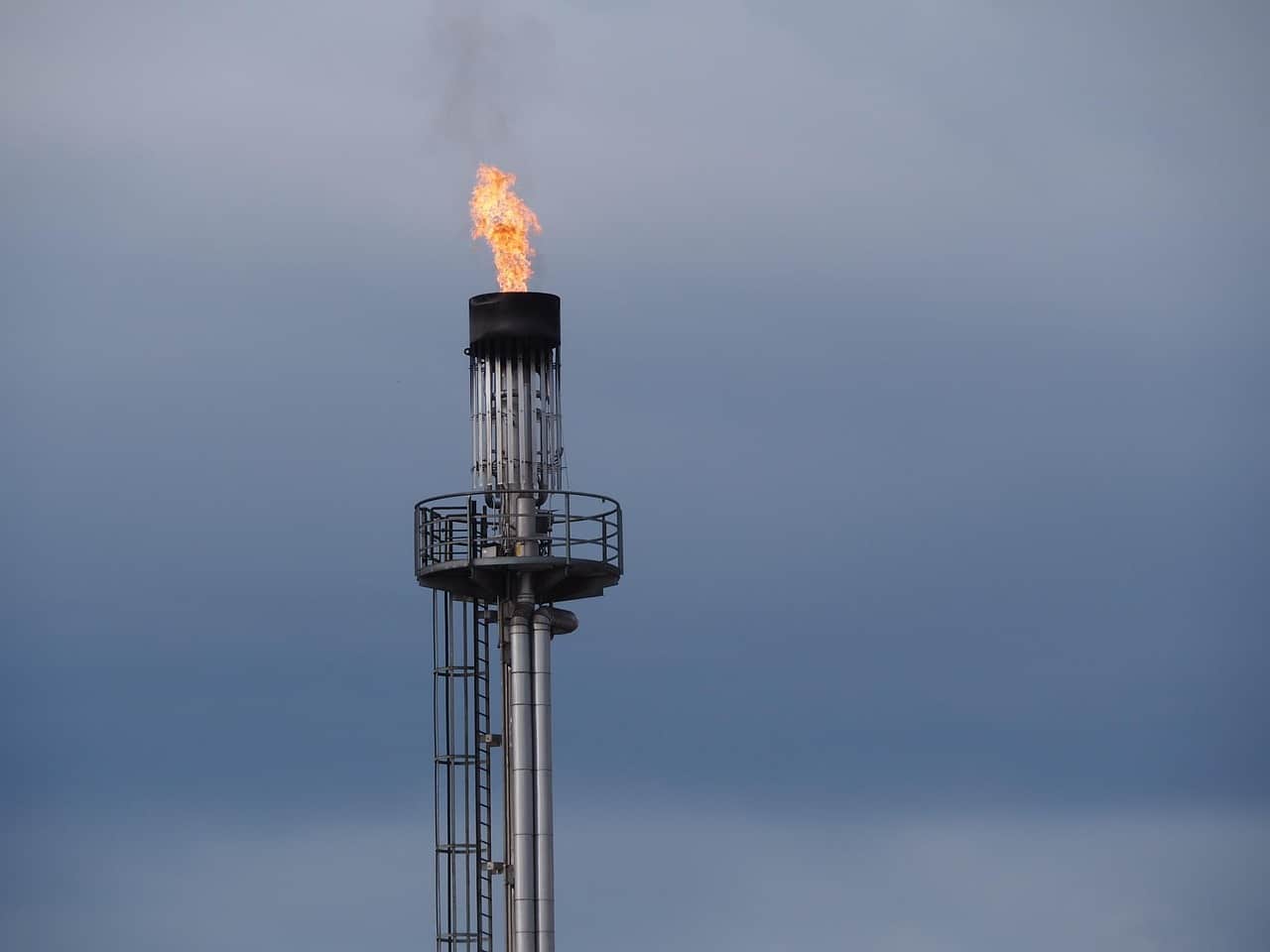



Ghana’s crude oil production has declined for the sixth consecutive year, dropping from a peak of 71.4 million barrels to 37.3 million barrels in 2025, according to the 2025 Annual Report by the Public Interest and Accountability Committee (PIAC).
The report indicates that the country’s oil output has recorded a compounded annual average decline of about nine per cent, raising concerns about the sustainability of the sector.
Ghana, which began commercial oil production in 2010, had positioned its petroleum industry as a key pillar for economic growth and revenue generation.
Over the years, proceeds from crude oil have supported government spending and development projects.
Although crude oil is not the West African nation’s primary export revenue source, declining output is complicating the government’s efforts to diversify its export base into commodities such as cocoa and gold.
PIAC raises concern over decline
Presenting the report on Wednesday, April 8, PIAC Chairman, Richard Ellimah, said the continued drop in production should be a concern to citizens and policymakers.
“In 2025, crude oil production declined for the sixth consecutive year, falling from a high of 71.4 million barrels to 37.3 million barrels. This represents a compounded annual average decline of 9%, which should be a concern for every Ghanaian,” Ellimah stated.
He noted that the development has implications for government revenue and the broader economy, stressing the need for immediate steps to address the situation
Ellimah urged the government to deepen collaboration with the Petroleum Commission to attract new investment into the petroleum sector.
He said increased capital inflow is necessary to improve production levels and sustain operations across existing oil fields.
“There is the need for a targeted framework to stimulate investment in producing fields and attract additional capital into the petroleum industry,” he said.
According to him, without renewed investor interest, production could continue to decline, affecting the country’s fiscal outlook.
Focus on TEN Field Performance
The PIAC chairman also drew attention to the performance of the Tweneboa Enyenra Ntomme field (TEN) field, where output has fallen below expectations.
He recommended that authorities prioritise measures aimed at improving production from the field as part of efforts to stabilise overall output.
“The TEN field remains critical to Ghana’s production levels, and efforts must be made to enhance its performance,” Ellimah added.
Ghana has three main oil fields where it produces a bulk of its oil, of which TEN is one of them.
The report comes at a time when Ghana is seeking to strengthen its energy sector amid changing global dynamics.
While crude oil continues to play a central role in the country’s economy, the consistent drop in production highlights the need for policy direction and sustained investment.
PIAC maintained that addressing the challenges affecting production and improving efficiency across oil assets would be crucial to reversing the current trend and supporting future growth in the sector.