



The World Bank has advised the Nigerian government to grant petrol import licences as part of measures to strengthen competition in the downstream petroleum sector, even as the Dangote Refinery continues to dominate the market.
The recommendation is contained in a policy document outlining strategies to improve macroeconomic stability, respond to global economic pressures, and enhance early childhood development in Nigeria.
The reports says that maintaining a competitive market environment will ensure efficiency, price stability, and consumer protection.
Nigeria’s downstream authorities recently halted issuance of petrol impor license, citing local sufficiency from supply from Dangote refinery.
However, the Brent Wood instittution called on authorities to reinstate import licences to reintroduce competition into the Premium Motor Spirit (PMS) market.
The move, it said, would prevent monopolistic tendencies and create a level playing field for operators within the sector.
“Reinstate import licenses to reintroduce competition to the PMS market,” the report stated, stressing the need for policies that support market efficiency while safeguarding consumers.
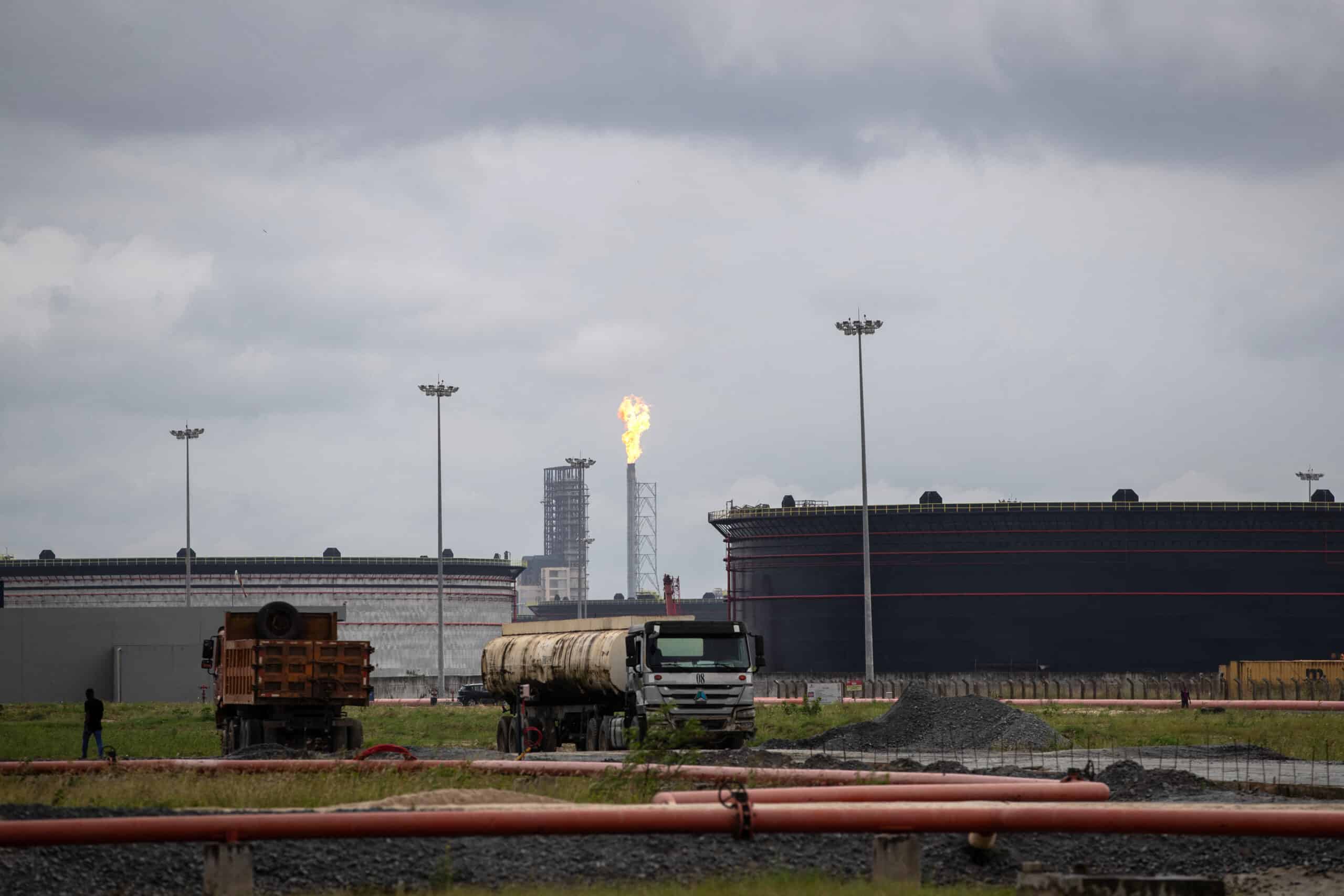
The recommendation comes at a critical time when Nigeria’s downstream oil sector is undergoing major transformation following the commencement of operations at the Dangote Refinery, one of the largest single-train refineries in the world.
Located in Lagos, the refinery is expected to reduce Nigeria’s dependence on imported petroleum products, conserve foreign exchange, and strengthen energy security.
Despite these expectations, concerns have emerged over the potential dominance of a single supplier in the domestic market.
The World Bank’s proposal seeks to address such concerns by encouraging a competitive structure that fosters efficiency and prevents supply disruptions.
Broader economic policy recommendations
Beyond the petroleum sector, the report outlines measures aimed at strengthening Nigeria’s fiscal and monetary stability. These include enhancing revenue mobilisation, improving budget processes, and strengthening tax administration through data-driven risk management for audits and customs operations.
The World Bank also advised the Federal Government to publish audited financial statements from 2021 to 2025 to promote transparency and accountability. Additionally, it called for improvements in treasury management and a review of the country’s health tax framework.
On monetary policy, the institution recommended gradually lowering banks’ Cash Reserve Ratio (CRR), narrowing the gap between the Central Bank of Nigeria’s lending and deposit rates, and focusing open market operations on managing naira liquidity.
It further urged policymakers to foster organic foreign exchange inflows, clarify the intervention framework for the foreign exchange market, and preserve exchange rate flexibility to cushion external shocks.
Managing global economic pressures
The World Bank also addressed Nigeria’s response to global developments, including the ongoing conflict in the Middle East.
It advised the adoption of a countercyclical fiscal approach to manage temporary oil windfalls and recommended allocating part of such gains to rebuild fiscal buffers.
To curb inflationary pressures, the institution urged the government to avoid blanket subsidies and price controls while protecting vulnerable households through targeted transfers.
It also recommended reducing import tariffs and lifting bans on selected products, particularly food and key industrial inputs, to ease supply constraints.
According to the report, maintaining prudent monetary and exchange rate policies will be crucial to preserving macroeconomic stability and shielding the economy from external shocks.