


Nigerian energy firm Oando Plc has announced plans to raise up to $750 million for an extensive drilling campaign aimed at increasing its oil production, as shifting global dynamics reshape investor interest in West Africa’s energy sector.
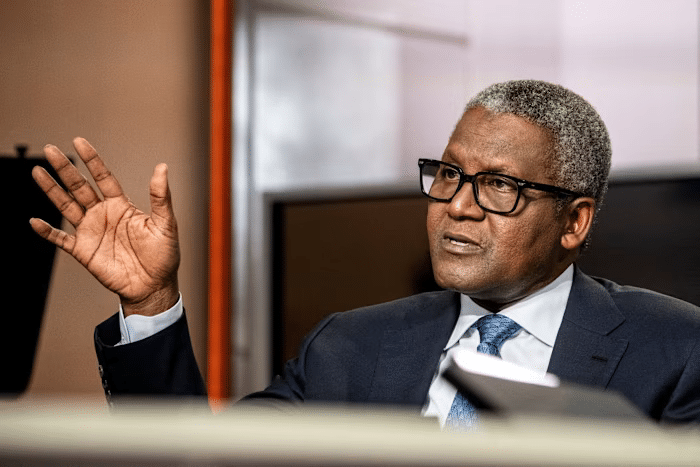
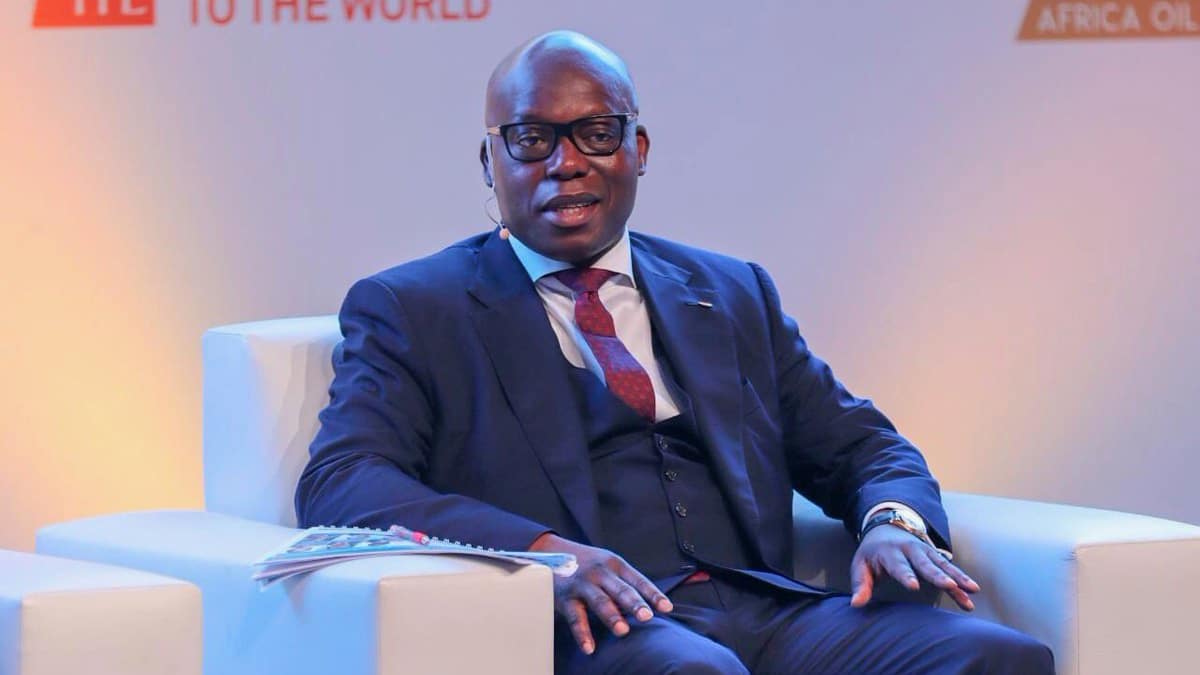
The development was disclosed by the company’s Group Chief Executive Officer, Wale Tinubu, in an interview with Reuters on Friday. He said the initiative could raise Oando’s output by as much as 300 per cent.
“We are pushing very, very hard towards getting the financing that we need to do an extensive drilling campaign,” Tinubu told Reuters.
Tinubu attributed renewed investor appetite to geopolitical tensions, including the conflict involving Iran and the lingering effects of Russia’s invasion of Ukraine.
According to him, these developments have shifted global perceptions about investment risks and reinforced interest in Africa’s oil and gas sector.
While funding had been difficult to secure in the past due to concerns about instability, Tinubu noted that the current global energy climate has made West Africa more attractive to investors.
“Africa is very, very peaceful compared to these regions,” he said.
He added that demand for Nigerian crude has evolved, with more shipments heading to Asian markets as buyers seek alternatives to supplies affected by disruptions in the Gulf region.
Ambitious plans to boost production
Nigeria remains Africa’s largest oil producer, with crude and condensate output averaging about 1.6 million barrels per day.
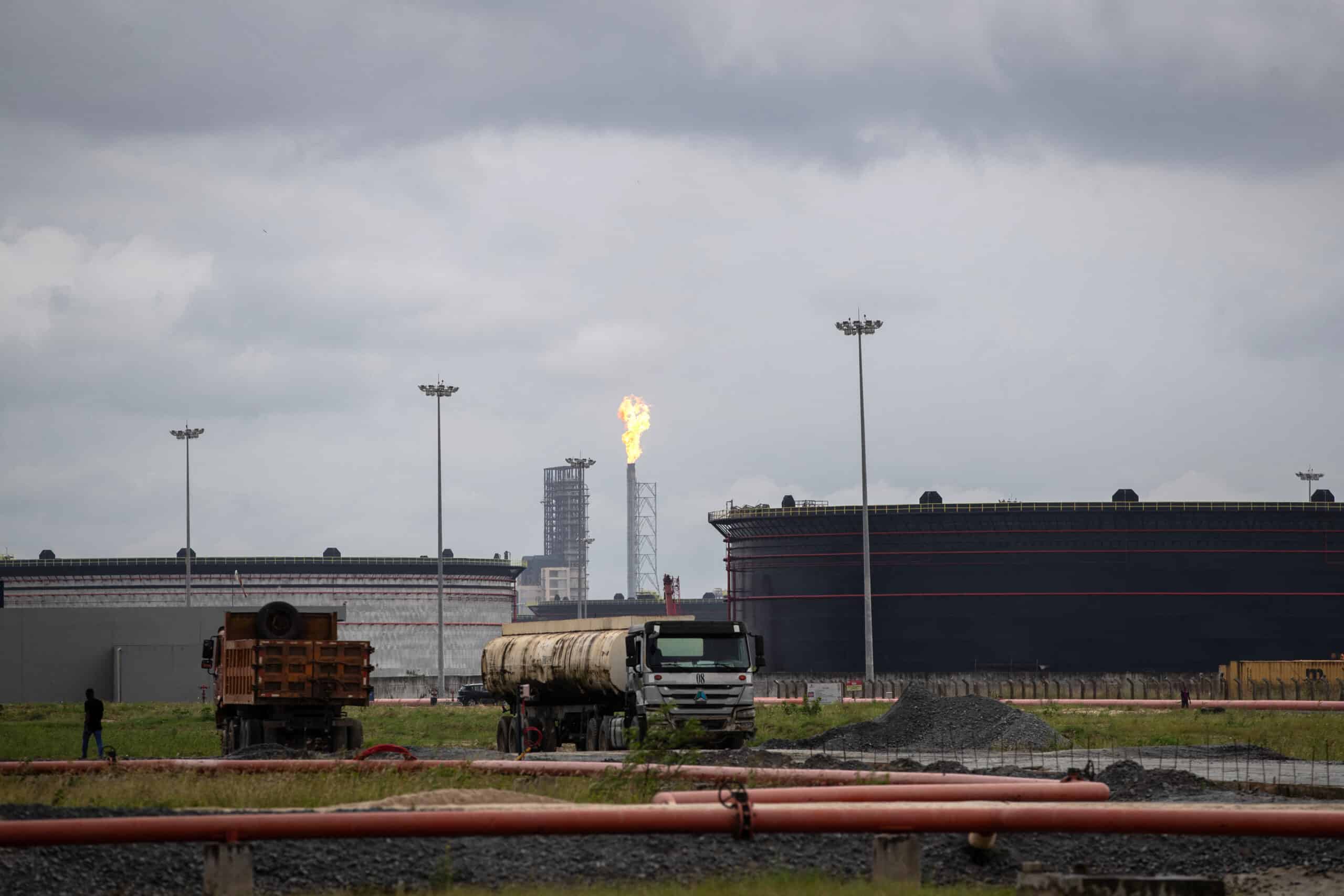
Oando, which recorded an average production of just over 32,000 barrels of oil equivalent per day in the 2025 fiscal year, plans to drill up to 100 wells to scale up its operations.
The proposed drilling programme will focus largely on assets acquired from international oil companies, including ConocoPhillips and Eni, as part of a broader shift toward indigenous ownership in Nigeria’s oil and gas industry.
Over the past decade, local firms have taken over several onshore and shallow-water assets divested by multinational oil companies, positioning themselves to play a more prominent role in the sector.
Shift in funding sources
Tinubu revealed that Oando has raised between $3 billion and $4 billion over the last ten years, largely from European financial institutions. However, many European banks have scaled back support for hydrocarbon projects in Africa due to climate-related concerns.
As a result, the company is exploring alternative sources of financing, including the African Export-Import Bank and the African Finance Corporation. It is also engaging global commodity trading firms such as Vitol, Trafigura, Glencore, and Mercuria.
Tinubu, however, stressed the need for long-term financing to sustain large-scale energy projects across the continent.
Beyond Nigeria, Oando is expanding its presence across Africa. The company has recently moved into Angola and is exploring opportunities in Ghana and Côte d’Ivoire as part of its regional growth strategy.
Tinubu also urged African nations to mobilise domestic capital through pension funds and other financial institutions to support major infrastructure and energy investments.
Dangote Refinery and petrol imports
Commenting on developments in Nigeria’s downstream sector, Tinubu expressed confidence in the country’s refining capacity, particularly with the emergence of the Dangote Refinery.
He stated that Nigeria no longer requires routine petrol imports, except for pricing benchmarks or during maintenance shutdowns.
The refinery, with a capacity of 650,000 barrels per day, is expected to reduce dependence on imported fuel and enhance energy security.
Reforms and industry outlook
Tinubu noted that Nigeria is well-positioned to attract further investment following the enactment of the Petroleum Industry Act in 2021 and economic reforms introduced by President Bola Ahmed Tinubu, including the removal of petrol subsidies and foreign exchange adjustments.
He added that geopolitical tensions would continue to shape global energy markets and keep attention on West Africa’s hydrocarbon reserves.
“Even if the ceasefire lasts, which, hopefully it will, it wouldn’t change the fact that consistently, you’re going to find disruptions,” he said.
As part of its financial strategy, Oando is also working to streamline its accounts after delays in filing audited statements with the Nigerian Exchange.
In August, the company’s board approved a multi-instrument issuance programme of up to $1.5 billion to support future investments.
The planned drilling campaign is expected to strengthen Oando’s production capacity and reinforce the role of indigenous companies in Nigeria’s evolving energy landscape.