
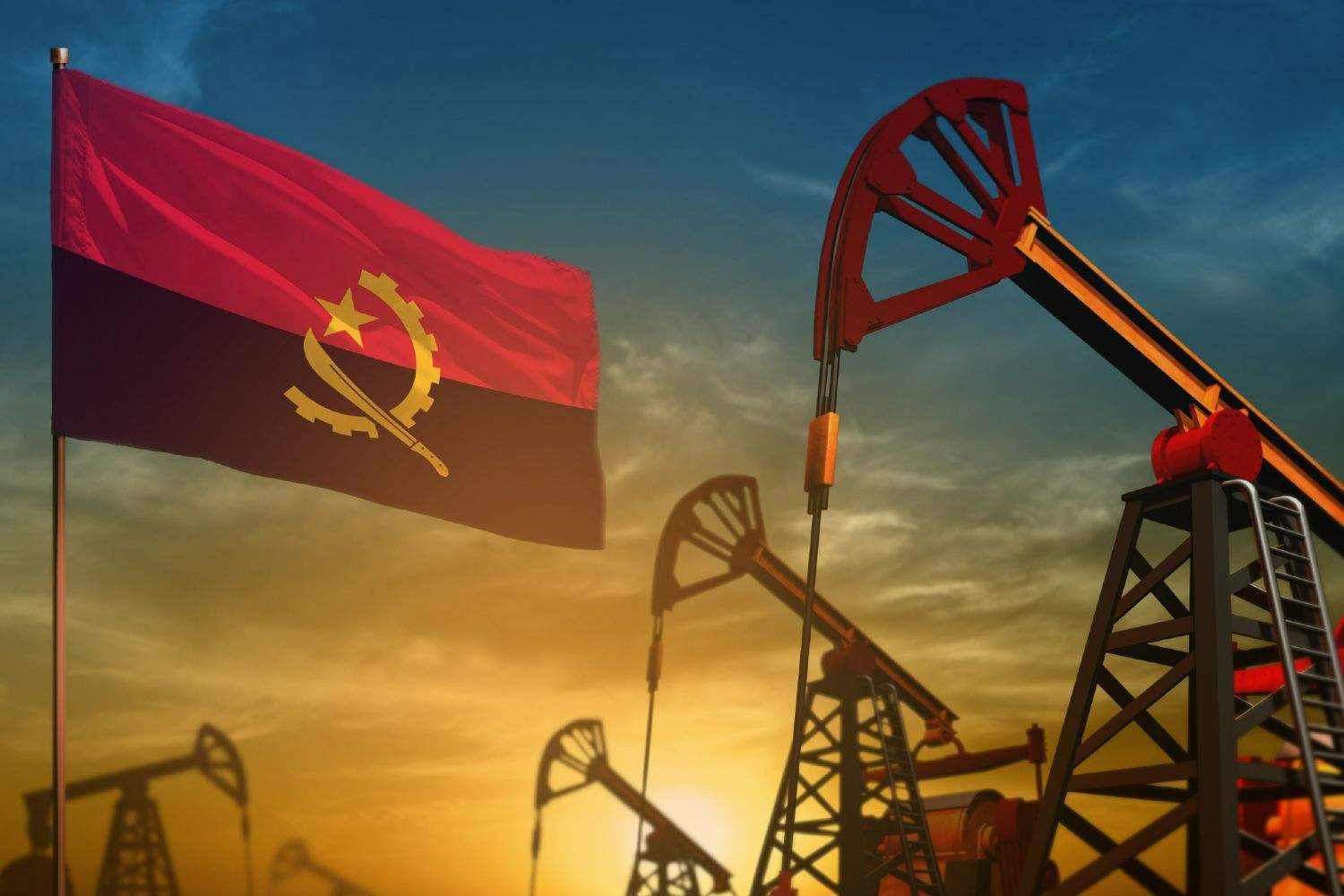


Angola has re-entered the international debt market to capitalise on rising crude oil prices triggered by the ongoing conflict in the Middle East, signalling renewed confidence in the country’s fiscal outlook.
According to people familiar with the matter, the government in Luanda, the nationa’s capital, is leveraging the oil price rally to strengthen its financial position and support national spending plans.
Multiple sources note that the administration of João Lourenço has returned to the Eurobond market less than six months after issuing $1.75 billion in bonds to finance its 2025 budget.
The latest move follows a surge in global oil prices, which climbed to around $100 per barrel amid supply concerns linked to the Iran war.
Oil boom boosts Angola’s fiscal outlook
As one of Africa’s leading crude exporters, Angola has benefited from the spike in global energy prices.
The rise has improved government revenues, eased fiscal pressures, and strengthened investor sentiment toward the country’s economy.
The renewed access to international capital markets reflects optimism that elevated oil prices will persist in the near term, providing Luanda with additional fiscal space to manage its economic priorities and service existing obligations.
The situation marks a sharp contrast to the challenges faced in the previous year, when weaker production levels and oil prices hovering around $60 per barrel raised concerns about Angola’s financial stability.
At the time, declining revenues compelled Angola to provide $200 million in collateral under a $1 billion “total return swap” agreement with JPMorgan Chase & Co.
However, the rebound in crude prices has also altered the country’s financial trajectory, allowing the government to re-engage with investors from a stronger position.
The latest Eurobond move is part of a broader strategy to manage public finances, attract foreign capital, and sustain economic recovery following years of volatility driven by oil price swings and structural reforms.
Geopolitical tensions reshape energy markets
The conflict in the Middle East has disrupted global energy supply chains, prompting a surge in crude prices and increasing demand for oil from alternative producers.
This shift has positioned Angola and other African exporters as key beneficiaries of the evolving geopolitical landscape.
For Angola, whose economy remains heavily reliant on petroleum exports, the current price rally offers an opportunity to reinforce fiscal stability while advancing economic reforms aimed at reducing dependence on oil.
As energy markets remain volatile, Angola’s return to the Eurobond market signals both opportunity and risk, highlighting the importance of prudent fiscal management and long-term economic diversification.