
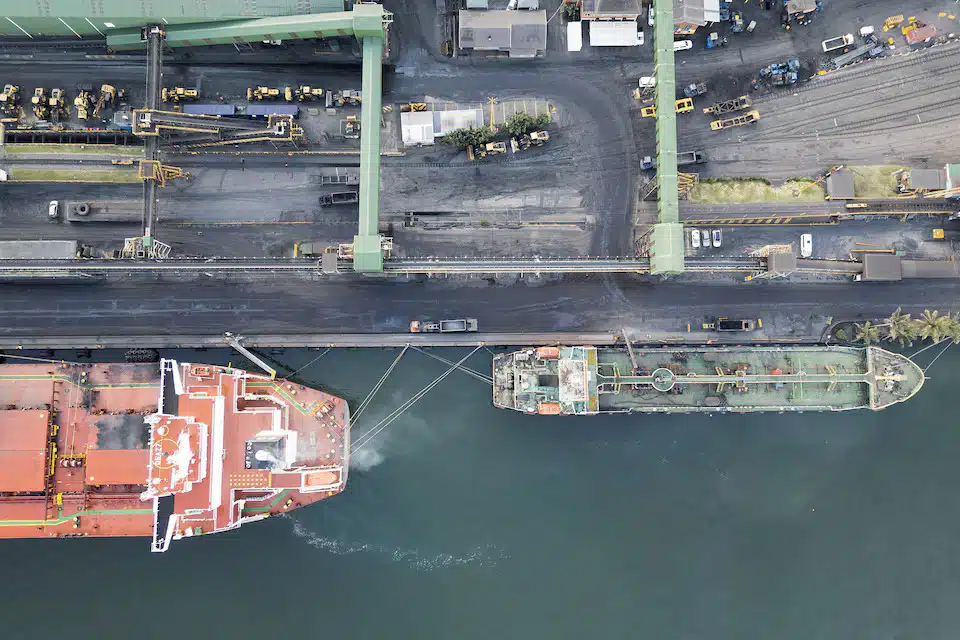


Vivo Energy, a subsidiary of global commodities trader Vitol, is set to invest approximately $130 million to expand its fuel storage capacity in Durban, a key port city on South Africa’s east coast.
The investment will increase storage infrastructure at the Island View precinct, strengthening supply security in one of Africa’s largest fuel import hubs.
A senior company executive, George Roberts, disclosed the development on Tuesday.
According to Roberts, the project was conceived prior to the U.S.-Israeli conflict with Iran, which disrupted global energy markets and threatened maritime transit through the Strait of Hormuz.
Roberts said the expansion would help South Africa withstand future supply shocks.
“This will allow you to increase the stock levels in-country and therefore if something like this happens again, it gives us more time to go and find product elsewhere to bring to South Africa, given it takes on average 20 to 25 days to ship product to South Africa depending on where it comes from,” he told Reuters.
Southern and East African countries, including South Africa, remain vulnerable to supply disruptions from the Middle East due to their reliance on imported crude and refined petroleum products. Limited storage infrastructure has further heightened this vulnerability.
125,000 cubic metres to be added
The project will add approximately 125,000 cubic metres of storage capacity in Durban, increasing Vivo Energy’s total storage capacity in the area to 500,000 cubic metres.
Roberts said the new capacity is expected to come on stream between the third quarter of 2026 and the third quarter of 2027, providing a strategic buffer against future supply crises.
The additional storage will be created through the conversion of old refinery tanks and the upgrade of a receiving facility at Island View. The initiative forms part of ongoing efforts to transform the fire-damaged Engen refinery into a storage terminal for products such as petrol, diesel, and jet fuel.
Vivo Energy footprint across Africa
Vivo Energy markets Shell-branded fuels—except in South Africa—and the Engen brand, operating more than 4,000 service stations across the continent. The company continues to invest in energy infrastructure to enhance fuel supply reliability across African markets.
Roberts revealed that the firm is also investing in liquefied petroleum gas (LPG) and refined petroleum storage facilities in Côte d’Ivoire, Senegal, and Morocco.
“Besides Uganda, we have invested in our depot assets in Tanzania and Mozambique in recent years and if the right opportunity comes up in those countries, we could invest more,” he said.
The Durban expansion underscores efforts by the energy company to strengthen fuel supply chains amid global market volatility.
By expanding its storage footprint, Vivo Energy aims to enhance resilience against supply disruptions while supporting South Africa’s position as a regional fuel distribution hub.