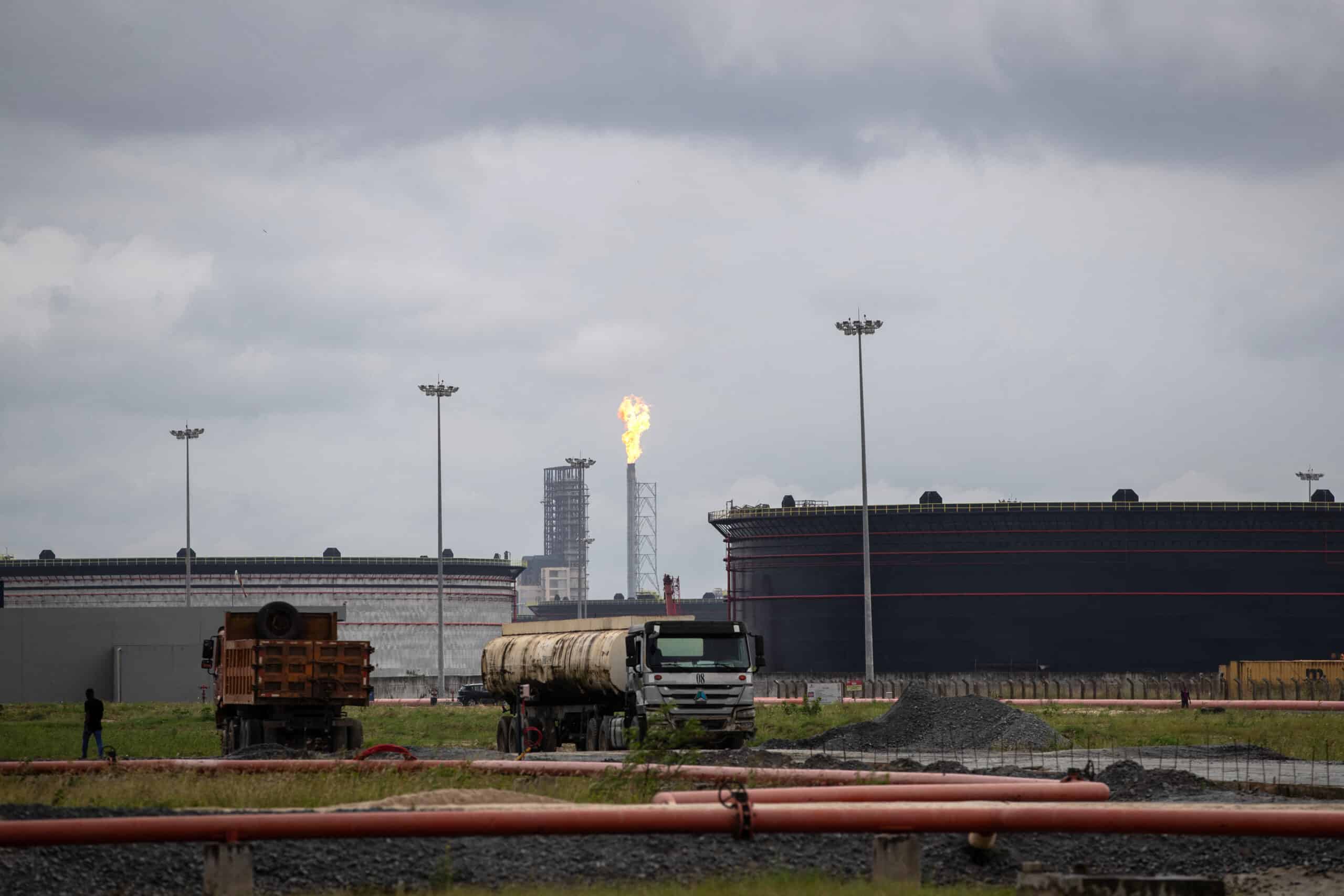



The Ghana government has announced plans to reduce fuel taxes and levies in a bid to cushion citizens from rising pump prices triggered by the ongoing conflict in the Middle East.
The government spokesperson, Felix Kwakye Ofosu, disclosed the decision on Thursday, stating that the measures are intended to ease the financial burden on consumers as global oil prices surge.
According to Ofosu, the tax reductions will involve removing selected charges imposed along the fuel supply chain by distributors and retailers. The intervention is expected to take effect within a week.
“We are aware of the exact amount. It will be significant,” Ofosu told reporters, adding that consultations with key stakeholders are ongoing to determine the specific levies to be scrapped.
He explained that the temporary relief would initially last four weeks, after which authorities would review the policy based on prevailing market conditions.
Rising global tensions drive price surge
The decision comes amid escalating geopolitical tensions involving Iran, which have disrupted global energy supplies and driven up crude oil prices.
The crisis has contributed to sharp increases in fuel costs across many African nations, particularly those dependent on imports of refined petroleum products.
Ofosu attributed recent increases in domestic fuel prices directly to the conflict, noting that global developments have had a direct impact on Ghana’s energy market.
Ghana imports approximately 70 per cent of its refined petroleum products, making it vulnerable to external shocks in the international oil market.
Pump prices climb in latest pricing window
Earlier, the National Petroleum Authority adjusted mandatory minimum price floors for the April 1–15 pricing window, leading to a noticeable increase in fuel costs.
Petrol prices rose by about 15 per cent to 13.30 cedis ($1.21) per litre, while diesel climbed roughly 19 per cent to 17.10 cedis ($1.55). The adjustments have placed additional pressure on households, transport operators, and businesses already grappling with rising living costs.
The government is expected to conclude consultations with industry stakeholders ahead of the next pricing window.
In a complementary move, the transport minister has been directed to accelerate the deployment of newly acquired Metro Mass Transit buses across high-traffic routes. The initiative is aimed at providing affordable alternatives for commuters, with fares set below those charged by private operators.
The intervention is expected to reduce transportation costs and mitigate the ripple effects of rising fuel prices on the broader economy.
Broader economic implications
The surge in fuel prices shows Ghana’s vulnerability to global oil market fluctuations, a challenge faced by many energy-importing nations across Africa.
Governments across the continent have increasingly turned to fiscal measures, subsidies, and tax adjustments to shield citizens from economic shocks linked to geopolitical tensions.
For Ghana, the planned tax reductions form part of broader efforts to stabilise the economy, protect households, and maintain social stability amid external pressures on energy supplies.
The policy response reflects the government’s attempt to balance fiscal responsibility with consumer protection as global uncertainties continue to shape domestic economic realities.