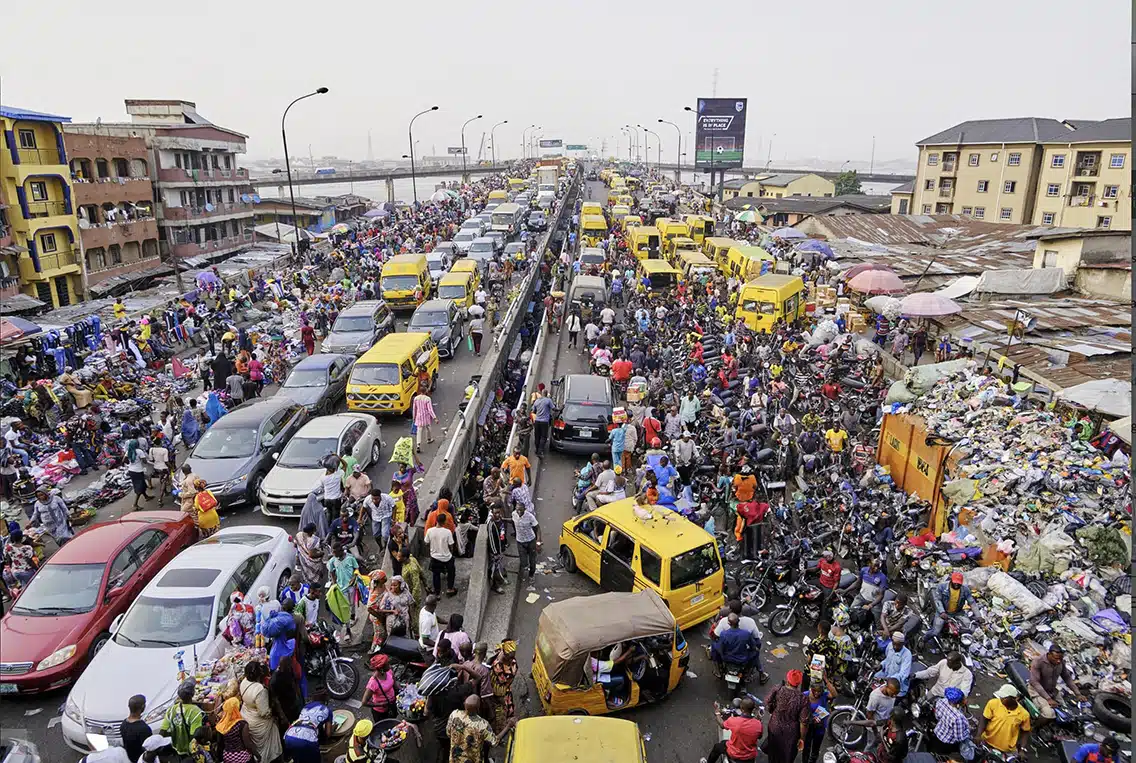



On a weekday morning in Accra’s Tema community, Abena Asante boards a trotro to get to work the way she does every day.
For most of last year, the fare barely changed. It was one of the few things that didn’t. Ghana had been pulling itself out of a brutal cost-of-living crisis, and for ordinary Ghanaians, stable transport fares were one of the clearest signs that something was actually working.
Then, in early April, her driver told her the fares might go up. “It’s the fuel,” he said, with a shrug that needed no further explanation.
Ghana has spent the better part of eighteen months doing something remarkable: bringing inflation down from crisis levels to some of the lowest in sub-Saharan Africa.
That work is now being tested by a global energy shock that has little to do with anything Accra did or failed to do, and everything to do with a war thousands of kilometres away.
From crisis to continent’s comeback story
To understand what is now at risk, it helps to understand just how far Ghana has come.
When Ghana began implementing economic reforms in May 2023, inflation had soared to 54.1 per cent in December 2022, amid ballooning public debts, a collapsing currency, and a weakened macroeconomic environment. The cedi had lost nearly a fifth of its value in 2024 alone. Debt stood at over 93 per cent of GDP.
The energy sector owed billions in unpaid bills, and the frequent blackouts that Ghanaians call dumsor had become a symbol of a state that had lost its grip on basic services.
When Mahama’s administration came to office, it inherited over GH₵67 billion in arrears, more than GH₵194 billion in unauthorised contract commitments, and a cocoa sector mired in GH₵32 billion in debt.
The government responded with a coordinated reset: reviving policy dialogue through a national economic forum, re-establishing coordination between the Finance Ministry and the Bank of Ghana, and prioritising fiscal discipline.
The results, by any measure, have been striking:
- Ghana’s consumer inflation eased to 3.2 per cent in March 2026, down from a crisis peak of 54.1 per cent in December 2022, marking the lowest reading since the country’s Consumer Price Index was rebased in 2021.
- Real GDP expanded by 6 per cent in 2025, driven by services and agriculture recovery, while strong gold exports supported a current account surplus and pushed foreign reserves to over 5.7 months of import cover.
- The IMF also confirmed that all quantitative performance criteria for its fifth review were met, with growth exceeding expectations and the external sector strengthened on robust gold and cocoa exports.
It is the kind of turnaround that development economists usually discuss in cautious, qualified language. Ghana’s numbers have been neither cautious nor qualified.
What got Ghana here
Mahama’s administration did not recover the economy on political will alone. Several things aligned, and it is worth being precise about which ones were policy and which ones were fortune.
On the policy side, Ghana restructured its IMF programme, restoring creditor confidence and unlocking fresh financing.
Key among the reforms was the establishment of the Ghana Gold Board to accumulate foreign exchange reserves and support cedi stability, alongside a new Revenue Assurance Strategy to tighten compliance and widen the tax net.
The government also cleared a significant portion of its energy sector debts, breaking a cycle of unpaid bills that had choked gas supply and kept the lights off.
Then there were the tailwinds that Accra did not engineer. Ghana’s gold exports rose 76 per cent to $5.2 billion in the first quarter of 2025 compared to a year earlier, while cocoa shipments tripled to $1.8 billion between January and March.
Gold prices touched $3,400 per ounce. Cocoa hit $10,000 per tonne. For a country whose export revenues depend heavily on both commodities, the timing was transformative. myjoyonline
The cedi appreciated over 42 per cent against the US dollar since January 2025, making it the world’s best-performing currency that year. Bloomberg captured the moment with the headline: “World-Beating Cedi Slows Ghana Inflation to Three-Year Low.”
The combination of disciplined fiscal management and surging commodity revenues created a rare window. Ghana used it well. The question now is whether the window is closing.
Why rising fuel costs could undo the gains
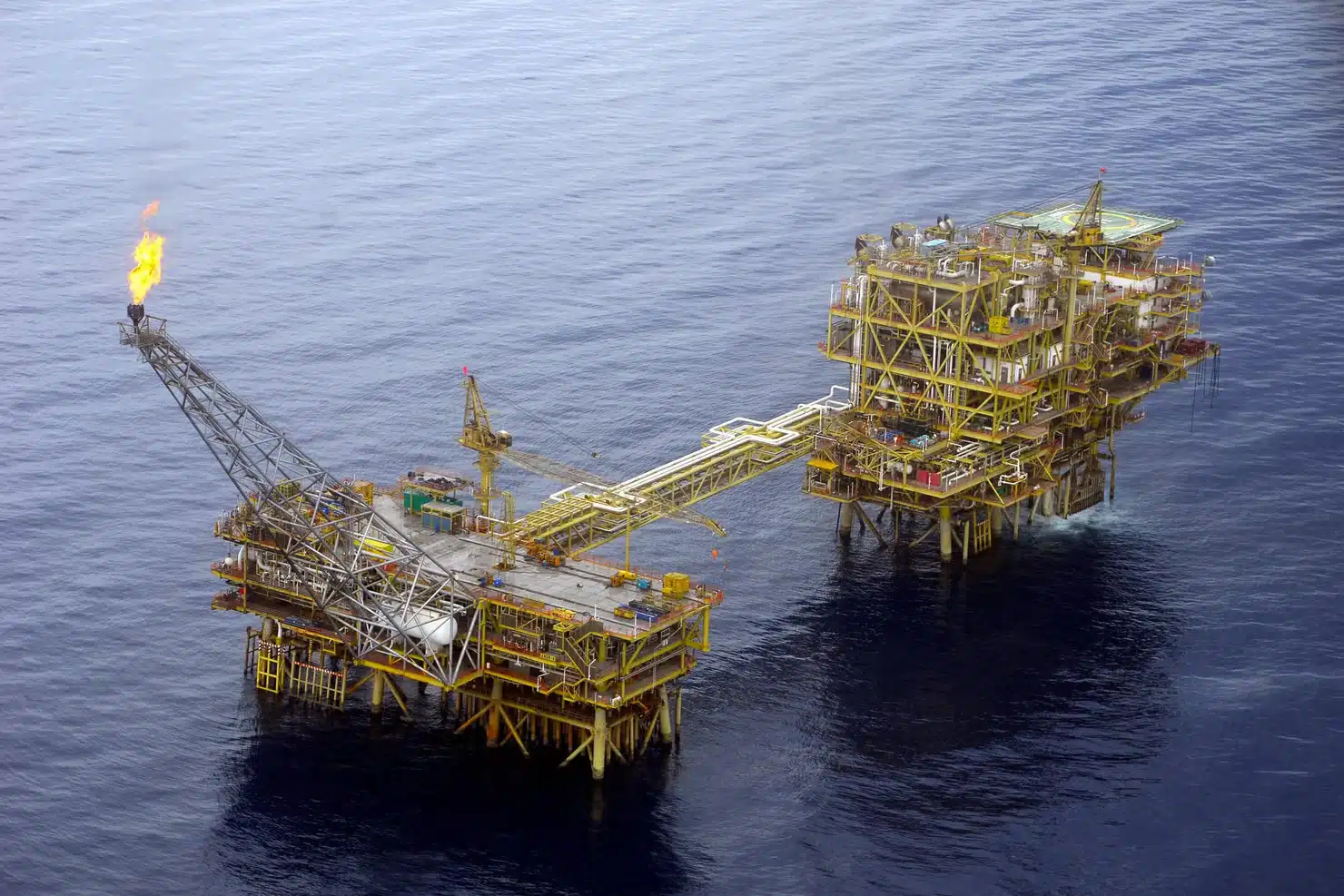
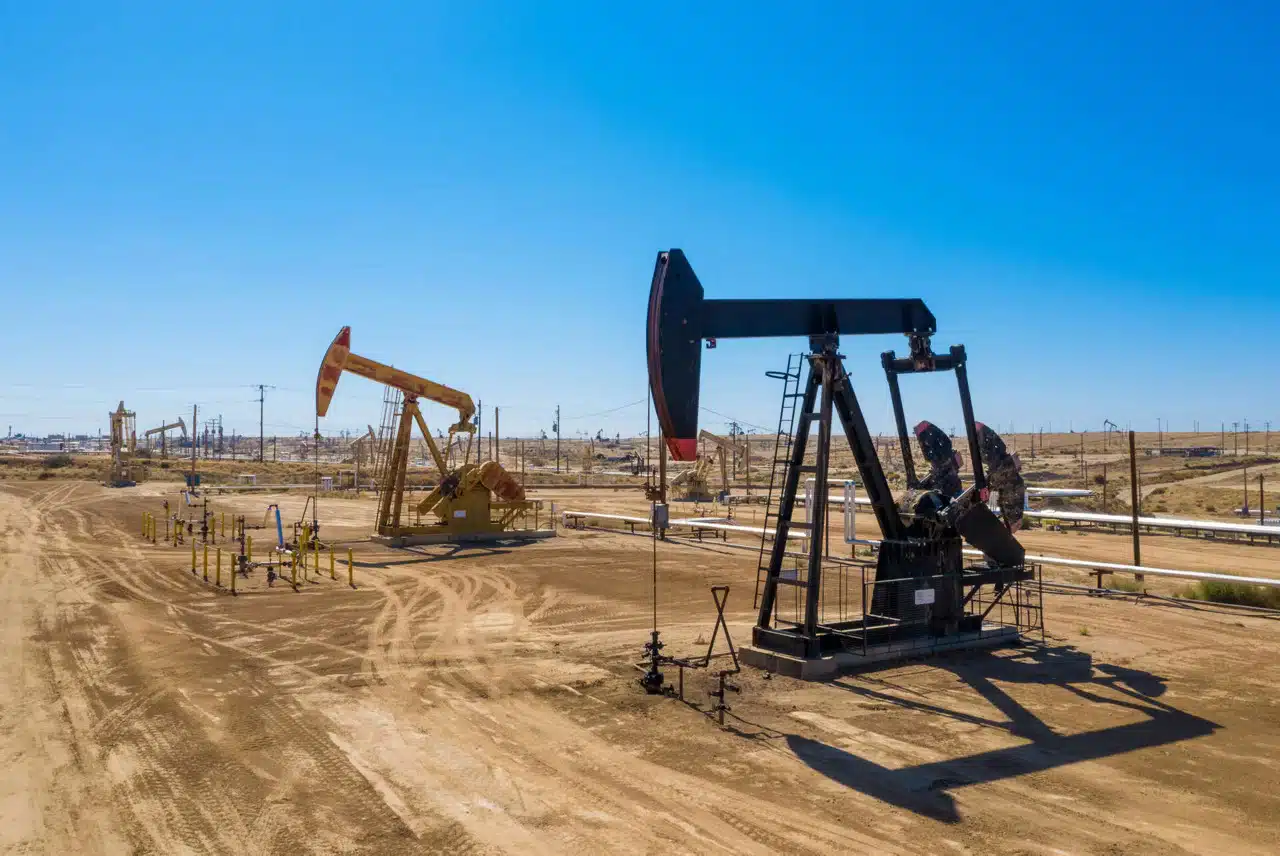
Moreover, Ghana is not an oil economy in any meaningful sense. It imports about 70 per cent of its refined fuel, and it produces a modest 100,000 barrels of crude per day, putting it firmly in the category of countries that feel global energy shocks rather than profit from them.
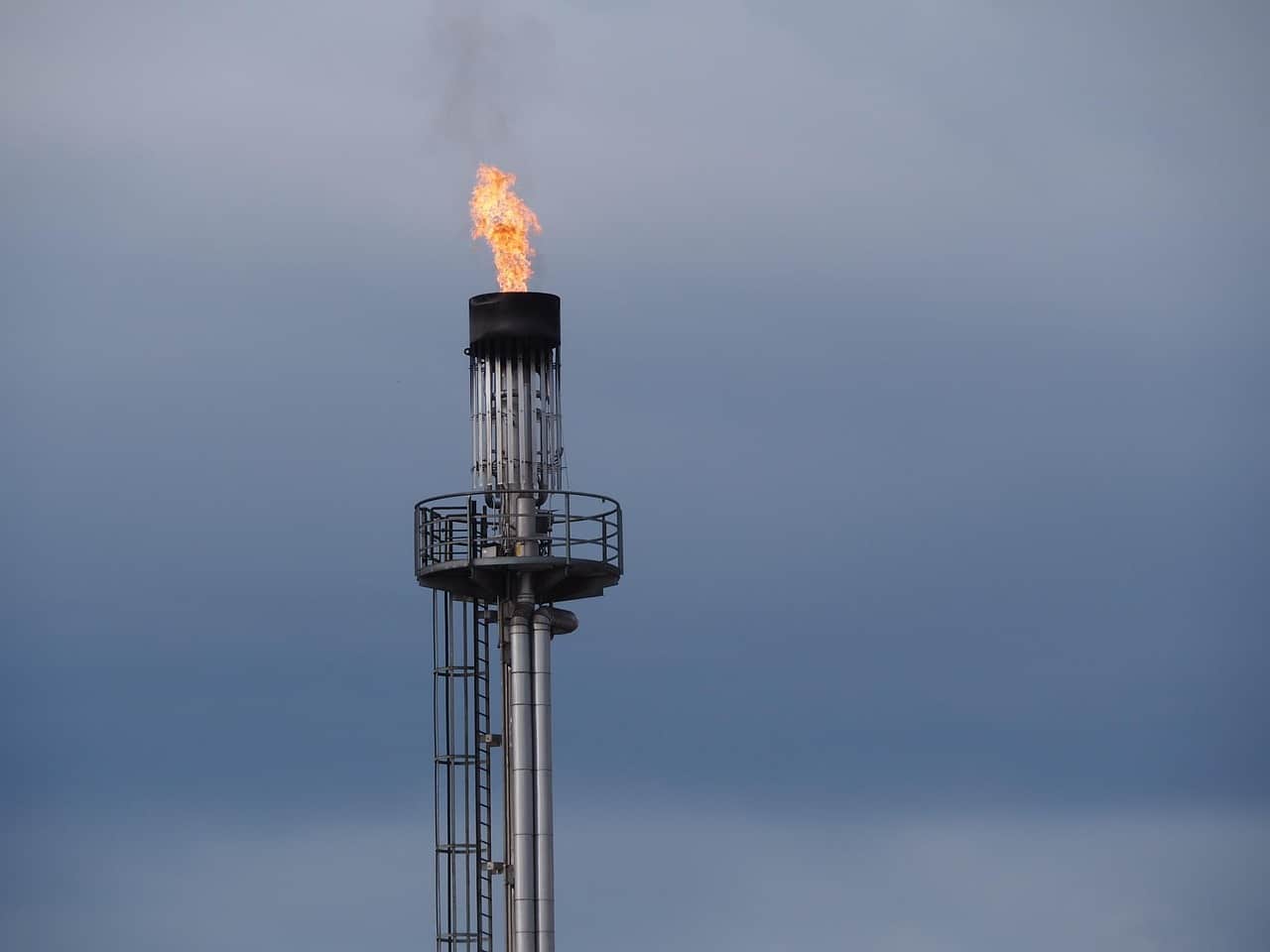
When the U.S.-Israel war with Iran escalated in late February 2026 and disruptions in the Strait of Hormuz sent Brent crude surging above $100 per barrel, Ghana had almost no cushion.
The National Petroleum Authority raised mandatory minimum price floors for the April 1 to 15 pricing window, pushing petrol up roughly 15 per cent to GH₵13.30 per litre and diesel up roughly 19 per cent to GH₵17.10 per litre.
Locally, the impact was immediate. LPG rose by 37 per cent, diesel by 28 per cent, and petrol by 24 per cent within the same pricing cycle.
In addition, the inflation data for April told its own story. Headline inflation edged up to 3.4 per cent, from 3.2 per cent in March, marking the first uptick since December 2024. Petrol prices had surged by 17.2 per cent between March and April, sharply increasing transportation and logistics costs across the economy.
It is a small number, that 0.2 percentage point rise. But the direction matters more than the size. After fifteen consecutive months of falling inflation, any reversal carries symbolic weight, and the structural risks it signals are real.
The levy dilemma: cushion or cost?
Ghana’s response to the fuel shock reveals the bind it is in.
About 26 per cent of the cost of petrol at the pump comes from government levies. These include the Energy Fund Levy, the Road Fund Levy, the Special Petroleum Tax, and a Debt Recovery Levy introduced specifically to service foreign loans. Removing or reducing any of them would lower pump prices. It would also punch a hole in state revenue at a moment when Ghana is still under IMF fiscal targets.
At an emergency Cabinet meeting on 9 April 2026, President Mahama directed the Finance Minister and Energy Minister to engage stakeholders and implement a temporary reduction in selected taxes and margins on petroleum products, with the measures effective before the next pricing window on 16 April.
The government followed through. On April 15, it adjusted tax margins in the petroleum price build-up, reducing petrol by 36 pesewas per litre and diesel by GH₵2 per litre.
The relief was partial. Transport operators had hoped for more but accepted what was on the table. The GPRTU suspended its planned fare increases and announced it would maintain the current fare structure following the government’s intervention.
It was a narrow escape. The deeper problem remains.
Ghana’s fuel levy structure includes:
- The Road Fund Levy, channelled toward road infrastructure
- The Special Petroleum Tax, a direct revenue instrument
- The Energy Fund Levy, supporting the energy sector
- The Debt Recovery Levy, introduced to service external loans
- Industry margins covering marketers, dealers, and the Unified Petroleum Price Fund
Each levy serves a purpose. Removing them is not simply a matter of political will. It means choosing between cheaper fuel today and the fiscal consolidation commitments that underpinned Ghana’s entire recovery narrative.
As Ziblim Olisah, an investment banker and energy analyst, told Energy in Africa:
“Government needs the money to settle its foreign debts and raise revenue. Deciding whether to allow market forces to determine prices or cutting some of its major sources of income would mean choosing between the devil and the deep blue sea.”
What fuel prices mean for everything Else
Energy makes up roughly 15 per cent of Ghana’s inflation basket, not counting transport. That figure alone understates the transmission risk, because transport underpins almost every other price in the economy.
Road transport accounts for over 90 per cent of the movement of goods and people in Ghana, meaning rising fuel costs translate directly into cost-push inflation across the board.
Logistics companies report that fuel now accounts for nearly 50 per cent of total operating costs. Autoline
Fresh tomato prices surged by 34.3 per cent month-on-month in April, driven largely by cross-border trade disruptions and transportation bottlenecks. Food inflation had been one of Ghana’s most reliable anchors in its disinflation story, falling to just 2.2 per cent.
That anchor is now loosening.
Mensah Caleb, an Accra-based energy analyst, put it in perspective.
“We have seen some marginal increase in transport fares in key cities and commercial areas across the nation,” he said.
“Some transporters are under the GPRTU which regulates prices heavily, so they cannot increase fares the way drivers might wish. But the pressure is building.”
The concern is not just what April’s numbers show, but what May and June might bring if crude prices remain elevated. Non-food inflation had already accelerated to 4.2 per cent in April from 3.9 per cent in March, largely on account of fuel prices.
The disinflationary momentum that made Ghana a standout story is now running against a headwind it did not create and cannot fully control.
A recovery that deserves to survive the test
Ghana’s situation in mid-2026 is not a crisis. It is a stress test, and a timely reminder of how fragile recoveries can be when they depend partly on external conditions remaining favourable.
The fundamentals that drove the turnaround have not disappeared. The cedi retains much of its strength. Gold prices remain elevated. The IMF programme, which Ghana is on track to exit, has provided the fiscal discipline that kept the recovery credible.
But the energy vulnerability is structural, not cyclical. Ghana imports nearly all of its refined fuel.
Its levy base is tied to that fuel. And its transport network, which moves food, workers, and goods across the country, runs almost entirely on diesel and petrol.
Until those structural dependencies change, whether through domestic refining capacity, regional supply arrangements, or a diversified energy mix, global oil shocks will continue to arrive at Ghanaian pump stations with force.
Whether the government’s levy adjustments are enough to hold the inflation line depends on how long the current energy shock lasts.
If Strait of Hormuz disruptions ease and Brent crude retreats, Ghana’s disinflation story could resume where it left off.
If they persist, the choices will become harder: absorb the fiscal cost of deeper levy cuts, or watch the hard-won single-digit inflation numbers begin to climb.
For Abena Asante, boarding her trotro in Tema, the policy calculus is distant. She knows her fares held this month. She is watching to see whether they hold next month too.