


On a Tuesday morning in Surulere, Lagos, Emeka Okafor arrived at a petrol station before 6 a.m. He had left home early to beat the crowd. By the time he filled his 2010 Toyota Corolla, he had spent more than he earned in a single day of driving his car as a taxi. “I work to buy fuel now,” he said. “Not to feed my family.”
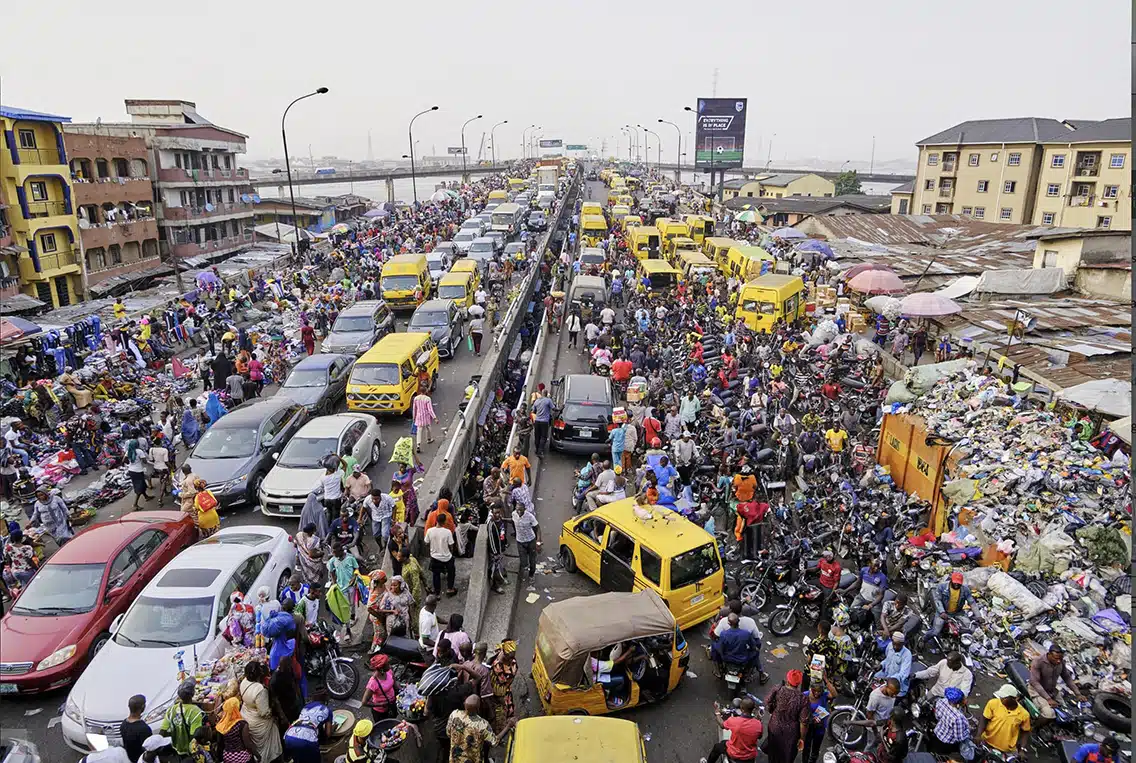
He is not alone. Across Nigeria, from the mechanics of Aba to the market women of Kano, the same story repeats itself. Fuel prices have become the subject of every conversation, and the relief that many Nigerians were promised never came.
Petrol now sells at around N1,300 per litre in major Nigerian cities, up from N800 per litre at the start of the year.
The national average climbed from N830.5 in August 2024 to a peak of N1,261.7 in March 2025, with prices remaining elevated well above N1,000 since.
For a country of over 200 million people, the majority of whom live on less than $2 a day, this is not an economic statistic. It is a daily crisis.
Nigerians pay a premium for their own oil
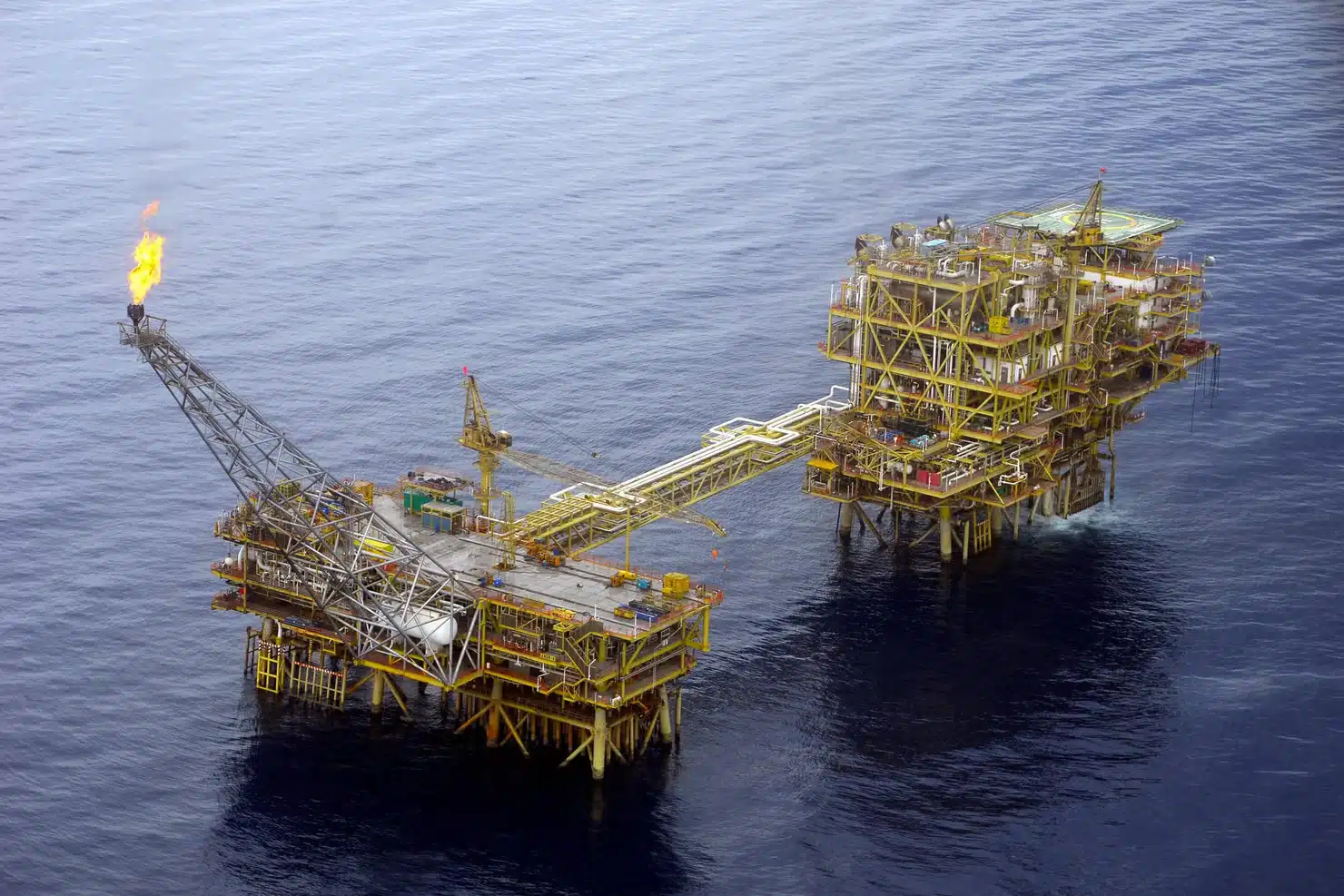
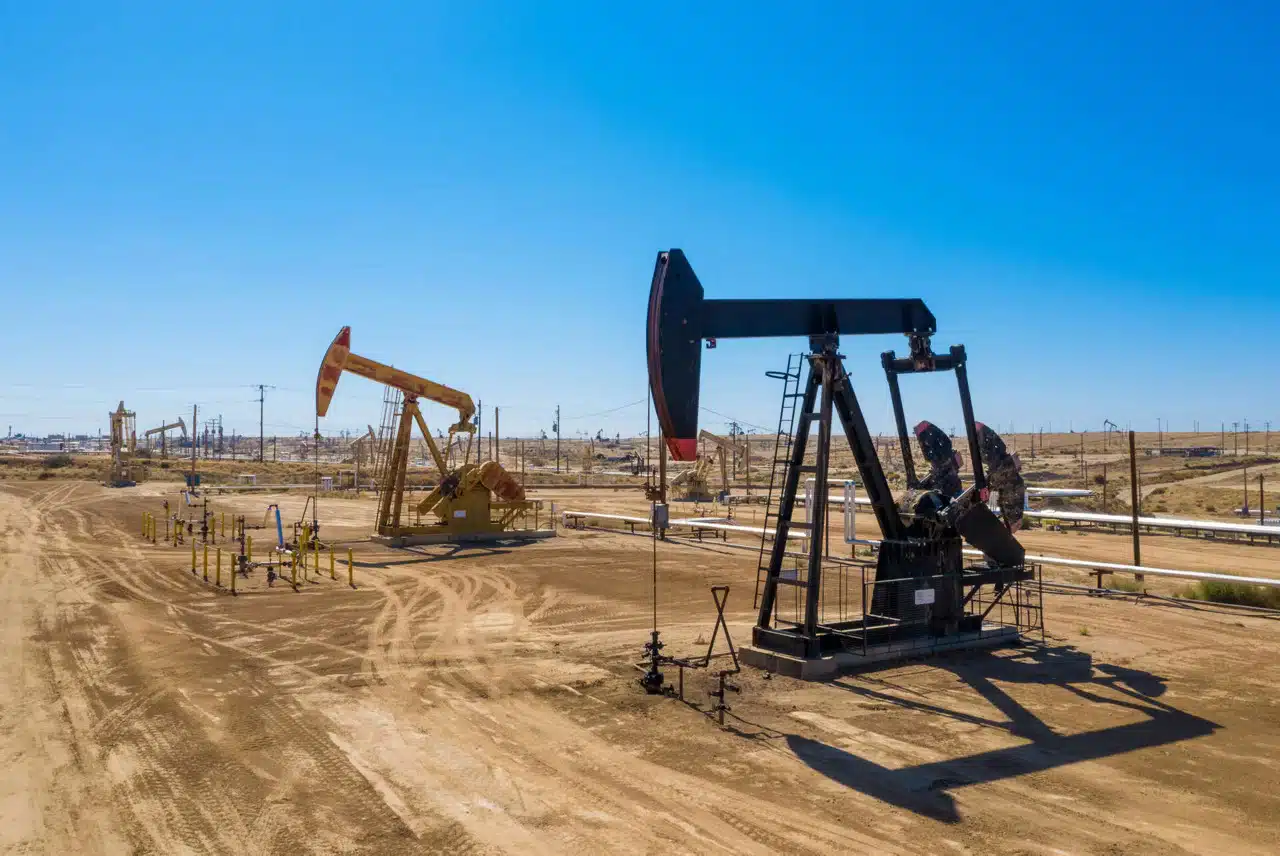
What makes Nigeria’s situation peculiar is not just the price, but the context. Nigeria is Africa’s largest crude oil producer. It sits on some of the continent’s largest proven reserves. And yet its citizens pay among the steepest fuel prices on the continent.
The surge places Nigeria ahead of peer economies such as Rwanda, Tanzania, Malawi, and South Africa in terms of fuel price escalation, highlighting what economists describe as a structural paradox in the country’s energy market. Oil-rich states on the continent tend to shield their citizens from the worst of global price swings.
Libya sells fuel at less than $0.03 per litre. Algeria and Angola keep prices low through active subsidy frameworks.
Nigeria, by contrast, despite its oil wealth and recent steps toward local refining, remains exposed in ways that other African producers are not.
The comparison with neighbouring Ghana is instructive. Ghana, which imports most of its refined products, has managed more price stability through a structured pricing formula. Nigeria, which removed its fuel subsidy in May 2023 under President Bola Tinubu, left millions of citizens exposed to full market prices without a credible plan to stabilise supply domestically.
Here is how Nigeria’s pump prices compare with some of its continental neighbours:
- Libya: approximately $0.03 per litre, heavily subsidised
- Algeria: below $0.40 per litre, state-controlled pricing
- Angola: below $0.60 per litre, with partial subsidy retention
- Ghana: approximately $0.85 to $0.95 per litre
- Nigeria: N1,200 to N1,300 per litre, equivalent to approximately $0.80 to $0.90 per
litre at current exchange rates, with no price ceiling
The numbers look deceptively close to Ghana in dollar terms, but the naira’s weakness relative to average incomes makes the burden far heavier for ordinary Nigerians.
Why the Dangote refinery in’t providing a buffer
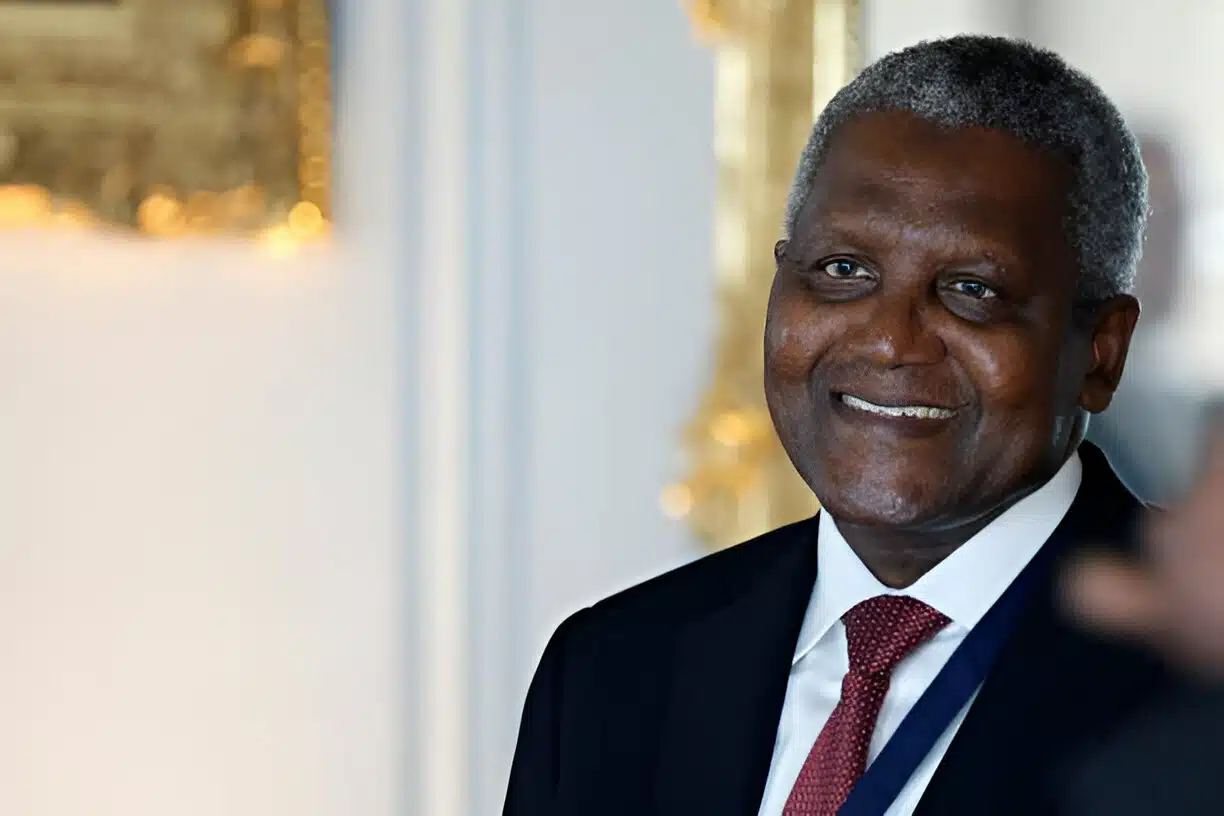
When Aliko Dangote’s 650,000-barrel-per-day refinery in Ibeju-Lekki came onstream, many Nigerians believed prices would fall. It was the largest single-train refinery in the world. It was built in Nigeria, for Nigeria. The expectation was straightforward: local refining would cut dependence on imports and bring down pump prices.
It has not worked out that way, and the reasons are largely structural.
From the inception of a government-backed crude supply arrangement, the Nigerian National Petroleum Company Limited consistently failed to deliver the allocated 350,000 barrels per day to the Dangote refinery.
At best, NNPC supplied 120,000 barrels per day, and by February 2025, supply had halted entirely.
Between October 2025 and mid-March 2026, the refinery received only 29.21 million barrels against a requirement of 108.74 million barrels over the same period — a supply performance of just 26.9%. To keep its operations running, the refinery turned to international markets.
In 2025 alone, the Dangote refinery imported foreign crude worth $3.74 billion from countries including Brazil, the United States, and Algeria.
That crude was purchased in dollars, on international markets, at international prices.
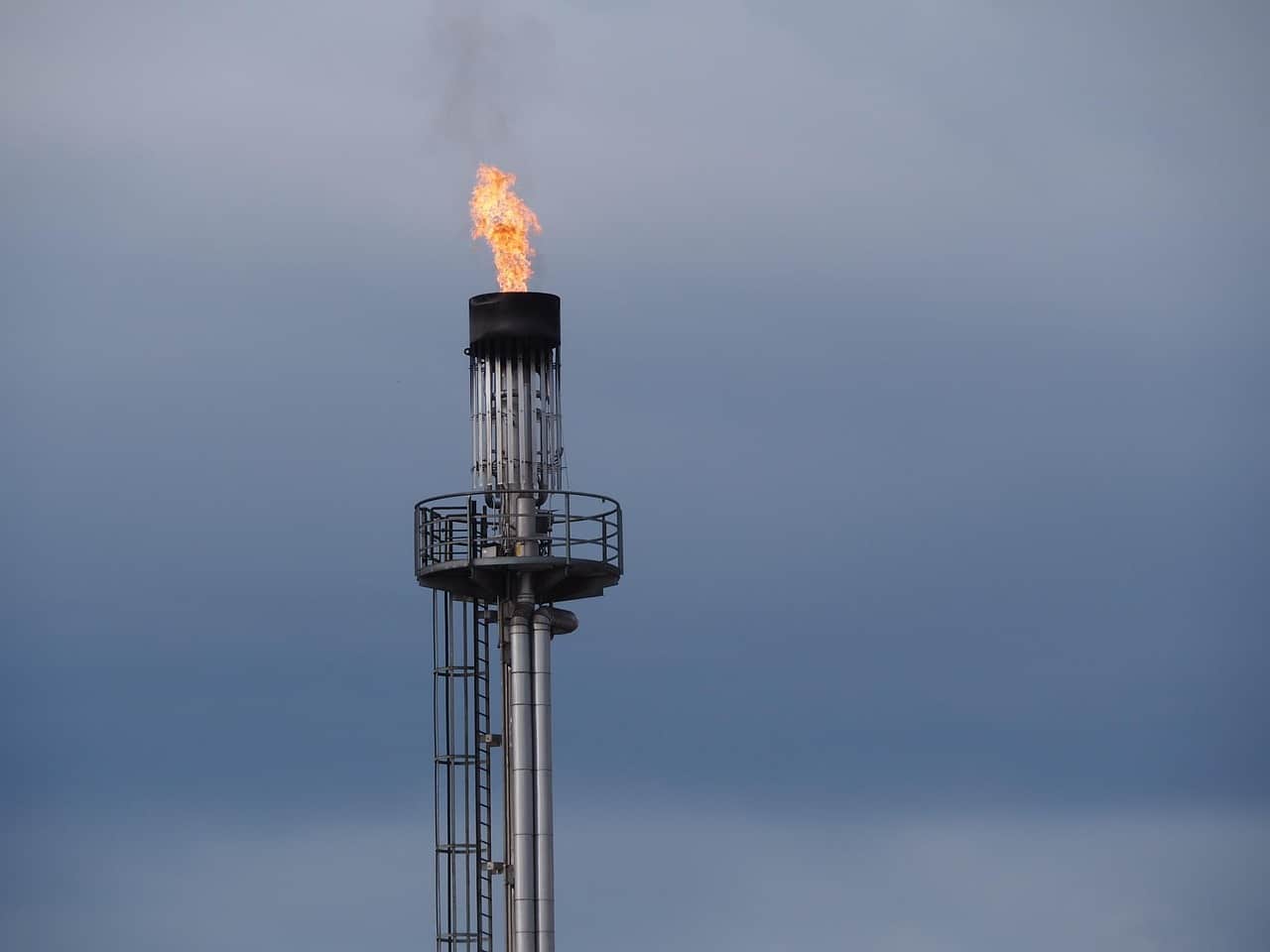
The effect was predictable. A refinery built to reduce Nigeria’s exposure to global price swings became, through crude shortfall, as exposed to those swings as the import terminals it was meant to replace.
There is also a dispute over responsibility. Sources within NNPC and upstream producers argue that the refinery has consistently been offered more crude than it chooses to buy, and that what is offered is often double what it purchases.
They say Dangote declines volumes because Nigerian crude grades are priced higher than the imports it brings in.
The refinery disputes this account. What is not disputed is the result: Nigerians continue to pay full global market prices for fuel from a refinery that was supposed to change that.
Fuel prices hit everything else
In Nigeria, fuel is not just fuel. It powers the generators that keep businesses running in the absence of reliable grid electricity. It moves goods from farms to markets. It determines what a bus ride costs, and therefore what food costs, and therefore what everything costs.
The average cost of preparing a pot of jollof rice for a family of five in Nigeria rose to N30,435 in the first quarter of 2026, a 19.4 per cent increase in six months, according to a report by SBM Intelligence.
The firm linked the surge directly to rising fuel prices and logistics costs driven by global energy shocks.
The ripple effects show up in the data:
- Transport prices in Nigeria rose 16.9% year-on-year in March 2026, up from 14.7% in February, among the steepest increases in the inflation basket.
- A 50kg bag of rice now sells for approximately N61,000, while frozen chicken costs around N6,000 per kilogram.
- Nigeria’s headline inflation reversed its 11-month downward trend in March 2026, rising to 15.38%, with fuel described as one of the most powerful transmission channels in the country’s inflation structure.
Adaeze Nwosu, a Lagos-based development economist, puts it plainly. “Fuel price inflation in Nigeria does not stay in the fuel sector,” she said. “It spreads through every supply chain in the country within weeks. You raise the price of fuel, you raise the price of everything that moves, and in Nigeria, everything moves by road.”
The manufacturers feel it too. Companies that rely on diesel-powered generators — which is most of them — have seen energy costs consume a growing share of margins. Many have passed the cost onto consumers. Others have cut output or let staff go
The war that made everything worse
Nigeria’s fuel crisis did not begin with the Middle East. But what was already a difficult situation became significantly harder when conflict escalated there in early 2026.
The escalation of the U.S.-Israel war with Iran in late February 2026 sent fuel prices rising sharply across the world, reflecting fears of prolonged disruptions to shipments through the Strait of Hormuz, a key chokepoint for global oil flows.
Global oil supply fell by 10.1 million barrels per day to 97 million barrels per day in March, with attacks on energy infrastructure in the Middle East and restrictions on tanker movements through the Strait of Hormuz contributing to what the International Energy Agency described as the largest supply disruption in history.
Brent crude surged more than 55% from the start of the conflict, hitting nearly $120 a barrel at its peak. For an economy that had just removed fuel subsidies and left pump prices fully exposed to global crude movements, the timing could not have been worse.
The World Bank projected that Brent crude could average $86 a barrel in 2026, up sharply from $69 a barrel in 2025, with the possibility of reaching $115 if disruptions persisted.
Inflation in developing economies was forecast to average 5.1% in 2026 as a result, a full percentage point higher than previously expected.
Nigeria sits at a strange intersection of this crisis. As a crude exporter, it earns more when oil prices rise. Its government revenues improve. Foreign exchange reserves benefit. Yet its citizens pay more at the pump, on food, on transport, on everything. The country profits and suffers simultaneously from the same shock.
Emeka Eze, a petroleum economist based in Abuja, describes this as the defining contradiction of Nigeria’s energy economy. “Nigeria has never resolved the question of who the oil belongs to,” he said.
“The government benefits from high crude prices as a seller. The population suffers from them as a buyer of refined products. Until that contradiction is settled through structural reform, price shocks will always hurt Nigerians more than anyone else.”
Months later, the government keeps quiet
What has been notably absent from Nigeria’s fuel crisis is a coherent government response. No price stabilisation mechanism has been announced. No emergency supply arrangement has been put in place. No timeline has been given for when Nigerians might expect relief.
The Tinubu administration removed the fuel subsidy with a promise that the savings would be redirected to infrastructure and social spending.
Federal officials estimated that eliminating the subsidy prevented a fiscal crisis, arguing it could have consumed up to 76% of the 2026 budget had it remained in place.
That argument has fiscal merit. But it does not explain why no buffer mechanism was designed for precisely the kind of global price shock that has now materialised.
Nigeria’s inflation climbed to nearly 35% in late 2024 before moderating to around 15% in early 2026, driven largely by fuel price increases, naira depreciation, and food supply disruptions.
Despite the moderation, prices remain significantly elevated for the country’s more than 140 million multidimensionally poor.
Analysts warn that even if global oil prices ease, Nigerians may not feel it quickly. Prices in Nigeria’s economy tend to adjust upward rapidly but decline very slowly, a phenomenon economists call price stickiness. The gains from any future price drop, in other words, will not arrive at the speed that the increases did.
The irony of Nigeria’s position is almost complete. It produces oil. It built a refinery. It removed a subsidy that it said was distorting the market. And it still finds itself unable to offer its citizens fuel at a price that does not consume their earnings before they leave the forecourt.
Will it ever come to an end?
For people like Okafor in Surulere, the policy debates in Abuja are distant. He fills his tank when he can, drives when the numbers make sense, and parks when they do not. He is waiting, like most Nigerians, for an answer that has not come.
The honest answer to whether this ends soon is: not quickly, and not without deliberate choices the government has so far avoided making. Global crude prices may ease if the Middle East ceasefire holds and Strait of Hormuz traffic normalises.
The Dangote refinery, if it finally receives consistent crude supply, could introduce some competition into the market and put modest downward pressure on pump prices.
What stands between Nigerians and cheaper fuel is not just geopolitics. It is also domestic crude allocation system that still does not reliably serve the country’s own refinery. It is a deregulated market with no price buffer for supply shocks.
And it is a government that removed a subsidy without building the downstream infrastructure to replace what that subsidy, however imperfectly, used to do. Until those gaps are closed, any relief will be temporary.
The next global shock, whatever its cause, will land the same way this one did.