


The Africa Sustainable Energy Centre (ASEC), an energy think tank, has warned that Ghana could lose up to $2 billion annually if its ongoing electricity challenges persist.
This was contained in a press release where the think tank raised concerns over the impact of frequent power outages on key sectors of the economy.
The centre described the situation as a “national economic emergency”.
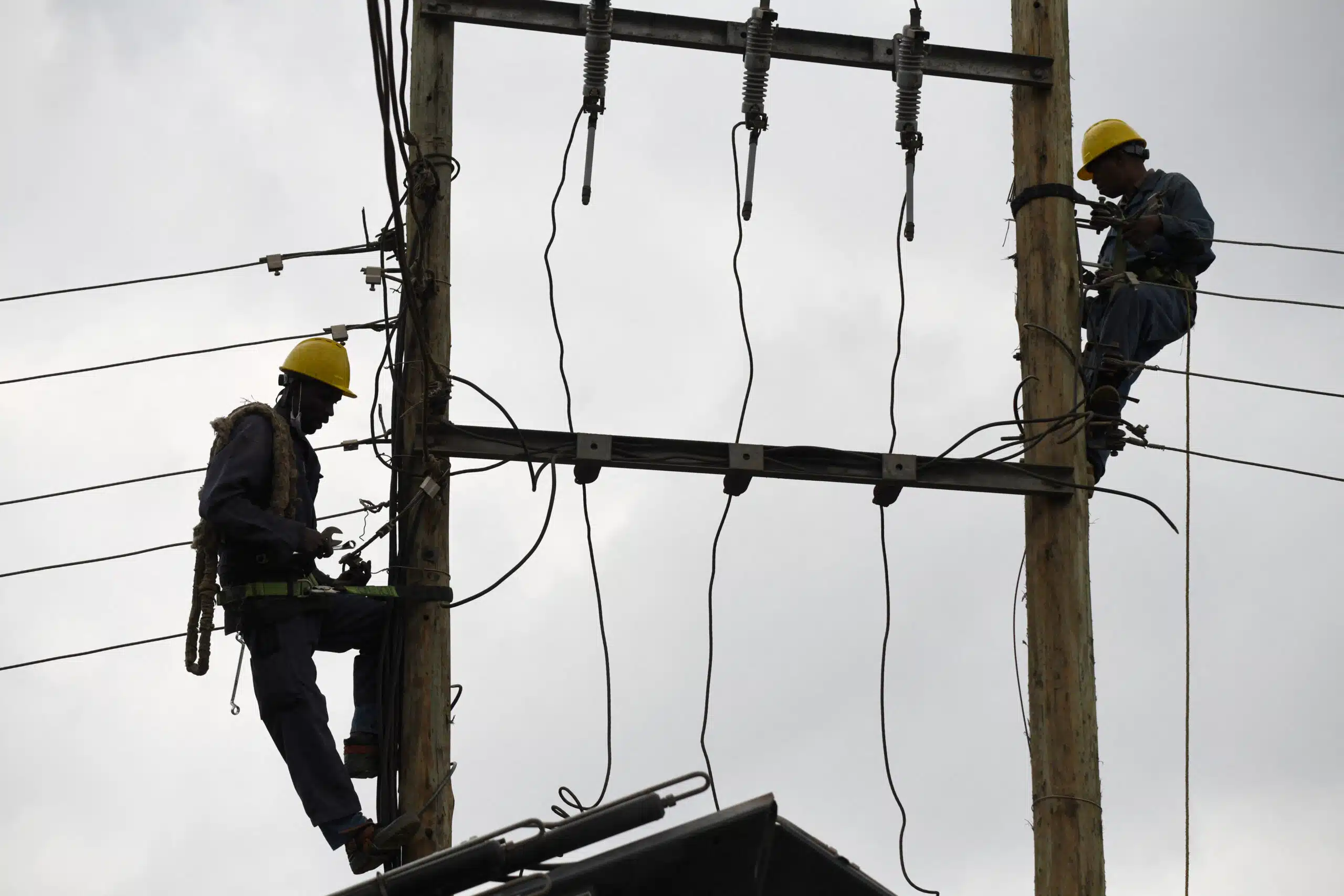
According to ASEC, industries including manufacturing, healthcare, education, and small businesses are already facing operational disruptions due to unreliable electricity supply.
It noted that many businesses have been forced to rely on backup generators to sustain operations, significantly increasing costs, and reducing productivity.
Ghana’s current electricity challenges come against the backdrop of a long history of recurring outages, widely referred to as dumsor.
The country experienced severe power shortages between 2012 and 2016, which disrupted economic activity and strained households and businesses.
However, recent developments suggest that similar patterns are re-emerging. Power supply interruptions have been linked to fuel constraints, infrastructure limitations, and financial pressures in the energy sector.
ASEC’s Executive Director, Justice Ohene-Akoto, said the situation requires urgent attention.
“Electricity is essential for any modern economy to function effectively. Persistent outages are not just an inconvenience; they directly affect productivity, investment, and national growth,” he said.
Impacts from power supply interruptions
The impact of the outages is already being felt across multiple sectors. ASEC stated that small and medium-sized enterprises are among the hardest hit, as they often lack the financial capacity to sustain prolonged reliance on alternative power sources.
Industry data notes that manufacturers, on the other hand, face production delays and increased maintenance costs due to damage to sensitive equipment caused by unstable power supply.
The think tank stated that continued disruptions could lead to job losses and slower industrial growth
“Many businesses are operating below capacity due to inconsistent electricity. The cost of running generators, coupled with equipment damage, is eroding profitability,” the statement noted.
Structural gaps in power sector resurface
ASEC attributed the power supply issues to a combination of longstanding structural challenges within Ghana’s power sector. These include limited generation capacity, irregular fuel supply to thermal plants and weak transmission systems.
The Centre also highlighted revenue collection challenges within the Electricity Company of Ghana, noting that power theft and billing inefficiencies continue to affect the financial stability of the sector.
According to Ohene-Akoto, addressing these issues requires both technical and institutional reforms.
“The challenges in the power sector are complex, but they are not insurmountable. What is required is a coordinated approach backed by strong political will,” he said.
The way forward
To address the situation, ASEC outlined a six-point plan aimed at stabilizing power supply and improving sector performance. The recommendations include the adoption of artificial intelligence for predictive maintenance to reduce unexpected equipment failures.
The think tank also proposed the deployment of smart meters to improve revenue collection and reduce losses, alongside potential strategic private sector participation in electricity distribution.
In addition, ASEC called for increased investment in renewable energy sources such as solar and wind, while maintaining a stable fuel supply for thermal power plants.
“Delaying action will only increase the economic damage. Ghana has the technical capacity to build a stable and sustainable energy system, but timely investment and decisive action are critical,” Ohene-Akoto added.
The Centre further emphasized the need to modernize aging transmission and distribution infrastructure, as well as promote energy efficiency to reduce pressure on the national grid during peak periods.