


Namibia and Angola have signed agreements for a cross-border electricity project valued at about $244 million, aimed at linking their national grids and expanding power trade in southern Africa.
The deal, signed in Luanda earlier on Friday, covers the development of the Angola–Namibia Power Interconnection Project (ANNA).
NamPower, Namibia’s national utility, and Angola’s transmission operator, Rede Nacional de Transporte de Electricidade, signed a joint development agreement and a power purchase agreement to advance the project.
Speaking at the signing ceremony, Namibia’s Minister of Industries, Mines and Energy, Modestus Amutse, said the project is central to the country’s long-term electricity plans.
“As a country with growing energy demand, securing a reliable, affordable and sustainable electricity supply remains a national priority.
“The ANNA project will play a key role in diversifying our energy mix, reducing supply risks and supporting long-term economic development,” he said.
The ANNA project has been under consideration since 2017, following earlier feasibility studies and regional planning under the Southern African Power Pool (SAPP).
It is designed to address infrastructure gaps that have limited electricity trade between countries in the region.
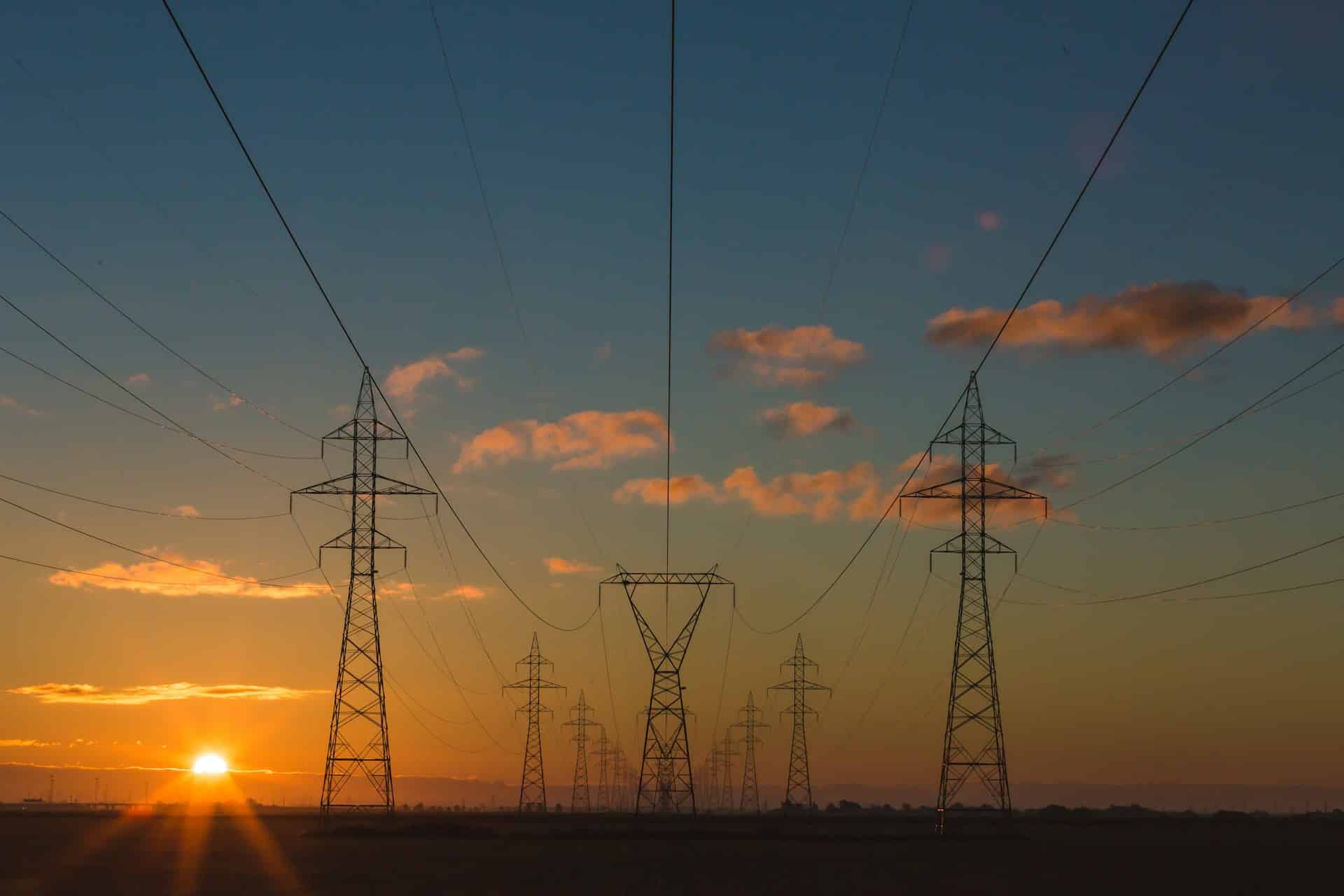
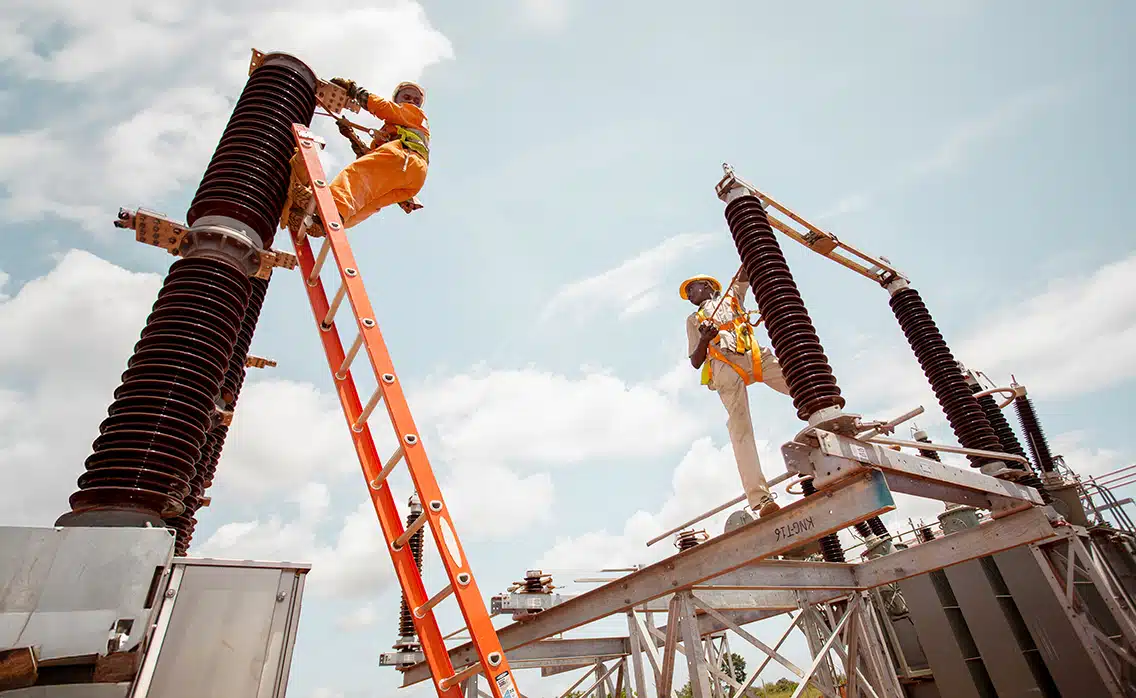
At its core, the project involves the construction of a 166-kilometre, 400 kV transmission line connecting Namibia’s Kunene region to Cahama in Angola.
Additional infrastructure, including substations and voltage control systems, will support electricity flow across the network.
A separate 270-kilometre transmission line within Namibia, linking Omatando and Otjikoto, is also planned to reinforce the domestic grid and integrate the cross-border supply.
Amutse noted that progress on the agreements follows engagements between both governments earlier this year, with the project targeted for completion by 2029.
Addressing supply gaps and export constraints
Namibia currently relies on imported electricity and is subject to supply disruptions from neighbouring countries.
The interconnector is planned to provide an additional source of power as demand increases
Meanwhile, Angola has expanded its electricity generation capacity in recent years, including investments in hydropower and other energy sources. Limited transmission infrastructure has limited its ability to export electricity.
Amutse said the project would allow Angola to use more of its available generation capacity
“By linking Angola to the Southern African Power Pool, the project enhances regional connectivity and unlocks the full potential of cross-border electricity trade,” he said.
NamPower managing director Kahenge Haulofu described the agreement as a response to regional supply and demand conditions.
“This project is a practical response to rising energy demand and supply constraints in the SADC region,” he said.
What lies ahead
Namibia’s Cabinet has approved funding for the country’s share of the project through the National Energy Fund, covering infrastructure within its borders.
The funding will support the engineering, procurement and construction of the transmission line from Angola into Namibia, along with associated network upgrades.
“Signing these agreements is merely the beginning. Our focus must now move to implementation. I encourage all parties to maintain momentum and ensure effective coordination,” Amutse said.
The interconnector component alone is estimated at about $52 million, while broader infrastructure investments are expected to raise the total project cost to approximately $220 million.
What you should know
The project is also expected to connect Angola more directly to the Southern African Power Pool, a regional platform that facilitates electricity trading among member countries.
Participation in the pool allows countries to buy and sell electricity based on supply and demand, helping to manage shortages and improve grid stability.
For Namibia, which remains a net importer of electricity, the interconnector provides an additional supply route. For Angola, it creates an avenue to export surplus power into the regional market.
Amutse said cooperation in the energy sector remains critical for addressing shared challenges, adding that regional integration is essential to energy security, economic development, and climate resilience.