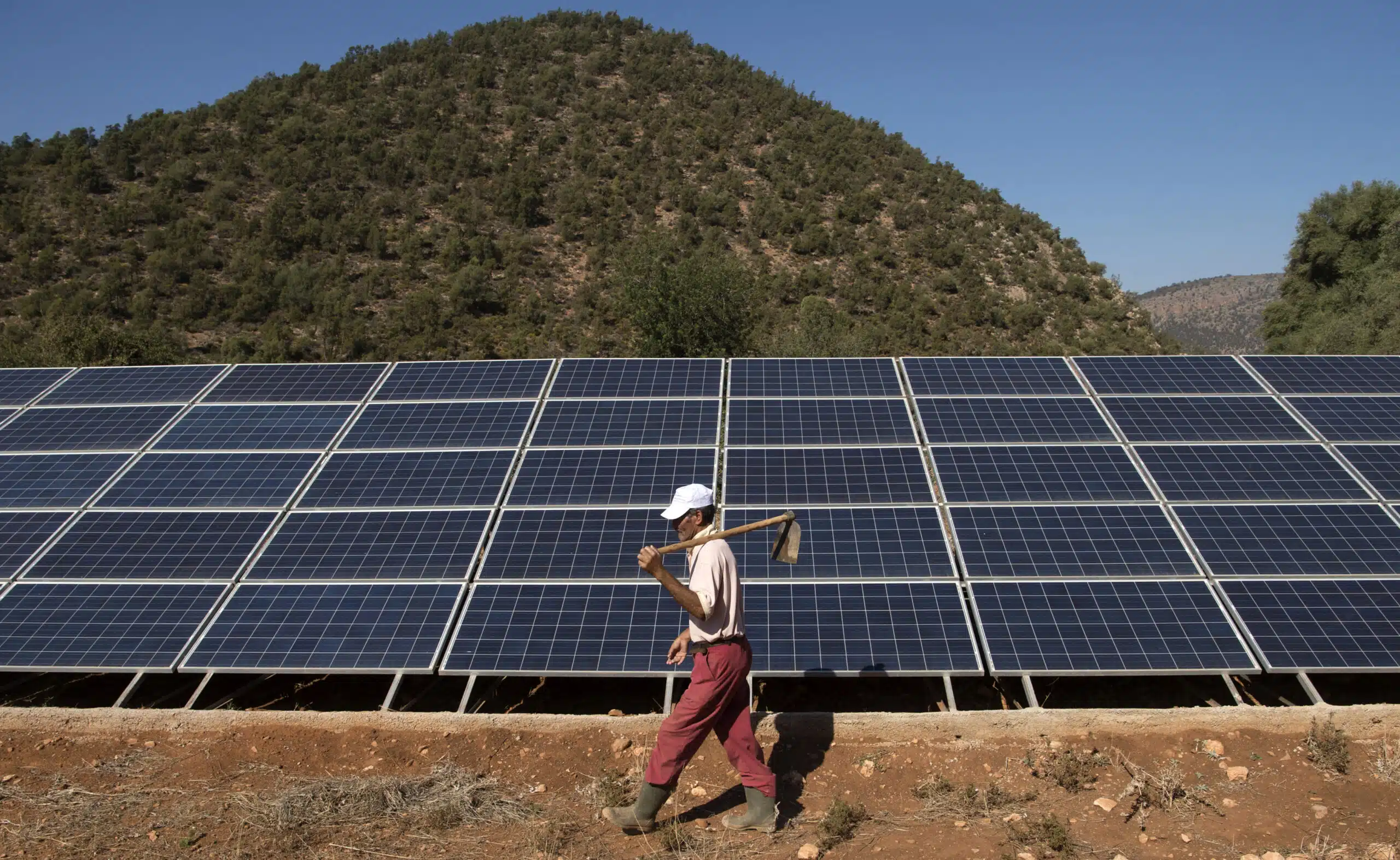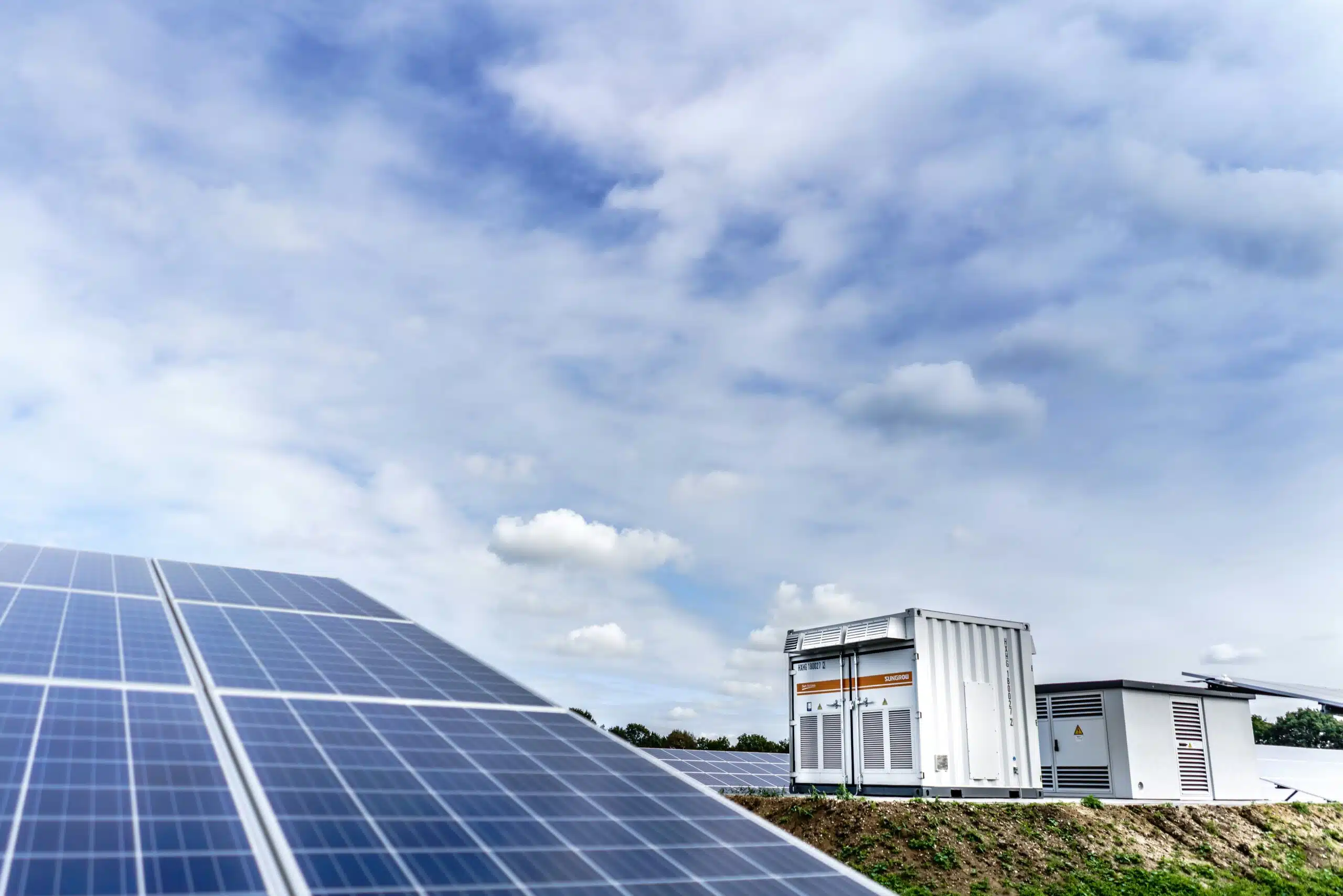



The Rockefeller Foundation and the World Bank have expanded a programme to deploy solar-powered agricultural equipment across six African countries including Kenya, Nigeria, Ethiopia, Sierra Leone, Uganda, and the Democratic Republic of Congo.
The initiative aims to improve farm productivity by providing tools such as solar-powered cold rooms, refrigerators, water pumps, and grain mills.
The programme, managed by Clasp, a Washington DC-based nonprofit focused on energy efficiency, completed a two-year pilot phase and is now being rolled out at full scale.
Addressing energy access challenges
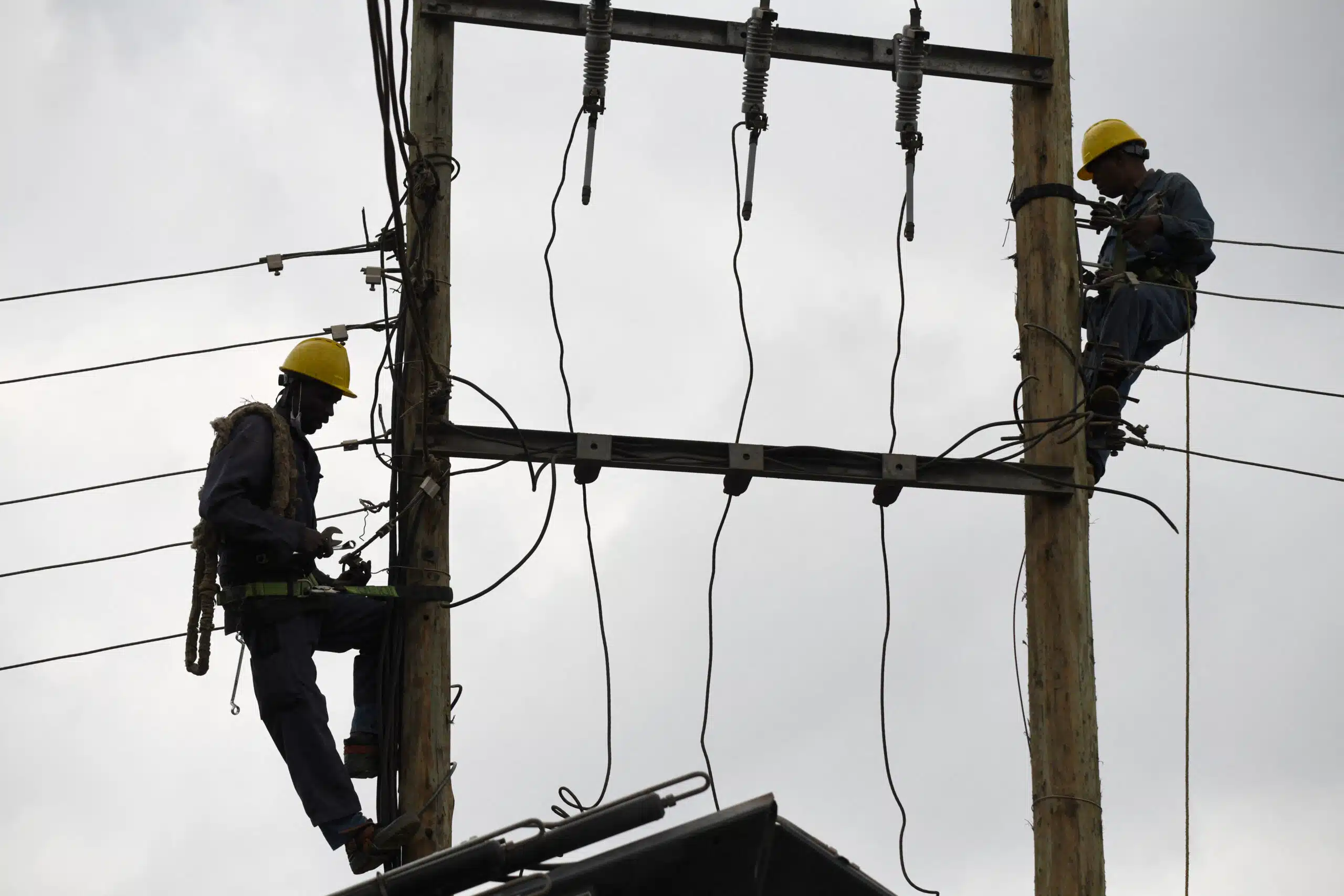
The project operates under the Productive Use Financing Facility (PUFF), part of Mission 300, and the African Development Bank to bring electricity to 300 million Africans by 2030.
Sub-Saharan Africa has nearly 600 million people without electricity, representing more than 80% of the global population lacking power.
According to the World Bank, Mission 300 will use a combination of on-grid, mini-grid, and off-grid solar solutions to provide electricity to households and farmers.
The programme provides grants, subsidies, and technical assistance to suppliers and distributors to make solar equipment affordable and accessible to rural communities.
During the pilot phase from 2022 to 2024, PUFF supported 24 businesses, including SokoFresh, a Nairobi-based company running solar-powered cold rooms for storage and export of farm produce.
Rajiv Shah, president of the Rockefeller Foundation, said the programme is designed to scale across countries and support innovations that governments and partners can expand.
“There is always the ability to scale that up. There’ll be more resources country by country as well. We finance the innovations and the new projects and the new ideas that governments and the World Bank and others can take to scale.”
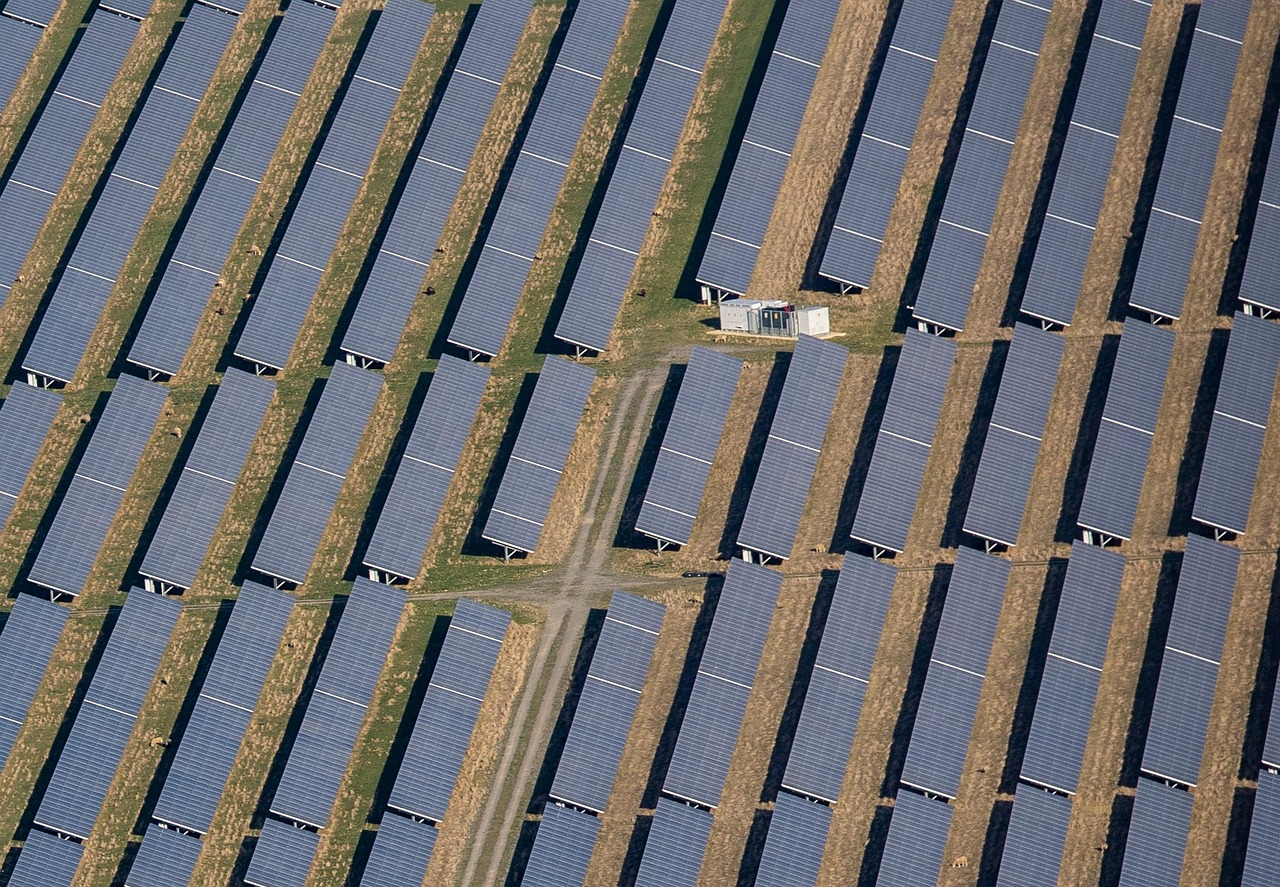
World Bank commits $50 million for Nigerian solar farms
The World Bank has allocated $50 million to support the rollout of solar-powered agricultural equipment in Nigeria, including cold rooms, water pumps, and grain mills. The Rockefeller Foundation may provide additional funding to complement the initiative.
Through the Productive Use Financing Facility (PUFF), the programme provides technical and financial assistance to suppliers and distributors, helping farmers in off-grid and underserved areas access solar-powered tools.
The initiative includes cold rooms, water pumps, and grain mills, enabling irrigation, storage, and processing in regions where conventional electricity is limited.
The programme specifically targets rural farmers who often cannot afford such technologies on their own, ensuring they can benefit from solar solutions to improve productivity and reduce post-harvest losses.
Looking ahead
Following the pilot phase, PUFF will move to full-scale deployment across the six countries. The Rockefeller Foundation and the World Bank will monitor expansion to ensure solar-powered equipment reaches farmers in off-grid and underserved regions.
The programme is part of a broader strategy to integrate energy access with agricultural development.
By providing solar-powered refrigeration, irrigation, and milling equipment, the initiative seeks to improve the availability and quality of farm produce for both local consumption and export.
Shah emphasized that collaboration with local suppliers, governments, and development partners is essential to ensure equipment is maintained and used effectively by farmers.