


The government of Egypt has signed three agreements to develop renewable energy projects and battery storage facilities with a combined capacity of 5,620 megawatts (MW), as part of efforts to expand clean energy generation.
The deals were signed under the supervision of Prime Minister Mostafa Madbouly, while Minister of Electricity Mahmoud Esmat said the projects align with the country’s long-term energy strategy.
According to details reported by Al Youm Al Sabea, the agreements cover wind and solar power projects as well as a large-scale battery storage facility.
The projects are expected to be developed through partnerships involving both local and international companies.
Wind project anchors first set of deal
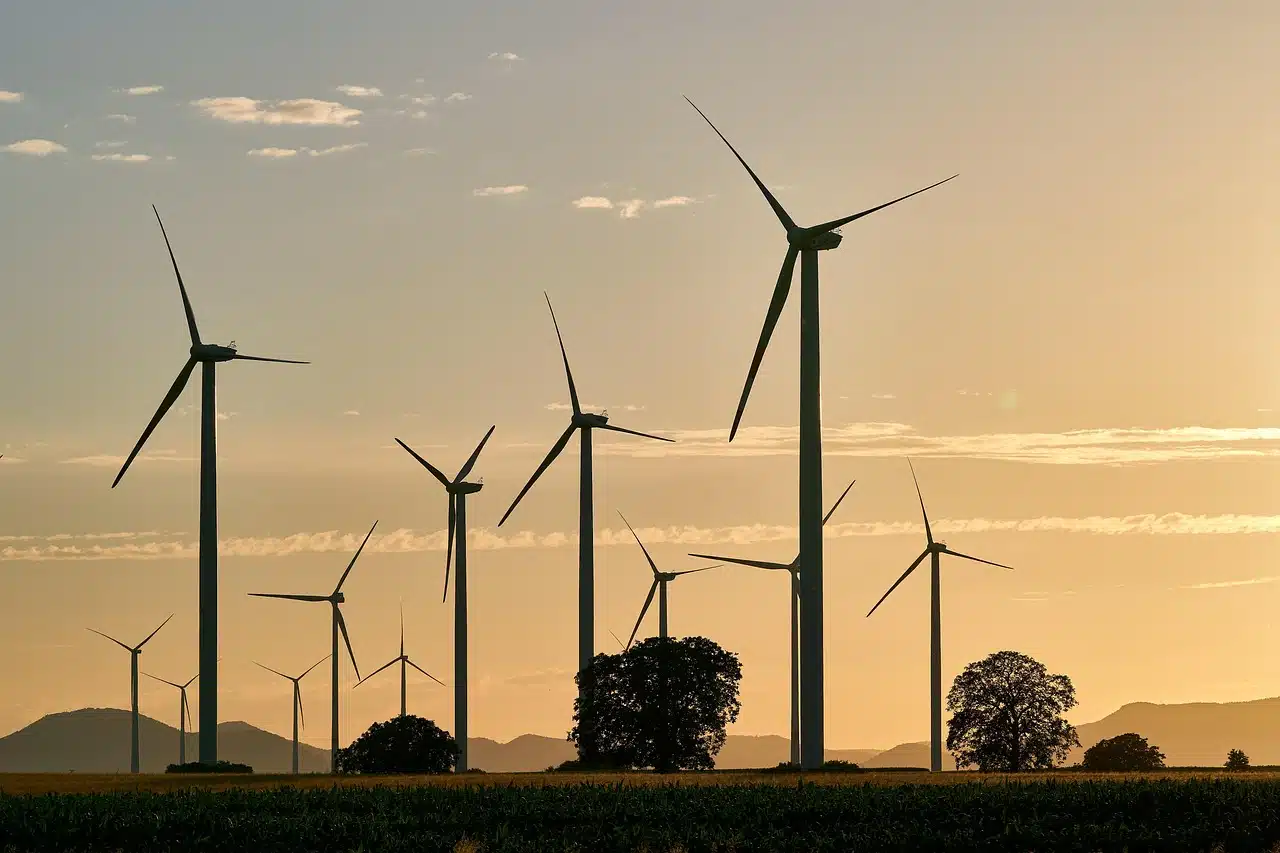
One of the agreements includes a land lease deal for a 900MW wind project in Ras Shukeir.
The project will be developed by a consortium comprising Orascom Construction, Engie, and Toyota Tsusho through its subsidiary Alifos.
The partners will operate under the project company Shukeir Wind Energy. A separate agreement was also signed for the purchase of electricity generated from the same facility.
The structure follows existing frameworks in Egypt’s power sector, where private developers build and operate projects while selling electricity under long-term agreements.
Solar and storage projects expand capacity
A third agreement, signed with Egypt United for National Industries (Kemet Group), covers multiple projects across different locations.
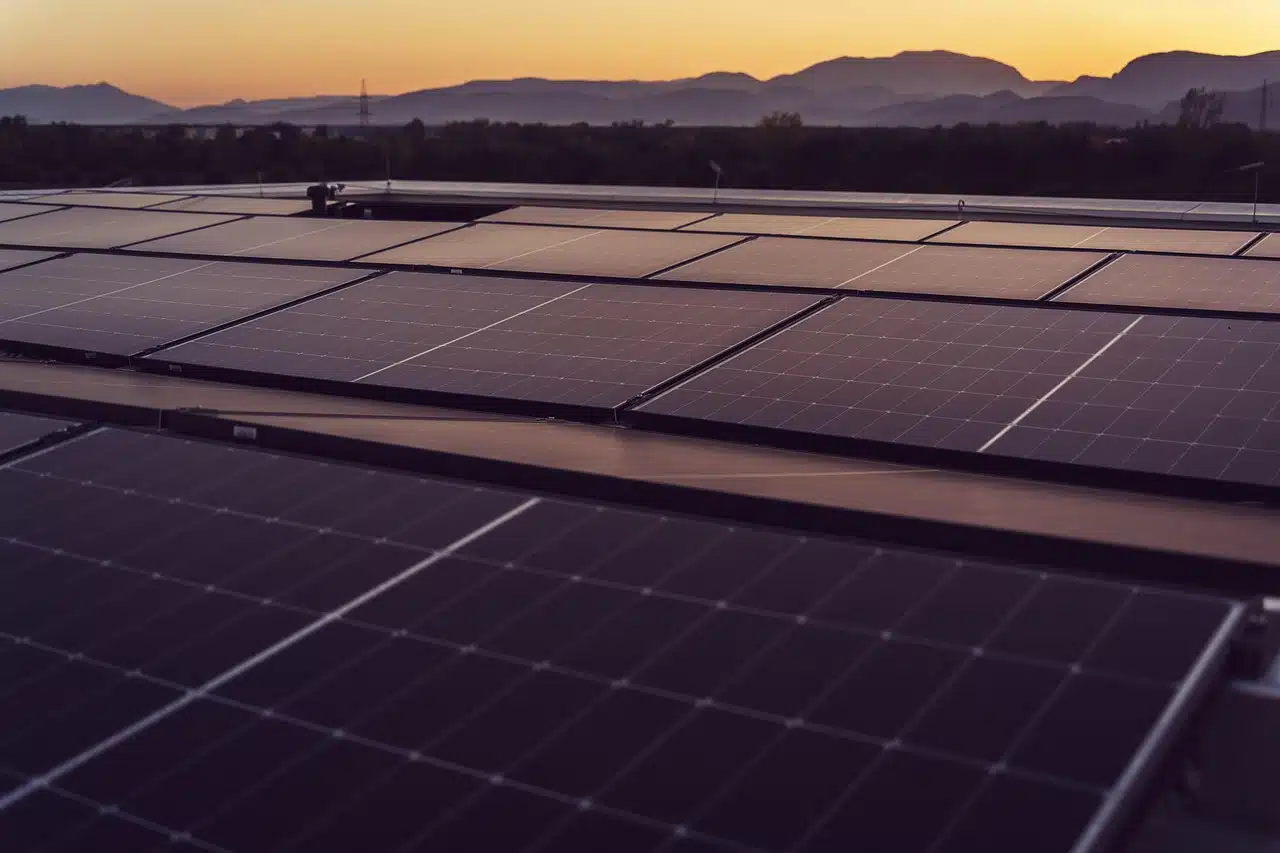
These include a 2,000MW solar power plant in Nagaa Hammadi and a 2,000MWh standalone battery storage facility in the same area. Additional solar projects with capacities of 320MW and 400MW are planned for El Oweinat.
Esmat said the projects are part of efforts to diversify electricity sources and integrate storage systems into the grid.
“The new projects will support efforts to reduce reliance on fossil fuels, cut carbon emissions, and enhance grid stability through battery storage systems,” he said.
He added that the agreements also aim to encourage private sector participation and support the localisation of energy technologies.
The Minister of Electricity said the agreements are aligned with Egypt’s national energy targets.
“These projects come within the framework of the state’s plan to increase the share of renewable energy in the energy mix to more than 42% by 2030 and 65% by 2040,” Esmat said.
He noted that expanding renewable capacity remains a priority as electricity demand continues to grow across the country.
Meanwhile, officials at the signing ceremony reiterated that partnerships with international developers remain central to executing large-scale projects.
What you should know
Egypt’s energy strategy targets a steady increase in renewable energy capacity over the next two decades. Solar and wind projects form the core of this plan, supported by policy frameworks designed to attract foreign investment.
Battery storage is increasingly being included in new projects as authorities seek to manage fluctuations in renewable generation and maintain grid stability.
The country experienced electricity shortages around 2014, which led to rapid investment in thermal plants to stabilise supply. Authorities have since pursued diversification of the energy mix through solar and wind projects.
One of the largest projects is the Benban Solar Park in Aswan, with a capacity of about 1.6GW, developed with support from multiple international investors. The project established a model for large-scale renewable development.
In recent years, the government has continued to adopt similar structures, allowing private developers to build and operate power plants while supplying electricity to the national grid.