


The government of Ghana has announced plans to procure 200 megawatts (MW) of battery energy storage systems as part of efforts to stabilise the national electricity grid and manage peak demand.
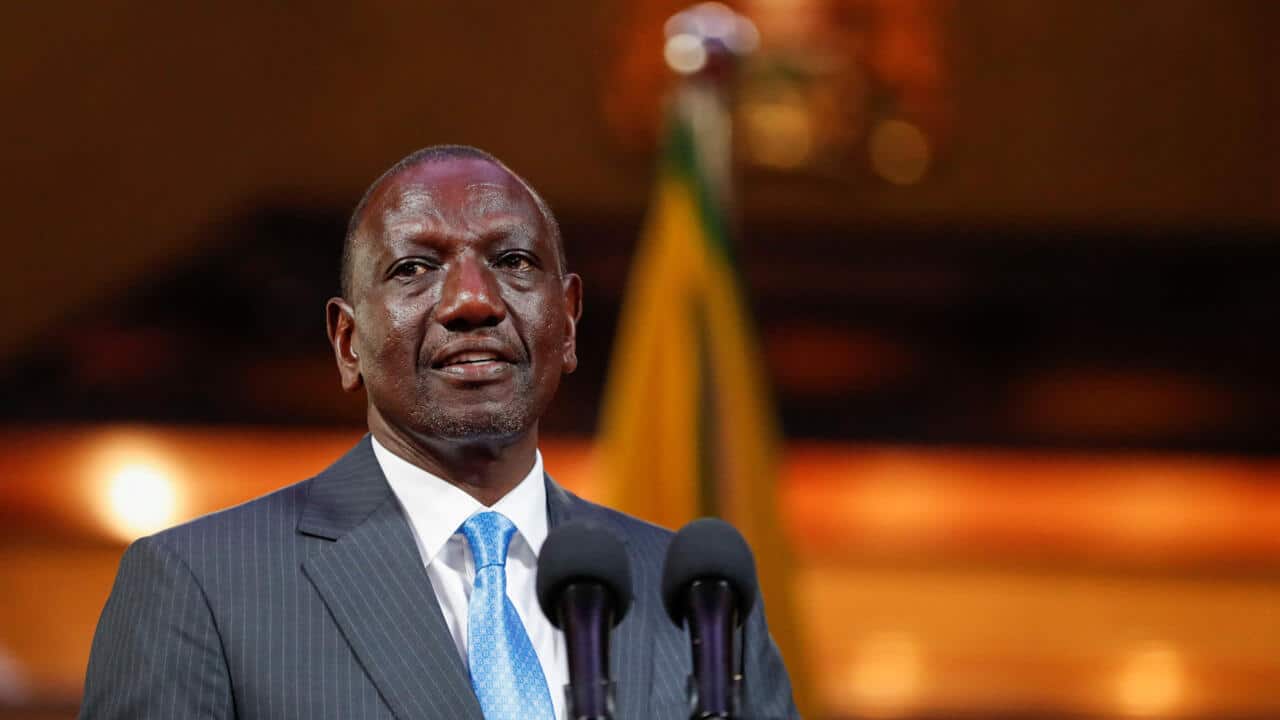
The disclosure was made in Parliament in mid-March 2026 by the Minister for Energy and Green Transition, John Abdulai Jinapor.
The project will be awarded through a competitive bidding process. Specific locations and storage durations have not been disclosed.
According to the Minister, the battery systems are expected to support electricity supply during peak hours, particularly at night, while improving integration with renewable energy sources.
What they are saying
Jinapor said the procurement forms part of broader efforts to reduce pressure on Ghana’s power system and limit dependence on thermal generation.
He noted that the initiative would help manage peak-time electricity demand more efficiently and reduce the cost burden associated with fuel-powered plants.
“The procurement of battery energy storage systems is central to our strategy to stabilise the grid and ensure reliable power supply during peak demand periods,” he said.
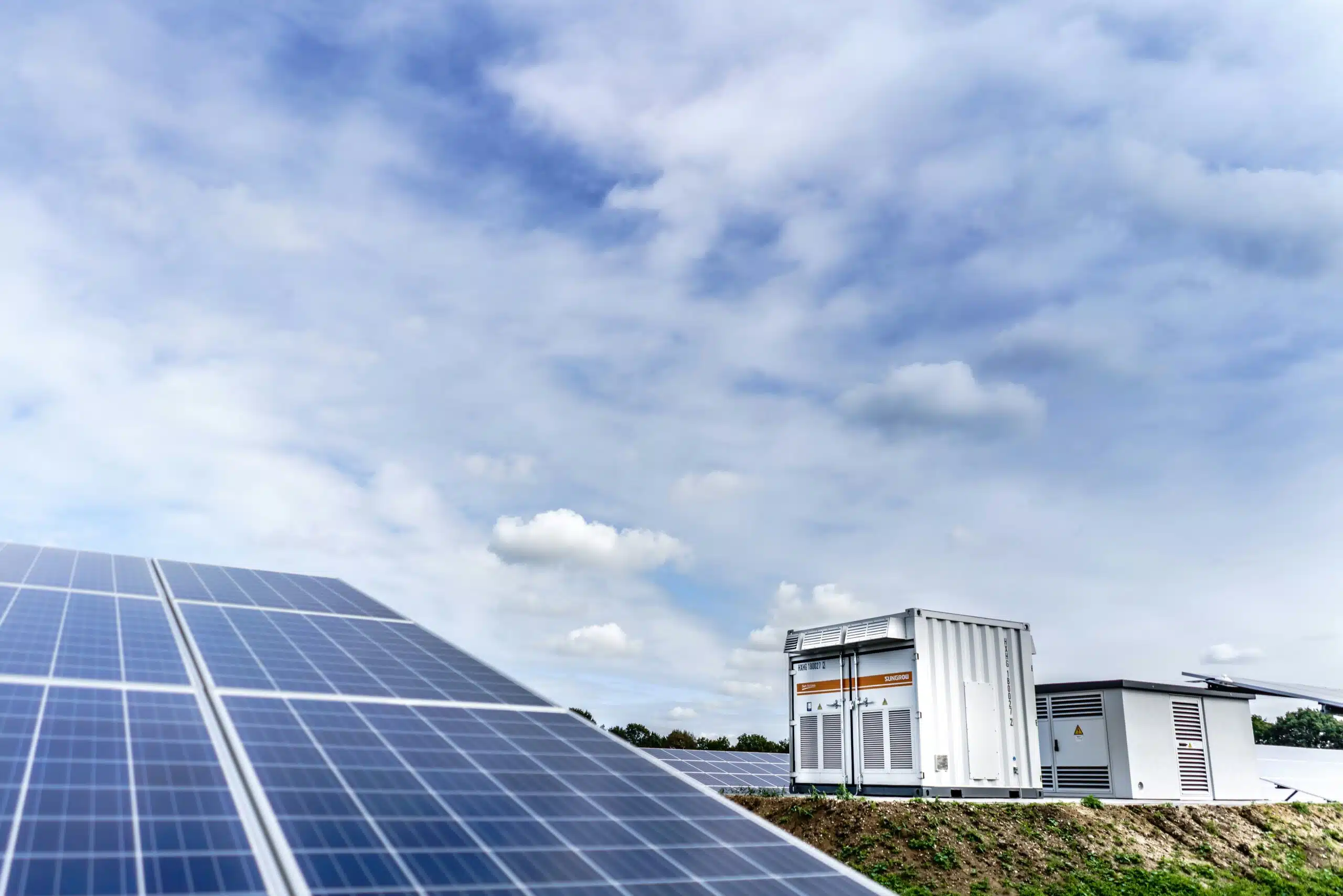
He added that the systems would support the use of renewable energy by storing excess power generated during the day for use at night.
The Minister also pointed to the financial implications of current energy supply challenges, noting that Ghana records an annual fuel deficit of about $700 million due to reliance on thermal generation.
From limited storage to large-scale deployment
The planned 200MW capacity represents a significant increase from Ghana’s existing battery storage, which stands at about 10 megawatt-hours (MWh).
While the government has not provided a timeline for delivery, the scale of the proposed systems suggests a shift toward large-scale storage deployment within the national grid.
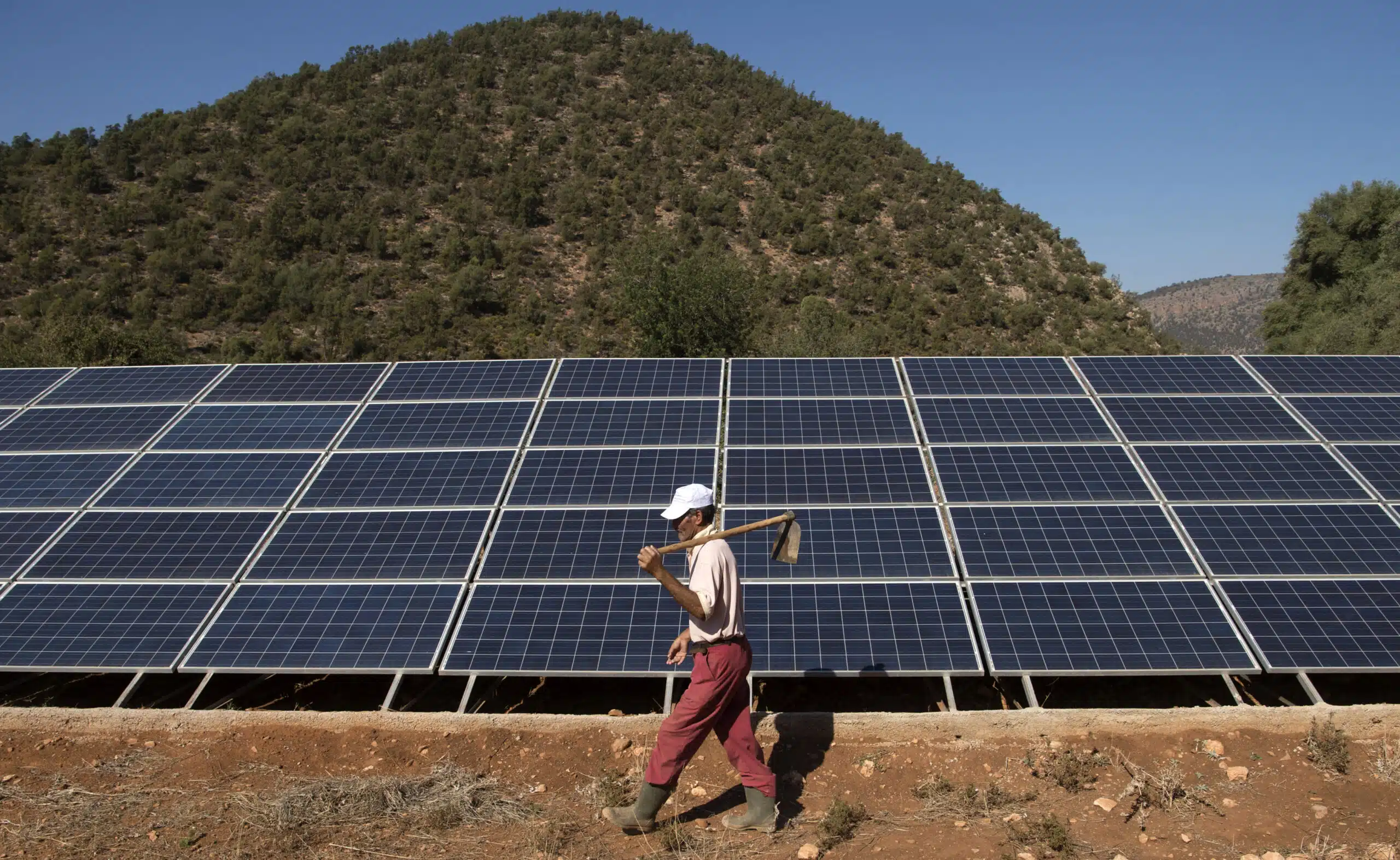
Meanwhile, the procurement is expected to complement existing and planned utility-scale solar projects across the country. Ghana has expanded its solar capacity in recent years as part of efforts to diversify its energy mix.
However, solar generation remains limited to daylight hours, creating supply gaps during evening peak periods. The introduction of battery storage is expected to address this constraint by allowing stored energy to be dispatched when demand is highest.
Addressing long-standing power challenges
Ghana’s power sector has faced recurring challenges over the years, including supply shortfalls linked to hydropower variability and fuel constraints affecting thermal plants.
These issues have, at different times, resulted in widespread outages, placing pressure on businesses and households.
In response, the country increased its reliance on thermal power plants to stabilise supply. However, this has come with higher operational costs due to fuel imports and price volatility.
The planned battery systems are expected to reduce the need to run thermal plants during peak periods, particularly when fuel costs are highest.
The government said the initiative will be supported by the Renewable Energy and Green Transition Fund, which is being operationalised to finance projects aimed at transforming Ghana’s energy sector.
Jinapor noted that the battery procurement aligns with national energy targets, including achieving 99% electricity access by 2030 and increasing the share of renewable energy in the generation mix over the long term.
He said the integration of storage infrastructure is necessary to support these goals and ensure that renewable energy can be used more effectively within the grid.
The bottom line
Battery energy storage systems are increasingly being adopted globally to support grid stability and improve the reliability of renewable energy.
In Ghana’s case, the technology is expected to play a role in balancing electricity supply and demand, particularly as solar capacity continues to grow.
The country’s current energy mix remains dominated by thermal and hydropower generation. However, ongoing investments in solar and other renewables are gradually expanding the role of clean energy.
The addition of battery storage introduces flexibility into the system, allowing grid operators to store excess power and deploy it when needed.
For Ghana, the planned 200MW procurement represents one of the largest storage initiatives in the region, coming at a time when countries are seeking to improve energy security while managing costs.