


West African nation, Ghana, has declared a slash in electricity and water tariffs, aiming to ease pressure on households and support businesses facing rising living and operating costs.
The Public Utilities Regulatory Commission (PURC), the agency responsible for setting water and power tariffs, announced the reduction on Wednesday, noting that it will take effect from April 1, 2026.
In its press statement, PURC noted that electricity tariffs have been cut by an average of 4.81%, while water tariffs have been reduced by 3.06% for the second quarter of the year, according to its 2026 Second Quarter Tariff Review Decision.
The new rates represents changes in key economic indicators, including exchange rate movements, inflation trends, fuel costs, and the electricity generation mix.
“The Public Utilities Regulatory Commission (PURC) wishes to inform consumers of electricity and water that the existing electricity and water tariffs have been reviewed downwards to take effect from April 01, 2026″, the statement read in part.
“The Commission wishes to announce a downward adjustment in electricity tariffs of an average reduction of 4.81% and a 3.06% reduction in water tariffs,” it added.
Ghana’s economy has recently been buoyed, partly attributed to rising prices of gold and cocoa, with the country being a key net exporter of both products.
As a result, the tariff reduction is part of the government’s effort to provide relief for households and businesses, the agency noted.
The impact of the tariff on households
The downward review applies across residential, non-residential, and industrial users, although the extent of reductions varies by category.
For residential consumers, tariffs for electricity usage between 0–300 kWh have been reduced, while higher consumption bands also saw marginal declines. Special Load Tariff customers, particularly high-voltage users, recorded steeper reductions.
The Commission noted that water tariffs also dropped across all customer classes, including households, commercial users, and public institutions. Lifeline consumers using minimal volumes will pay slightly less per cubic metre.
The PURC emphasized that service charges for both electricity and water remain unchanged.
Previous tariff adjustments
The tariff adjustment follows previous quarterly and multi-year tariff reviews conducted by the PURC in 2025 and the 2026–2030 Multi-Year Tariff Order (MYTO) effective 1 January 2026.
In 2025, electricity tariffs rose by a combined 18.34%, while water charges increased by 4.02%.One factor in the 2025 adjustments was the inclusion of outstanding revenue recovery.
In the May 2025 review, the Commission decided to recover half GH₵488 million ($44.4 million) of an accumulated outstanding revenue of GH₵976 million ($88.7 million) carried over from previous quarters in 2024.
The Commission decided to recover 50% of the GH₵976 million outstanding revenue in that review period.
The PURC stated that the combined effect of exchange rate movements, inflation, and partial recovery of outstanding revenues resulted in serious under-recovery for the utility companies.
The adjustments formed part of the 2026–2030 Multi-Year Tariff Order (MYTO), which followed the major tariff review process involving stakeholder consultations.
What you should know
The PURC conducts quarterly tariff reviews to reflect changes in key economic indicators beyond the control of utility providers. These include the cedi-dollar exchange rate, domestic inflation, fuel costs, and the electricity generation mix.
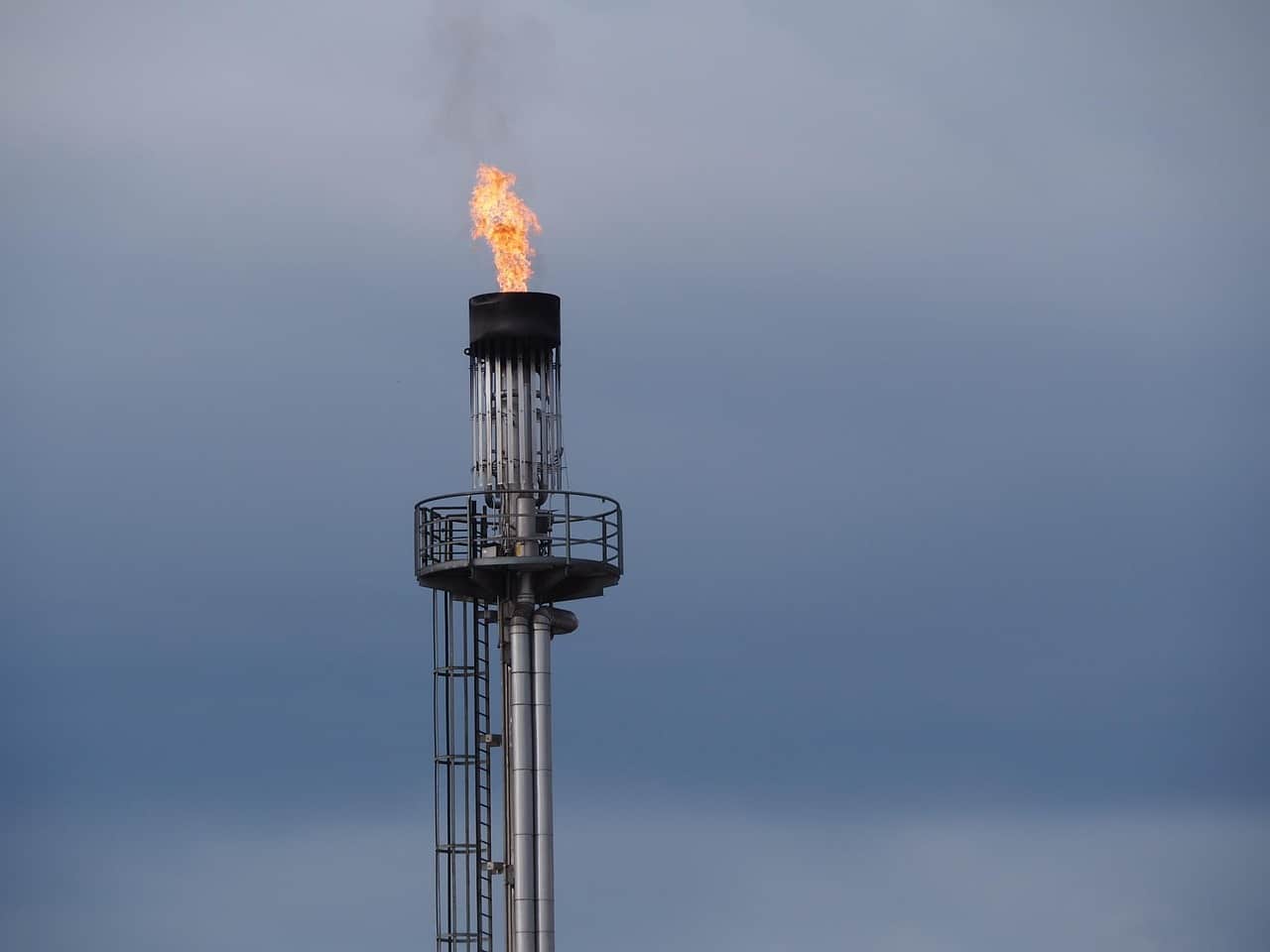
Ghana’s electricity sector relies heavily on thermal power generation, which depends on natural gas as a primary fuel source. This makes utility pricing sensitive to movements in global energy prices and exchange rates.
Water supply systems are similarly affected by operational costs, including energy inputs and infrastructure maintenance. Changes in macroeconomic conditions therefore feed directly into water tariffs through the same review framework.
The PURC said it will continue to monitor economic developments and adjust tariffs accordingly in subsequent quarters.