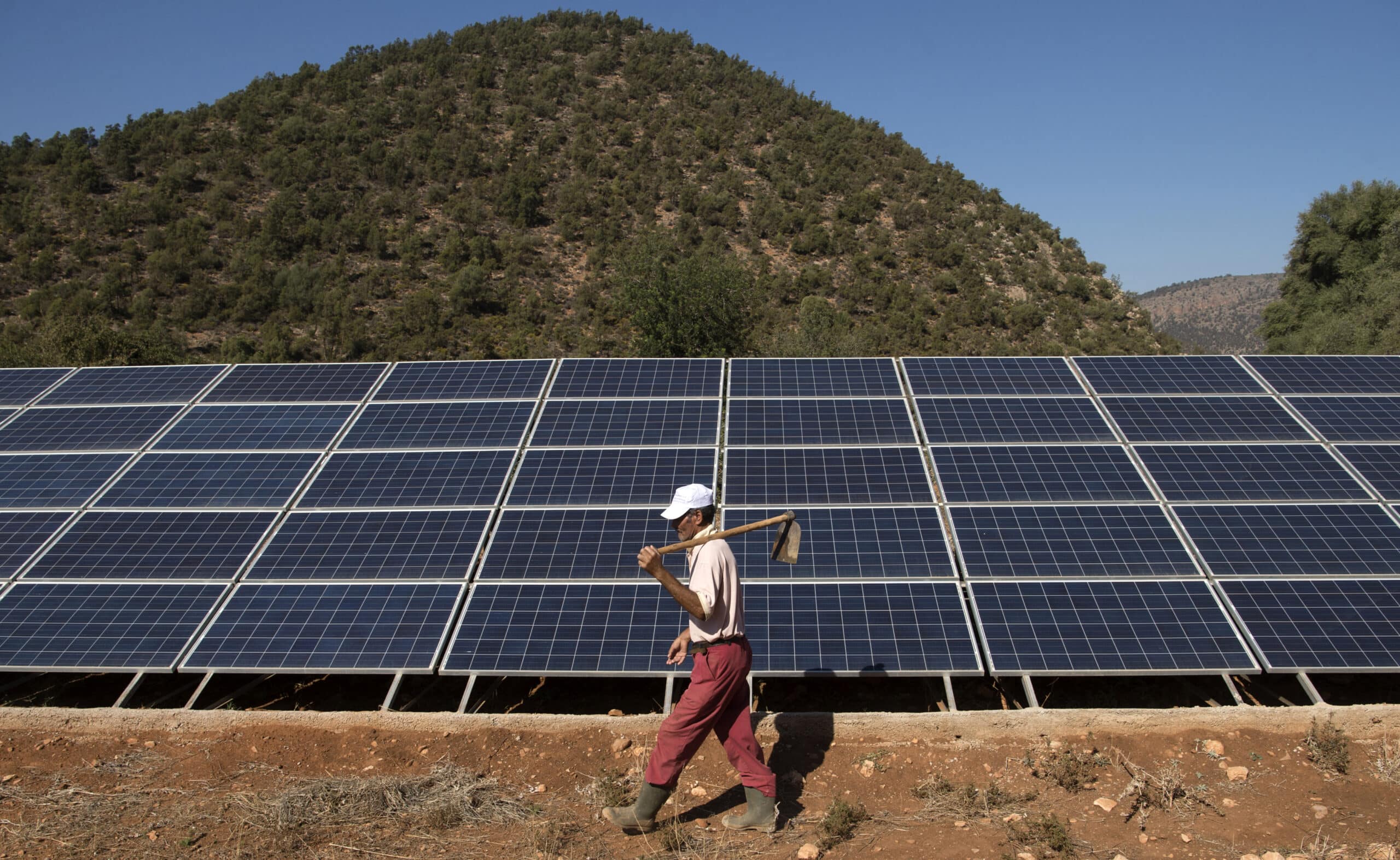

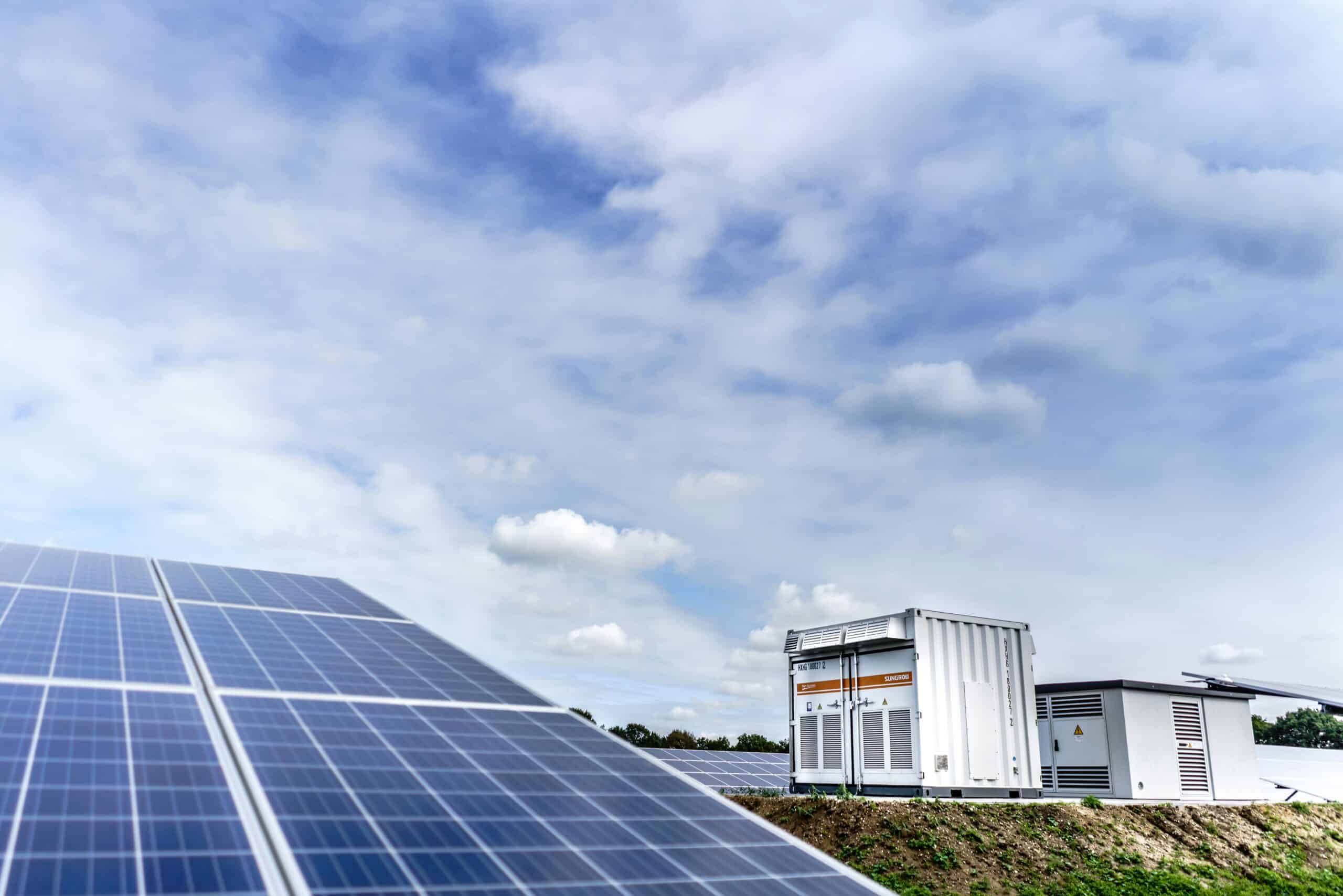


South Africa has commissioned the 148-megawatt (MW) Bolobedu Solar Plant in Limpopo province, adding new capacity to the national electricity grid, the government has announced.
The disclosure was contained in a statement issued by the Government Communication and Information System (GCIS) on Thursday, which confirmed the plant’s completion and outlined its expected contribution to the country’s electricity supply network.
According to the press statement, the plant is projected to generate approximately 300 gigawatt-hours (GWh) of electricity annually and supply power through the national grid.
“This milestone represents a significant contribution to South Africa’s ongoing efforts to diversify its energy mix, strengthen energy security, and accelerate the transition to a low-carbon economy,” the GCIS said.
“The plant, which spans approximately 347 hectares, is expected to generate around 300 gigawatt-hours (GWh) of clean energy annually, supplying power through the national grid,” the agency added.
The photovoltaic facility was developed by mining company Rio Tinto and completed in April 2026.
Private sector role in Bolobedu solar plant
The government acknowledged the role of private sector participation in delivering the project, noting that collaboration with companies remains critical to infrastructure development.
“The Bolobedu Solar Plant stands as a strong example of how strategic public-private collaboration can unlock investment, drive infrastructure development, and support inclusive economic growth,” the GCIS stated.
Rio Tinto, through its subsidiary operations, is expected to utilise part of the generated power while contributing to the national grid through established transmission arrangements.
This approach aligns with ongoing policy adjustments that allow large industrial users to secure power from independent producers while supporting overall grid supply.
According to the agency, the project adds to a growing number of renewable energy facilities being integrated into the grid as the country seeks to stabilise electricity supply.
The plant is designed to operate as a photovoltaic system, converting sunlight directly into electricity, which is then transmitted through existing infrastructure.
Economic impact of the plant
South Africa has faced persistent electricity supply constraints in recent years, driven by ageing infrastructure and capacity shortages, as renewable energy projects have increasingly been introduced to complement existing power sources.
“As South Africa continues to confront energy challenges, projects like the Bolobedu Solar Plant demonstrate the critical role of renewable energy in stabilising electricity supply, while advancing the country’s climate commitments,” the GCIS said.
The agency noted that government remains focused on creating an enabling environment for further investment in energy infrastructure, adding that the development also included programmes aimed at skills development and support for small businesses.
The Bolobedu Solar Plant is one of several projects contributing additional capacity as the country works to improve supply reliability and diversify its energy mix.