
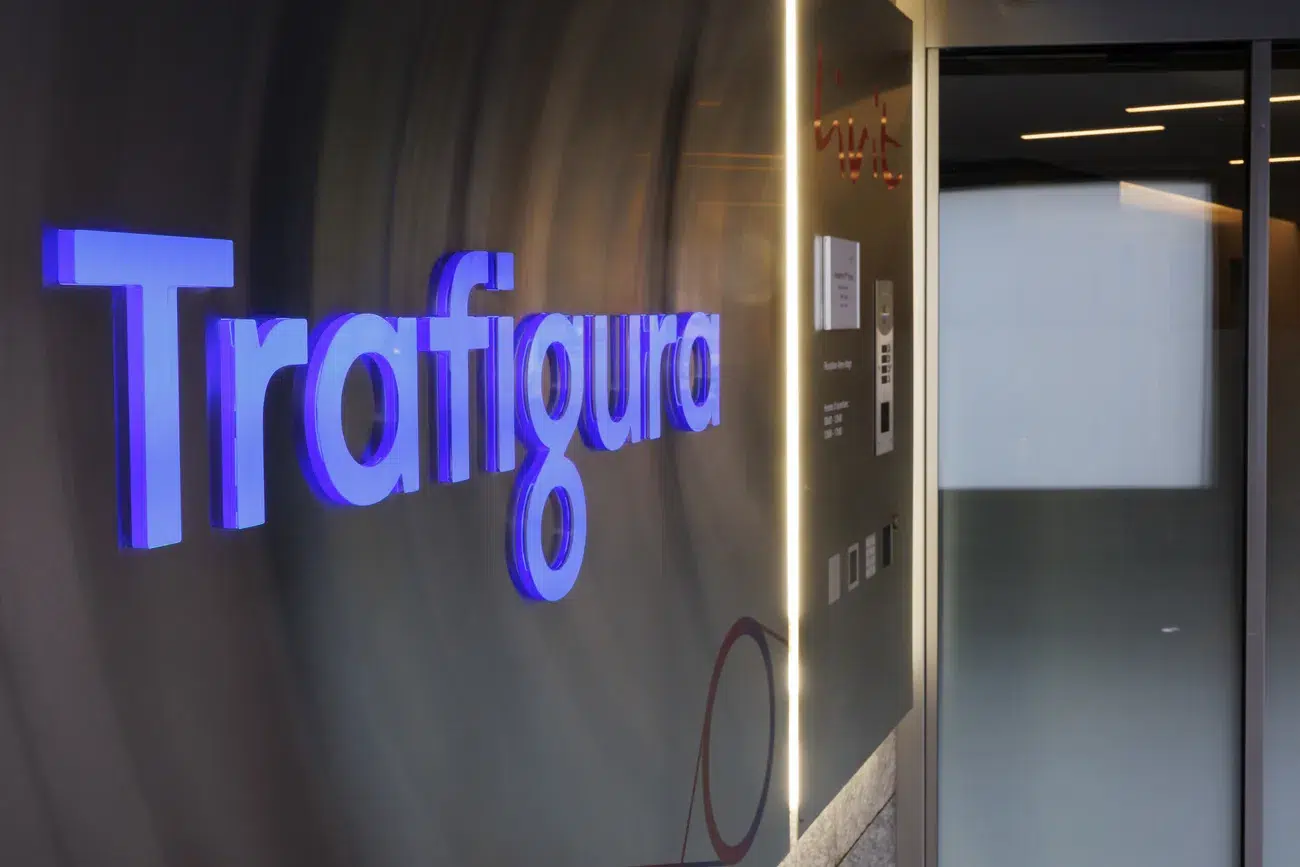


Global commodities trader Trafigura has signed a $1 billion oil-backed financing agreement with Gabon, providing the government with upfront cash in exchange for future crude deliveries over a seven-year period.
The deal, reported by Business Insider Africa on Thursday, underscores a growing trend among African resource-rich nations seeking alternative financing to support economic stability and development.
According to Gabon’s Ministry of Economy and Finance, the arrangement is designed to strengthen public finances and boost foreign exchange reserves amid favourable global oil prices.
The government added that the funds would support investment programmes and address pressing social needs.
Structure of the oil-backed financing
Under the agreement, Trafigura will provide prepayment financing while becoming the exclusive buyer of Gabon’s “profit oil”—the state’s share of production after operating oil companies have recovered their costs.
The ministry said that, unlike some oil-backed loans, the transaction does not involve pledging specific crude shipments as collateral. Instead, it relies on future deliveries over the life of the agreement.
The financing has a seven-year maturity and was advised by Algest Consulting.
Commenting on the development, Dave Gallagher, Global Head of Structured Finance at Trafigura, said the agreement reinforces the company’s enduring relationship with Gabon.
“We are pleased to have signed this agreement with the Republic of Gabon, continuing our long-standing trading relationship and contributing to the country’s development agenda,” Gallagher said.
Trafigura added that the crude backing the transaction will be sourced from a diversified pool of producing assets under various production-sharing contracts, ensuring steady supply and mitigating risk.
The company also disclosed that it has begun syndicating part of the exposure to international financial institutions, reflecting investor interest in structured commodity-backed financing deals.
Rising reliance on oil-backed financing in Africa
The agreement shows a broader financing pattern across Africa, where governments increasingly turn to commodity traders for immediate liquidity in exchange for future resource flows.
Such arrangements have gained traction during this period of elevated oil prices, offering faster access to funding than conventional debt markets.
As one of sub-Saharan Africa’s established oil producers, Gabon depends heavily on crude exports for government revenue and foreign exchange earnings.
The latest deal is expected to help the Central African nation manage fiscal pressures while sustaining investments in infrastructure and social programmes.