
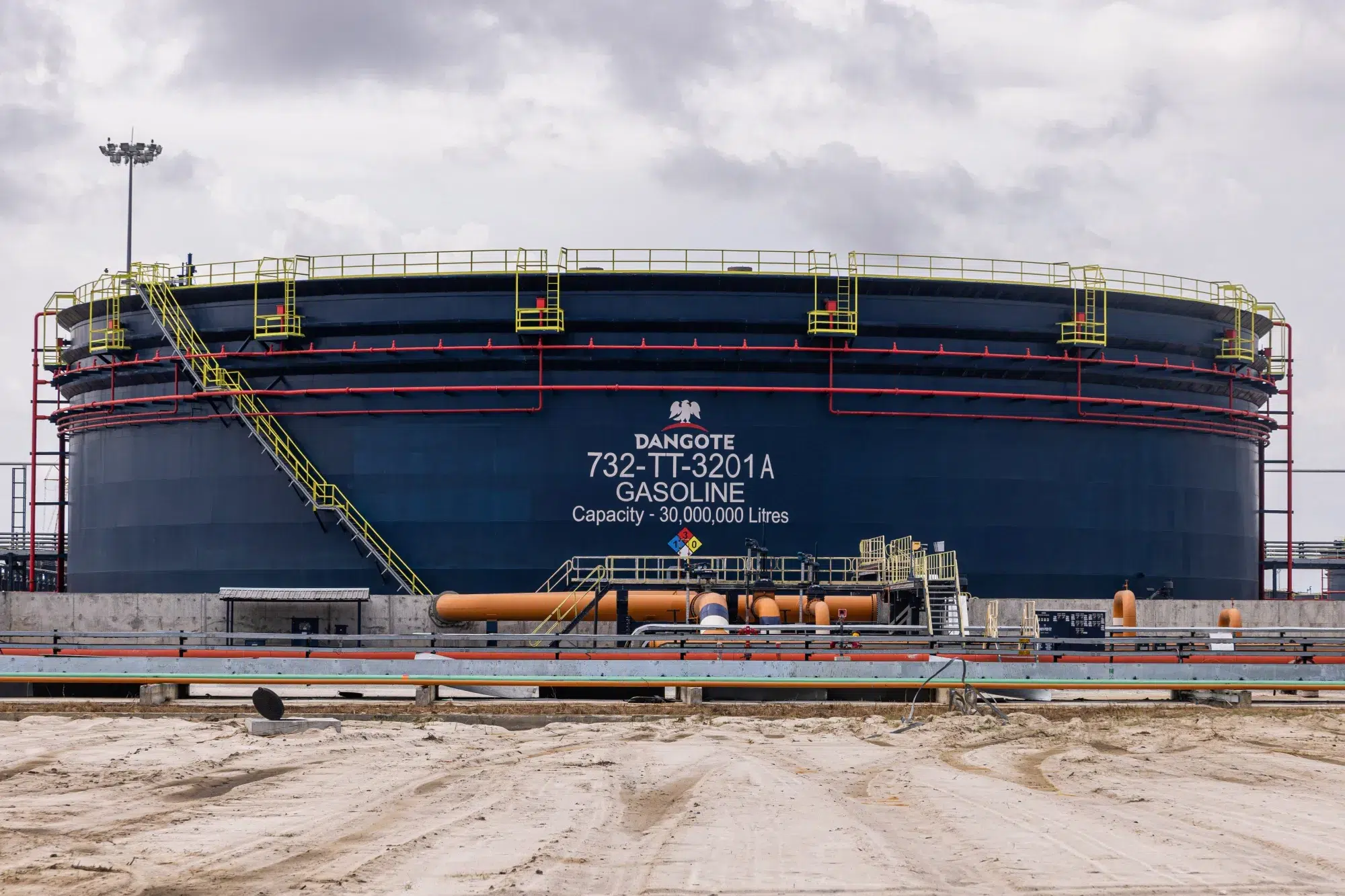


Earlier in March, a shipment of jet fuel departed from Lagos Nigeria to Milford Haven, United Kingdom. It was the first-ever such export from Nigeria to Europe. The commodity was transported from the mega Dangote refinery, located near the seaport in Lekki, the nation’s commercial capital.
United Kingdom and Europe in general have continued to grapple with increasing shortages of jet fuel in recent weeks amid the disruptions of supply due to the crisis in the Middle East.
Europe imports a signficant amount of its fuel from the war-affected region such as Saudi Arabia, UAE, and Kuwait. However, the supply has been heavily hampered due to the blockade by Iranian government at a critical chokepoint known as the Strait of Hormouz.
Reports show that some European airports may shutdown as their storage only last about six weeks or so.
The International Energy Agency (IEA) Executive Director Fatih Birol, for instance, says that the whole continent storage may have “maybe 6 weeks or so (of) jet fuel left,” predicting possible flight cancellations “soon” if supplies through the critical shipping lane remain blocked, as per report from the Associated Press (AP).
With shipments from the Middle East slowing and fewer cargoes visible in transit, European buyers are being forced to change their supply strategy. What started as a single shipment from Nigeria may now prove more substantial.
Should current conditions persist, the Dangote refinery could emerge as an alternative source for a region grappling with renewed energy constraints.
This development marks a broader change in global fuel trade flows. It also raises an important question. Could Europe begin to rely more on suppliers outside its traditional network, including Nigeria?
The Dangote shipment may be an early sign that a broader realignment is already underway.
Dangote’s entry into the European market
The Dangote refinery’s recent shipment of jet fuel to the United Kingdom indicates its increased presence in international refined products trade, coming at a time when there is a demand for alternative sources of supply for jet fuel by European customers.
The jet fuel, which arrived at Milford Haven, offered timely support to a market already under pressure.
That initial delivery served as a practical test of Nigeria’s capabilities to supply refined products to a highly regulated and competitive European market. For the Dangote refinery, this shipment is an indication of its logistics capability and product quality.
Industry experts say the importance of this shipment lies less in its volume and more in its timing. With traditional supply routes under strain, even a single cargo can influence trading patterns and open up new supply channels.
“The importance of this shipment is that it arrives at a moment when European buyers are actively searching for flexibility,” Ibrahim Adams, an oil market analyst, told Energy in Africa. “It shows that alternative supply routes are not just theoretical. They are already being tested in real market conditions.”
Adams added that once a supplier demonstrates reliability, buyers are more likely to return, particularly during periods of uncertainty. In this regard, the Dangote cargo could be an entry point for further commercial engagement with European nations.
What is driving Europe’s jet fuel shortage?
As already indicated, at the heart of the present supply strain is the Strait of Hormuz, which is one of the world’s most important energy corridors. Ongoing tensions linked to Iran have impacted the flow of shipments through the route, limiting the transportation of refined products from the Middle East to Europe.
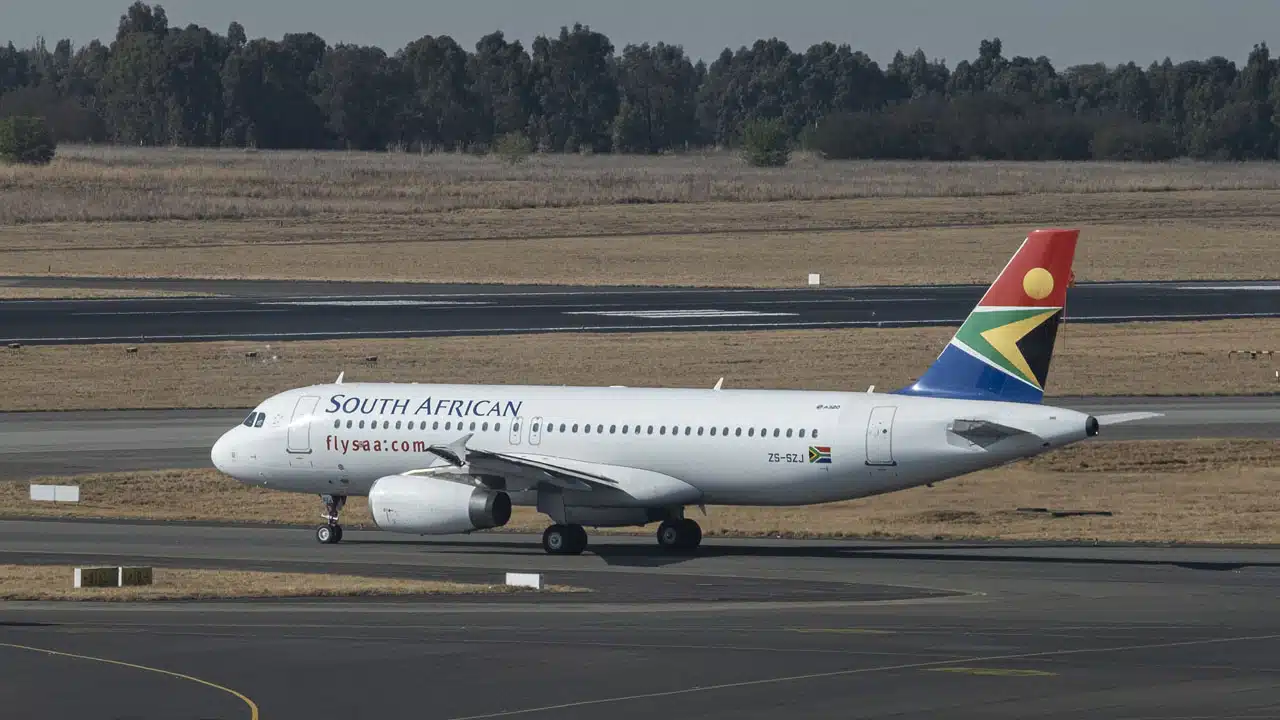
This effect is becoming more noticeable in Europe’s aviation sector. A number of airports are starting to experience shortage of jet fuel, causing worry amongst fuel suppliers and airlines about possible supply issues during high traffic times.
This disruption is particularly significant considering how dependent Europe, especially the United Kingdom, is on the Middle East for the import of jet fuel.
That dependence has grown since Europe lowered its intake of Russian fuel following the war with Ukraine. Closures and reduced output from several refining facilities in Europe have also weakened domestic production capacity, increasing reliance on external suppliers.
This results in a system that is vulnerable distruption. When flows from the Middle East slow, there are limited immediate alternatives available at short notice. That vulnerability is now becoming more visible across airports, airlines, and fuel distributors as the market adjusts in real time.
Why Europe may now looking elsewhere
This current shortage is not solely the result of short-term disruption but stems from much more deeper structural pressures within Europe’s energy industry.
Following the Russia-Ukraine conflict, European countries have abandoned the use of Russian fuels, leading to new supply routes that have not managed to match pre-existing quantities.
On the other hand, several European refineries have either reduced production or even closed down completely. It has led to increased dependence on imported fuel.
These challenges are now colliding with seasonal demand. As the summer travel season starts soon, airlines are increasing flight schedules, placing additional pressure on already limited fuel availability.
The situation has become more complex following disruptions near the Strait of Hormuz. The Gulf remains an important source of aircraft fuel, contributing about 50% of Europe’s imports. Disruption of any kind in the area can lead to supply shortages on the continent.
These challenges appear to be taking their toll. Many airlines have begun reducing the number of flights and increasing passenger fees. The industry has also warned of potential disruptions to travel schedules during peak periods if supply conditions worsen.
Prices reflect the growing pressure. Benchmark European jet fuel has now risen to around $1,838 per tonne, in contrast to the earlier price of about $831 before the conflict began. The increase demonstrates how much imbalance exists in the market and the need for other suppliers of fuel.
Taken together, these trends suggest that Europe faces more than a mere crisis. The continent lacks sufficient jet fuel, making diversification of supply not just necessary but increasingly urgent.
Understanding the strategic advantage of Dangote
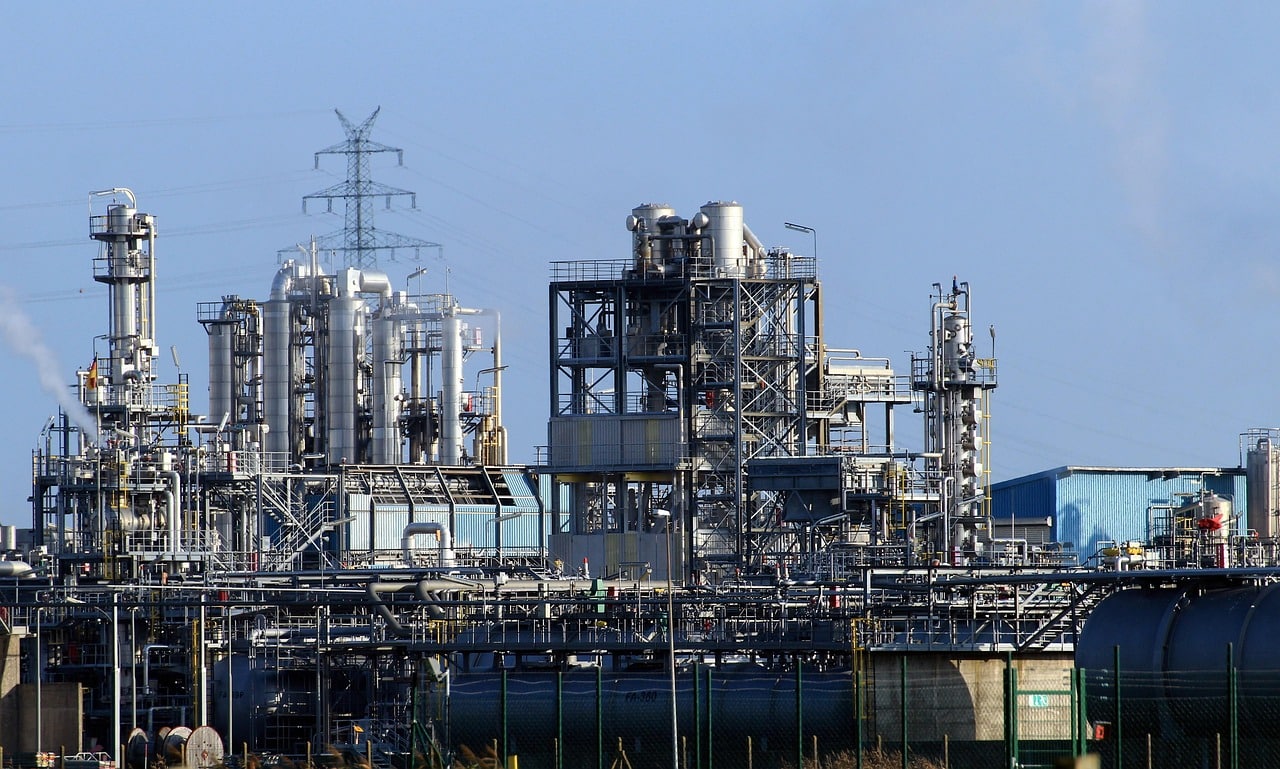
The Dangote refinery looks ready to fill the void. The refinery has a daily refining capacity of 650,000 barrels of crude oil, making it the largest one-train refinery in the world with the ability to produce substantial quantities of refined products like jet fuel.
More importantly, the refinery has been designed with exports in mind. The positioning of the plant at Nigeria’s Atlantic coast provides direct access to European shipping routes.
The geographical advantage can be considered strategically significant especially in situations where buyers seek reliable sources of supply. In a market where timing and logistics matter, proximity can translate into competitive strength.
“Dangote’s location gives it a clear logistical edge for Atlantic Basin markets,” Olarewaju Janet, an energy economist, told Energy in Africa. “If European buyers are looking to diversify away from the Middle East, Nigeria becomes a very natural alternative.”
Janet noted that even though price competitiveness remains relevant, supply security becomes more relevant in making purchasing decisions. In times of disruption, customers might be prepared to pay extra for reliability.
The other factor here is scale. While smaller refineries are limited in their ability to provide several shipments at once, Dangote Refinery has enough capacity to do so if there is demand.
However, Janet notes that entry into the European market is not devoid of difficulties. Product specifications, regulations, and business relationships all play a role.
Could more European buyers turn to Dangote?
What remains uncertain is whether the UK shipment will be a one-off transaction or the start of a broader change in European fuel sourcing.
Issues with the fuel supply go beyond the United Kingdom. Other countries in Europe including Germany, France, Italy, Spain, and the Netherlands have been experiencing the increasing shortages of fuel.
Due to the scarcity of cargoes from the traditional sources, buyers have started to seek other options outside their usual suppliers.
Traders are already looking for available cargoes, and suppliers such as Dangote can make good use of this opportunity, especially if they manage to match up to the pricing and delivery expectations.
Over time, the dynamics could evolve further. If the refinery manages to supply stable volumes meeting European standards, it might start playing a regular role in procurement.
According to Janet, a number of things will determine whether Dangote can gain more space in Europe. This includes logistics, pricing and regulatory compliance.
“There are also questions around shipping capacity and contract structures,” Janet said. “European buyers will compare Dangote not just with the Middle East, but also with the United States and Asia. It is a highly competitive field.”
Even so, the current disruption is lowering the barrier for new entrants. Due to existing distribution networks under strain, European buyers are showing greater flexibility regarding procurement.
For Dangote, this creates a narrow but important window. If it can build a track record during this period of uncertainty, the refinery may be able to convert short-term sales into longer-term relationships in the European market.
What this means for Africa’s energy industry
Looking at the bigger picture, the Dangote shipment signals a broader shift in Africa’s energy landscape. For years, many African nations have been relying on refined products from other countries despite producing crude oil.
The emergence of large-scale refining capacity within the continent has the potential to change that dynamic. We could see a shift where African nations no longer have to import fuel, and instead use their own crude oil for production.
Dangote’s entry into the European market is a clear example of this transition. It proves that African refineries are capable of operating on an international scale, beyond their local market needs.
In case disruptions in global supply chains continue, this trend could accelerate. Buyers in Europe will be ready to establish ties with new suppliers, including African refineries, as a strategy to mitigate risks.
For Nigeria, this represents an opportunity. The country has the potential to become a big player in refined products. However, the country will have to remain competitive in order to stay ahead.
The Dangote refinery’s shipment to the United Kingdom serves as a clear example of what may be possible. It shows how geopolitical tensions can influence the flow of trade and create new opportunities for emerging players.
Should disruptions persist and demands remain high, Europe’s supply map may continue to evolve. And in such circumstances, Nigeria could find itself playing a more prominent role than ever before.