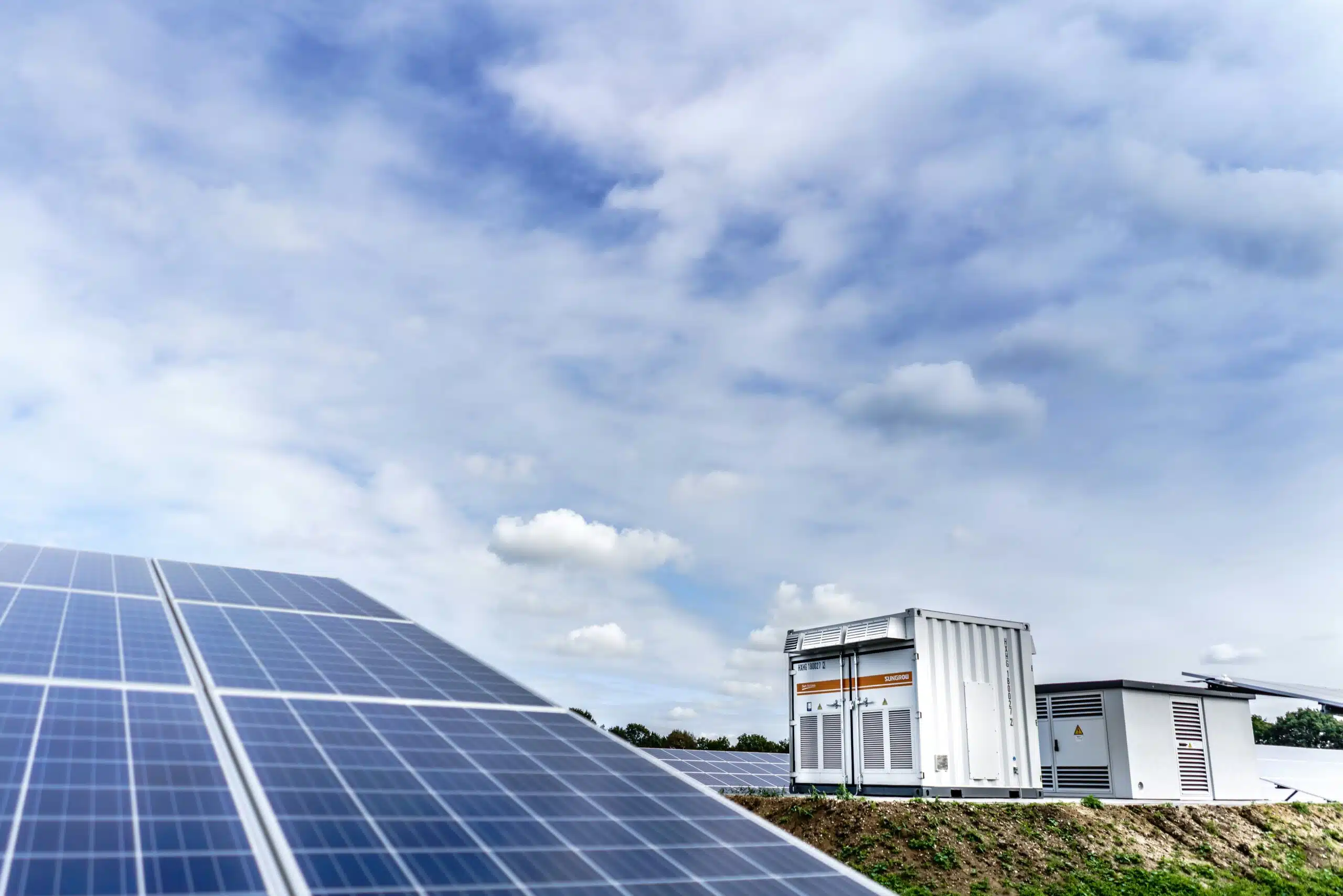

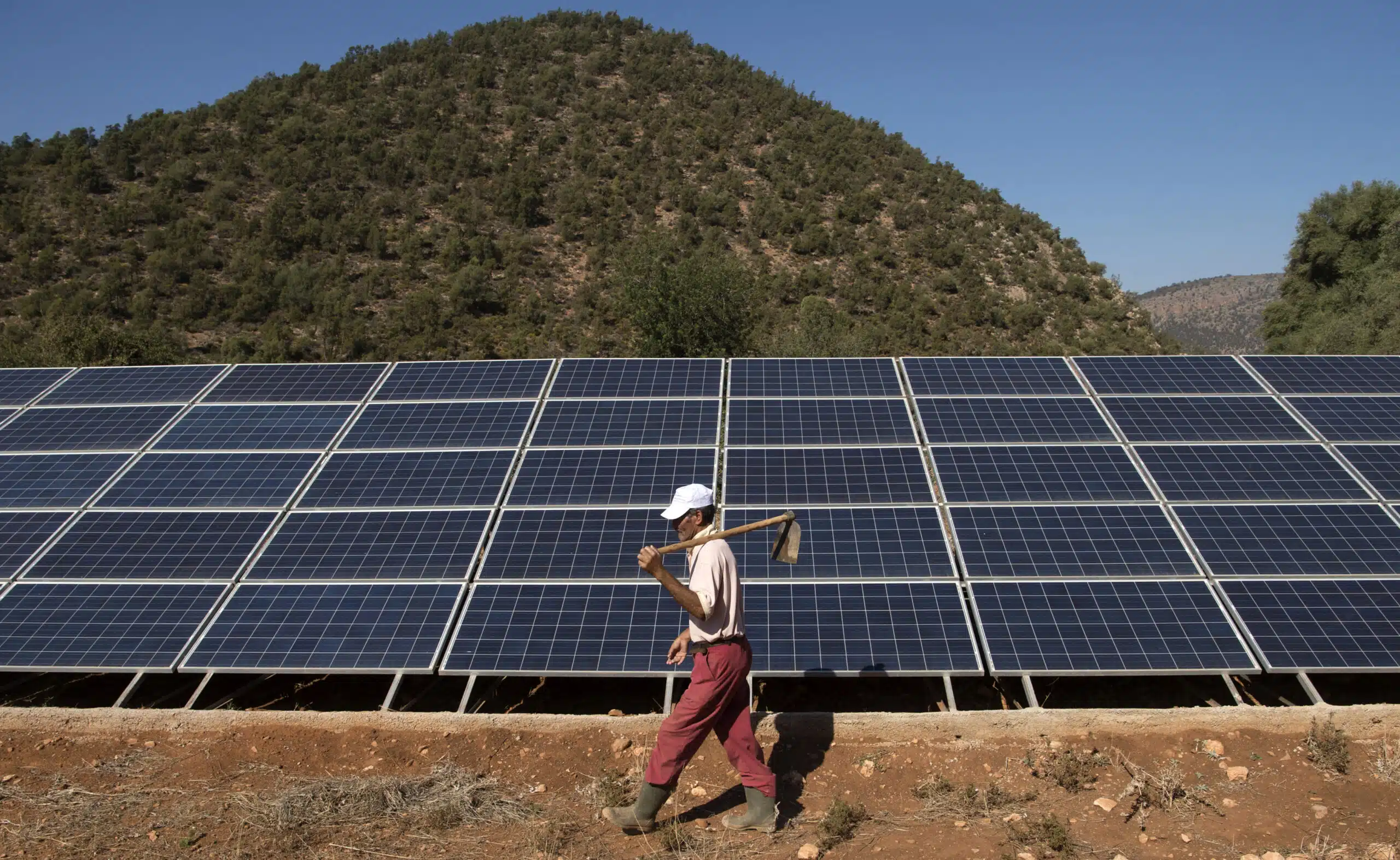


Power project developer Globeleq plans to build a 250-megawatt solar-battery plant in Zambia for $315 million, with completion scheduled for 2029.
The disclosure was contained in a company statement, which noted that the project located about 25 kilometres southeast of Lusaka will combine solar generation with a 150-megawatt battery system capable of delivering four hours of storage.
Globeleq stated that the plant is expected to generate enough electricity to supply approximately 150,000 households once operational.
The inclusion of battery storage is designed to allow electricity generated during the day to be stored and used during peak demand periods or at night.
The company said the hybrid structure represents a broader shift in power development, where renewable energy projects are increasingly paired with storage systems to improve supply consistency.
Globeleq’s footprint in Zambia’s power sector
The Leopard Hill project adds to Globeleq’s portfolio in Zambia. The company currently holds a 51% stake in Lunsemfwa Hydro Power Company, which supplies electricity into the regional grid.
It also owns the 56-megawatt Kafue Solar plant, one of the country’s earlier utility-scale solar projects developed under Zambia’s renewable energy programme.
Meanwhile, the company said its presence in Zambia provides access to the Southern African Power Pool, which connects electricity grids across several countries in the region.
This allows power generated within Zambia to be traded across borders when required.
Globeleq noted that the company continues to assess additional renewable energy opportunities within the country as part of its long-term investment strategy.
Power supply challenges in Zambia
Zambia’s electricity supply is largely dependent on hydropower, which accounts for more than 80% of its generation capacity. Fluctuating water levels linked to drought conditions have, in recent years, affected output from major dams.
The government has taken steps to diversify the energy mix by encouraging private sector investment in solar and other renewable sources.
“The project combines renewable generation with storage to support grid stability and reliability,” Globeleq said.
The company noted that the Leopard Hill project is expected to provide an alternative source of power not dependent on water levels, with battery storage intended to help manage supply during periods of high demand or reduced generation.
What you should know
Zambia has been expanding its renewable energy capacity through partnerships with private developers, particularly in solar power.
Hydropower remains the dominant source of electricity, but recent supply challenges have increased focus on alternative generation sources.
Hybrid systems that combine solar power with battery storage store excess energy for use during periods of high demand or when generation is reduced, according to Globeleq.
Globeleq operates multiple power assets across Africa. The company is targeting financial close by December, after which construction is expected to last about 24 months.